
Contents
- 🍣 What is Sushi 101?
- 📍 Who is Sushi 101 For?
- 📜 A Brief History of Raw Fish
- 🍣 Types of Sushi You Need to Know
- 🔪 Essential Sushi Etiquette
- 🥢 Where to Find the Best Sushi
- 💰 Pricing & Value
- ⭐ What People Say (Vibe Score: 85/100)
- 💡 Pro Tips for Sushi Newbies
- 🚀 Getting Started with Sushi
- Frequently Asked Questions
- Related Topics
Overview
Sushi 101 demystifies Japan's most celebrated culinary export, breaking down the essential components and techniques that define this art form. We explore the critical role of perfectly seasoned rice (shari), the nuanced selection and preparation of fish (neta), and the fundamental rolling methods for maki. Beyond the basics, we touch upon the etiquette and cultural significance that elevate sushi from mere food to a profound experience. Whether you're a curious novice or looking to refine your appreciation, this guide provides the foundational knowledge to navigate sushi menus with confidence and understand the dedication behind each meticulously crafted piece.
🍣 What is Sushi 101?
Sushi 101 isn't a single restaurant or class, but rather the foundational knowledge required to navigate the vast and delicious world of Japanese cuisine. It encompasses understanding the core ingredients – primarily vinegared rice (shari) and various toppings (neta), most famously raw fish – and the techniques that bring them together. Think of it as your passport to appreciating everything from the simplest nigiri to the most elaborate maki rolls. This knowledge demystifies a culinary art form that has captivated palates globally, offering a gateway to a richer dining experience.
📍 Who is Sushi 101 For?
This guide is for anyone curious about sushi, from the absolute beginner who’s only ever tried a California roll to the seasoned diner looking to deepen their appreciation. If you’ve ever felt intimidated by a sushi menu, wondered about the difference between sashimi and sushi, or simply want to order with more confidence, this is for you. It’s also for the adventurous eater eager to explore the nuanced flavors and textures of expertly prepared raw fish and other seafood delicacies.
📜 A Brief History of Raw Fish
The history of sushi is far longer and more complex than many realize. Its origins trace back to Southeast Asia, where fermented fish was preserved in rice as a method of refrigeration, a practice known as nare-zushi. This evolved over centuries, eventually reaching Japan around the 8th century. Edo-mae sushi, the style most recognizable today, emerged in Tokyo (then Edo) in the early 19th century, pioneered by Hanaya Yohei, who is credited with popularizing the quick, hand-pressed nigiri style using fresh fish from Tokyo Bay. This marked a significant shift from the fermented, preserved dishes of the past to the fresh, fast-food sensation it became. The global spread of sushi, particularly post-WWII, has seen it adapt and evolve, creating a rich cultural exchange.
🍣 Types of Sushi You Need to Know
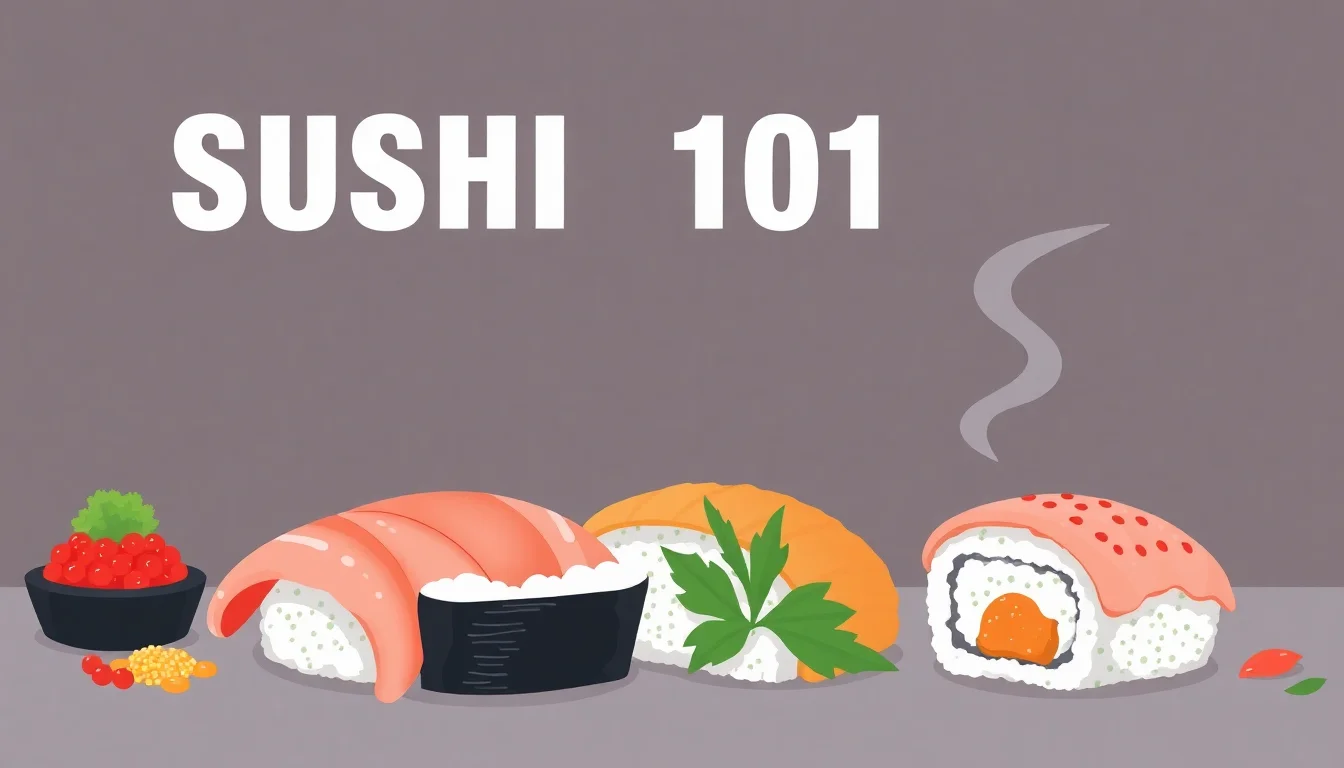
Understanding the basic types of sushi is crucial. Nigiri consists of a hand-pressed mound of rice topped with a slice of fish or other ingredient. Maki (rolls) feature rice and fillings rolled in seaweed (nori) and sliced. Uramaki are inside-out rolls where the rice is on the outside. Temaki are hand rolls, cone-shaped and meant to be eaten immediately. Sashimi, while often served alongside sushi, is simply thinly sliced raw fish or seafood without rice, focusing purely on the quality of the ingredient itself. Each form offers a distinct textural and flavor experience, showcasing the versatility of Japanese ingredients.
🔪 Essential Sushi Etiquette
Navigating a sushi restaurant involves more than just pointing at the menu. Traditionally, sushi is eaten with hands or chopsticks. For nigiri, it’s best to pick it up with your fingers, dip the fish side (not the rice) lightly into soy sauce, and eat it in one bite. Wasabi is typically already placed between the fish and rice by the chef, so avoid adding more unless you’re sure. Ginger (gari) is a palate cleanser, eaten between different types of sushi, not as a topping. Respecting these customs enhances the dining experience and shows appreciation for the art of sushi.
🥢 Where to Find the Best Sushi
The best sushi experiences are often found in dedicated sushi bars or restaurants with skilled chefs (itamae). Look for places that emphasize fresh, high-quality ingredients and have a good reputation for their fish sourcing. While high-end establishments offer exquisite omakase (chef's choice) menus, excellent sushi can also be found in more casual settings, including some Japanese markets and specialized grocery stores. Online reviews and local recommendations are invaluable for discovering hidden gems. The key is consistency and a commitment to quality, regardless of the price point.
💰 Pricing & Value
The cost of sushi varies dramatically, from affordable rolls at casual eateries to premium omakase experiences that can run into hundreds of dollars per person. A basic nigiri or maki piece might range from $2-$8, while a full sushi platter could be $30-$70. Omakase menus, which showcase the chef's finest selections, typically start at $100 and can go much higher. Consider the quality of the fish, the skill of the chef, and the overall dining atmosphere when evaluating value. Sometimes, paying a bit more for superior ingredients and preparation is well worth the culinary investment.
⭐ What People Say (Vibe Score: 85/100)
Sushi garners a high Vibe Score (85/100) for its global appeal and status as a culinary art form. Diners consistently praise the freshness of ingredients and the skill of the chefs. Criticisms sometimes arise regarding authenticity in Westernized versions or the high cost of premium experiences. However, the consensus is that well-executed sushi offers an unparalleled sensory delight. The debate around 'authentic' vs. 'fusion' sushi continues, reflecting its dynamic evolution. Many appreciate the ritual and mindfulness involved in preparing and consuming sushi, contributing to its serene yet exciting cultural energy.
💡 Pro Tips for Sushi Newbies
For newcomers, start with simpler, cooked options like shrimp tempura rolls or California rolls to ease into the experience. Don't be afraid to ask your server for recommendations. Try nigiri with familiar fish like salmon or tuna first. If you’re adventurous, sample sashimi to truly taste the fish. Always taste the sushi before adding soy sauce or wasabi, as the chef has already seasoned it. Remember that ginger is a palate cleanser, not a topping. Exploring different types of fish and rolls will help you discover your personal favorites and expand your culinary horizons.
🚀 Getting Started with Sushi
To begin your sushi journey, visit a reputable local sushi restaurant and order a few basic items like salmon nigiri, tuna maki, and a California roll. If you’re feeling bold, try an omakase tasting menu at a well-regarded establishment. Alternatively, explore online resources and sushi cookbooks to learn more about the ingredients and techniques. Many culinary schools and sushi restaurants also offer introductory classes. The most important step is simply to be open-minded and ready to savor the diverse flavors and textures that sushi has to offer.
Key Facts
- Year
- 2023
- Origin
- Vibepedia.wiki
- Category
- Culinary Arts
- Type
- Educational Resource
Frequently Asked Questions
Is all sushi made with raw fish?
No, not all sushi contains raw fish. While raw fish is a hallmark of many popular sushi types like nigiri and sashimi, there are numerous sushi dishes that use cooked seafood (like shrimp or eel), vegetables, or even egg. For instance, a California roll traditionally uses imitation crab (surimi), which is cooked. Many vegetarian sushi options also exist, featuring ingredients like avocado, cucumber, and pickled radish.
What's the difference between sushi and sashimi?
The key difference lies in the rice. Sushi refers to any dish made with vinegared rice (shari), which can be combined with various toppings or fillings. Sashimi, on the other hand, is simply thinly sliced raw fish or seafood served without rice. While often found together on menus, sashimi is a distinct preparation that focuses solely on the quality and flavor of the seafood itself.
How do I properly eat sushi?
For nigiri, it's customary to pick it up with your fingers, dip the fish side lightly into soy sauce, and eat it in one bite. For maki rolls, you can use chopsticks or your fingers. It's generally advised to taste the sushi before adding extra soy sauce or wasabi, as the chef has likely already seasoned it appropriately. Eat the pickled ginger (gari) between different pieces of sushi to cleanse your palate.
Is it safe to eat raw fish?
When sourced and prepared correctly by reputable establishments, eating raw fish is generally safe. Sushi-grade fish is specifically handled to minimize risks. However, certain individuals, such as pregnant women, young children, the elderly, and those with compromised immune systems, are advised to avoid raw or undercooked seafood due to potential health risks like parasites or bacteria. Always choose restaurants with high standards of hygiene and freshness.
What is 'omakase'?
Omakase is a Japanese phrase meaning 'I leave it up to you.' In a sushi context, it signifies an omakase meal where you entrust the chef to select and prepare a series of dishes for you. This often involves the freshest seasonal ingredients and the chef's most creative preparations. It's typically a multi-course experience that can be quite expensive but offers a unique and personalized culinary journey.
What are the most common types of fish used in sushi?
Some of the most common fish found in sushi include tuna (maguro), salmon (sake), yellowtail (hamachi), mackerel (saba), and sea bream (tai). Cooked options often feature shrimp (ebi), eel (unagi), and crab (kani), or imitation crab. The availability and popularity of certain fish can vary by region and season.