
Contents
- 🎵 Origins & History
- ⚙️ How It Works
- 📊 Key Facts & Numbers
- 👥 Key People & Organizations
- 🌍 Cultural Impact & Influence
- ⚡ Current State & Latest Developments
- 🤔 Controversies & Debates
- 🔮 Future Outlook & Predictions
- 💡 Practical Applications
- 📚 Related Topics & Deeper Reading
- Frequently Asked Questions
- References
- Related Topics
Overview
The story of tea production begins in the misty mountains of Southwest China, with evidence suggesting cultivation and consumption dating back over 4,000 years. Early records, like those attributed to Chinese physician Hua Tuo around the 3rd century AD, point to its medicinal use. The Tang Dynasty (618-907 AD) saw tea transition from a medicinal tonic to a widespread social beverage, with Lu Yu's seminal work, The Classic of Tea, codifying its cultivation and preparation. By the 17th century, European traders, particularly the British East India Company, introduced tea to the West, sparking immense demand and leading to the establishment of vast tea plantations in British colonies like India and Ceylon. This colonial expansion dramatically reshaped global tea production, moving it beyond its East Asian cradle.
⚙️ How It Works
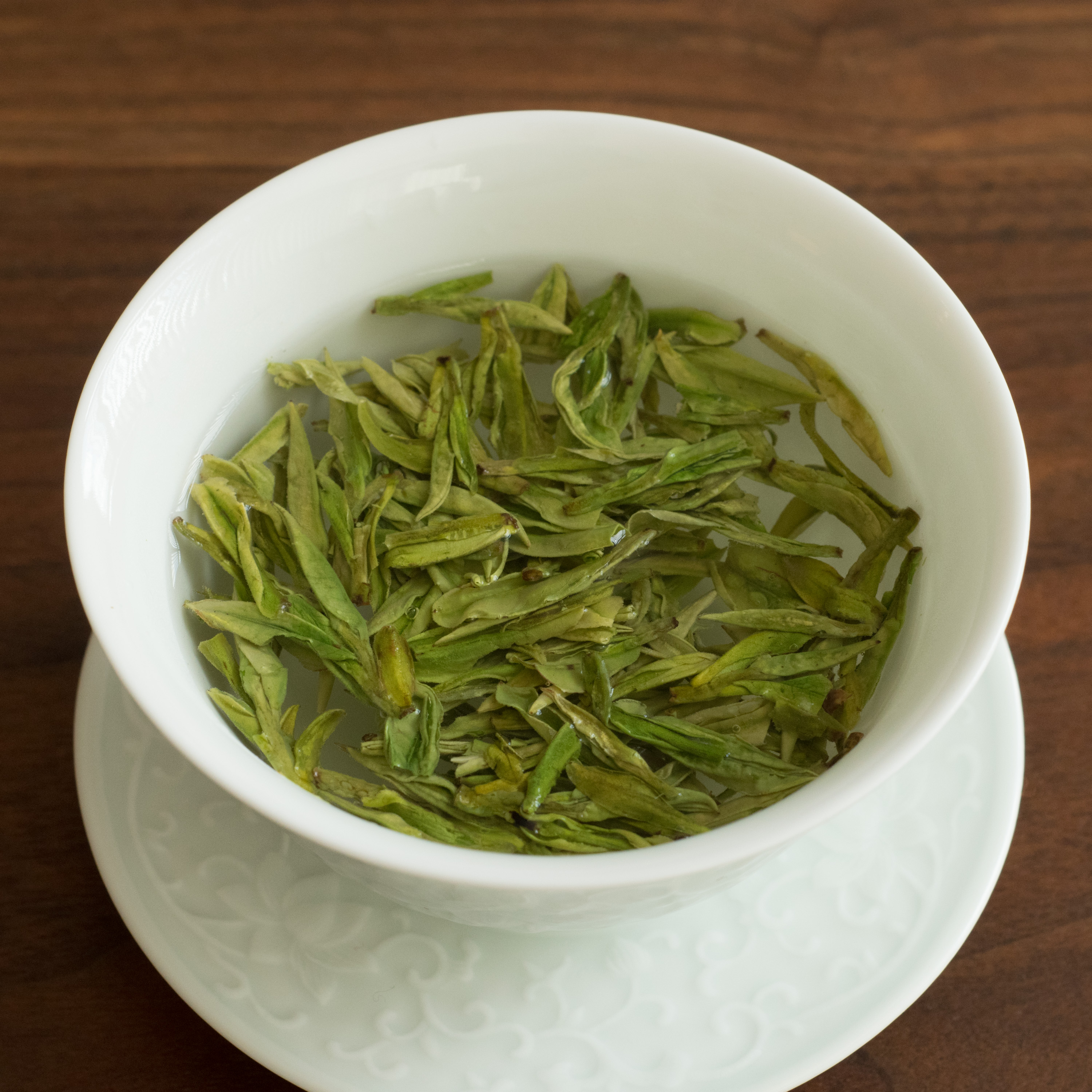
At its core, tea production hinges on manipulating the oxidation process of the Camellia sinensis leaf. The journey begins with plucking, often by hand, selecting young leaves and buds. These are then withered, reducing moisture content to make them pliable. Next, the leaves are rolled or shaped, breaking cell walls to release enzymes that initiate oxidation. The degree of oxidation defines the tea type: green teas are heated immediately to halt oxidation; oolong teas undergo partial oxidation; black teas are fully oxidized; and pu-erh teas are fermented. Finally, firing (drying) halts enzymatic activity and reduces moisture to preserve the tea, locking in its unique characteristics. Each step, from the specific cultivar of Camellia sinensis to the precise temperature and duration of firing, profoundly impacts the final brew.
📊 Key Facts & Numbers
The global tea market is a titan, valued at approximately $60 billion in 2023, with projections to reach over $80 billion by 2028. China remains the world's largest producer, accounting for roughly 40% of global output, followed by India, Kenya, and Sri Lanka. Globally, over 6 million metric tons of tea are produced annually. Black tea constitutes the largest share of consumption, making up about 75% of the market, with green tea a distant second. The average person consumes around 1.3 kilograms (2.8 pounds) of tea per year. The United Kingdom leads per capita consumption, with an average of 1.9 kilograms per person annually, demonstrating the deep-rooted cultural significance of tea in Western societies.
👥 Key People & Organizations
Key figures in tea production span centuries and continents. Lu Yu, the 8th-century Chinese scholar, is revered as the 'Sage of Tea' for his definitive treatise. During the colonial era, figures like Robert Fortune, a Scottish botanist, played a controversial role in smuggling tea plants and seeds from China to India, significantly boosting British colonial tea production. In modern times, pioneers like Sir Thomas Lipton built global tea empires, transforming tea from an exotic luxury into an everyday commodity. Organizations such as the International Tea Committee and national bodies like the Tea Board of India play crucial roles in regulating, promoting, and researching tea production and trade.
🌍 Cultural Impact & Influence
Tea production is inextricably linked to global culture, influencing everything from daily rituals to international trade. In China, the Gongfu Cha ceremony elevates tea preparation to an art form. In Britain, afternoon tea is a cherished tradition, a symbol of civility and social gathering. Japanese tea ceremonies, or Chanoyu, embody Zen Buddhist principles of harmony, respect, purity, and tranquility. The spread of tea cultivation, particularly in colonial India, also led to the development of distinct regional tea cultures and cuisines. Beyond social practices, tea has inspired countless works of art, literature, and film, reflecting its pervasive presence in human life.
⚡ Current State & Latest Developments
The contemporary tea production landscape is marked by innovation and adaptation. While traditional methods persist, there's a growing emphasis on sustainable farming practices, driven by consumer demand for ethically sourced products. Mechanization is increasing in some regions to improve efficiency, though hand-plucking remains crucial for high-quality teas. The rise of specialty teas, single-origin estates, and artisanal processing methods is creating new market segments. Furthermore, advancements in agricultural technology, including drone monitoring and precision irrigation, are being explored to optimize yields and quality. The COVID-19 pandemic also accelerated a shift towards e-commerce and direct-to-consumer sales models for many tea producers.
🤔 Controversies & Debates
Significant controversies surround tea production, primarily concerning labor practices and environmental sustainability. The use of pesticides and herbicides in large-scale monoculture plantations raises environmental concerns, impacting biodiversity and soil health. Fair labor practices are also a persistent issue, with reports of low wages, long working hours, and inadequate living conditions for tea pickers in some major producing regions, particularly in South Asia. The historical legacy of colonial exploitation continues to cast a shadow, with ongoing debates about land ownership and equitable benefit-sharing. Furthermore, the authenticity and sourcing of certain 'artisanal' or 'single-estate' teas are sometimes questioned, leading to debates about transparency and certification.
🔮 Future Outlook & Predictions
The future of tea production is likely to be shaped by climate change, technological integration, and evolving consumer preferences. Rising global temperatures and altered rainfall patterns pose significant threats to traditional tea-growing regions, potentially shifting viable cultivation zones northward or to higher altitudes. This necessitates research into climate-resilient tea cultivars and adaptive farming techniques. Expect continued growth in the specialty tea market, with consumers seeking unique flavor profiles and transparent sourcing. Automation and AI may play a larger role in monitoring crop health and optimizing processing. Moreover, the demand for functional teas, enriched with specific health benefits, is projected to rise, driving innovation in cultivation and blending.
💡 Practical Applications
Tea production's primary application is, of course, the creation of beverages for consumption. Beyond this, tea leaves, particularly green tea, are rich in antioxidants and polyphenols, leading to their use in the cosmetic industry for skincare products and in the health supplement market. Tea extracts are also being explored for their potential pharmaceutical applications, including anti-cancer and anti-inflammatory properties. Furthermore, the byproducts of tea processing, such as tea seed meal, are utilized as natural pesticides and fertilizers in agriculture, contributing to sustainable farming practices. The aesthetic qualities of tea, from the visual appeal of tea leaves to the ritual of preparation, also find application in the realm of aesthetics and mindfulness practices.
Key Facts
- Year
- c. 2000 BC - Present
- Origin
- Southwest China, Northeast India, Northern Myanmar
- Category
- culture
- Type
- concept
Frequently Asked Questions
What are the main steps in tea production?
The primary steps involve plucking young leaves from the Camellia sinensis plant, followed by withering to reduce moisture. Then, leaves are rolled or shaped to break cell walls and initiate oxidation. The extent of oxidation defines the tea type: green teas are unoxidized, black teas are fully oxidized, and oolongs are partially oxidized. Finally, firing (drying) halts oxidation and preserves the tea. Fermented teas like pu-erh undergo a microbial aging process.
How do different tea types get their unique flavors?
The flavor profile of a tea is determined by several factors: the specific cultivar of Camellia sinensis, the terroir (soil, climate, altitude), the plucking standard (e.g., bud vs. mature leaf), and crucially, the processing methods, especially the level of oxidation. For instance, the grassy, vegetal notes of green tea come from halting oxidation early, while the malty, robust flavors of black tea result from full oxidation. Aromatic compounds develop and transform at each stage of processing.
What is the economic significance of tea production globally?
Tea production is a massive global industry, valued at over $60 billion annually, with significant growth projected. It provides livelihoods for millions of people, from smallholder farmers to large plantation workers and distributors. Major producing countries like China, India, and Kenya rely heavily on tea exports for their economies. The industry supports a complex supply chain involving cultivation, processing, packaging, marketing, and retail, making it a vital sector in many developing nations.
What are the environmental challenges in tea production?
Large-scale tea plantations can face significant environmental challenges. Monoculture farming can lead to soil degradation and reduced biodiversity. The extensive use of pesticides and herbicides can contaminate soil and water sources, harming local ecosystems and potentially human health. Water usage for irrigation and processing can also be substantial. Climate change poses further threats through altered rainfall patterns and increased temperatures, impacting yields and quality. Sustainable practices, such as organic farming and water conservation, are increasingly important.
How has colonialism impacted tea production?
Colonial powers, particularly the British, played a pivotal role in transforming tea production into a global industry. They established vast plantations in colonies like India, Sri Lanka (then Ceylon), and Kenya, often displacing indigenous populations and exploiting local labor. The British East India Company and later private companies introduced systematic cultivation and processing methods, often based on smuggled Chinese techniques. This era cemented tea's place in Western markets but also created a legacy of economic dependency and social inequality in many producing regions.
What are the ethical concerns regarding tea pickers?
Ethical concerns surrounding tea pickers are significant, particularly in major producing countries. Many workers face low wages, long hours, and precarious living conditions, often living in company-provided housing with limited amenities. Issues of child labor, gender inequality, and lack of unionization are also reported. While some companies and certifications (like Fair Trade) aim to improve conditions, systemic issues persist, prompting ongoing scrutiny and calls for greater transparency and accountability in the supply chain.
What is the future outlook for tea production?
The future of tea production is complex, influenced by climate change, technological advancements, and shifting consumer demands. Climate change necessitates the development of more resilient tea varieties and adaptive farming methods. Expect continued growth in specialty and functional teas, driven by consumer interest in unique flavors and health benefits. Automation and data analytics may optimize efficiency in cultivation and processing. Furthermore, a stronger emphasis on sustainability, ethical sourcing, and traceability will likely shape market trends and consumer choices.