
Contents
Overview
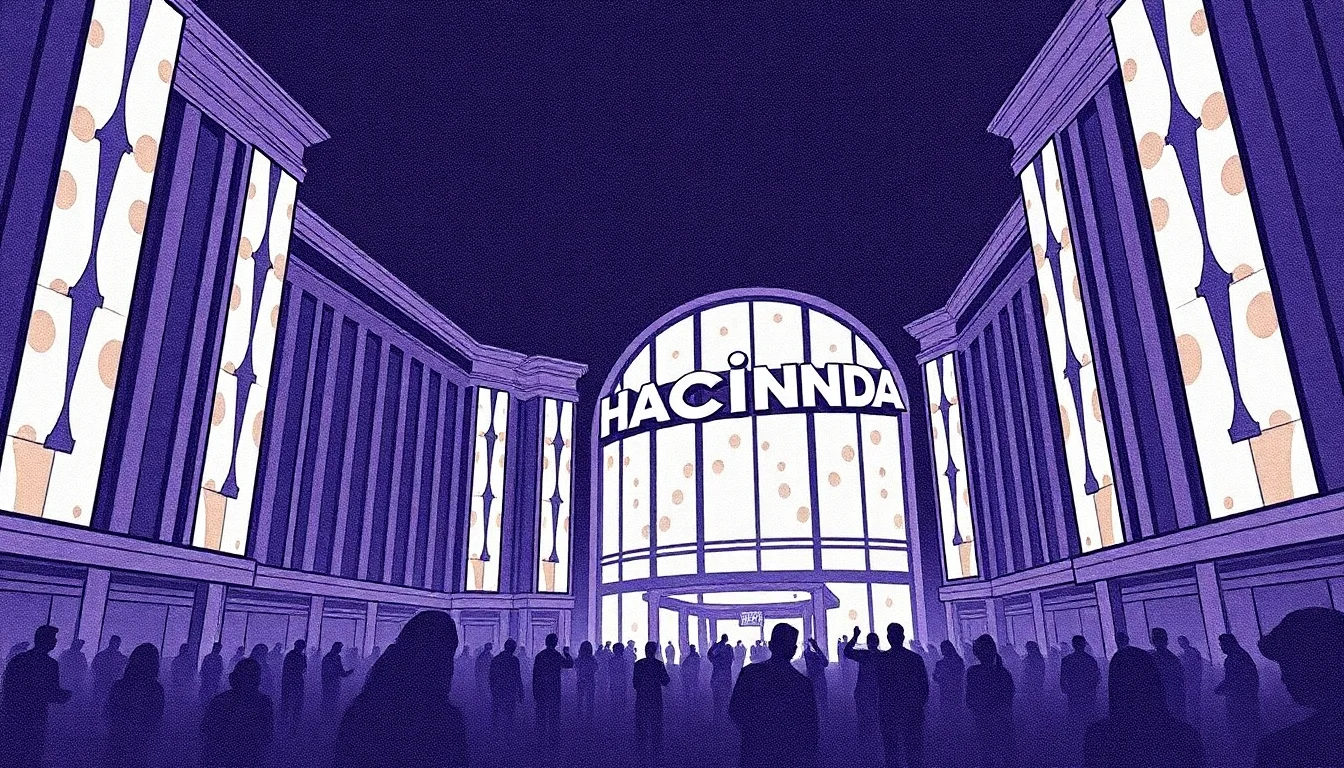
The genesis of The Haçienda can be traced to the ambitious vision of Tony Wilson and Factory Records, who sought to create a venue that would embody the artistic and musical innovation of their label. Inspired by the vibrant club scene in New York and Detroit, particularly The Paradise Garage, Wilson, alongside Rob Gretton and Martin Hannett, envisioned a space that transcended the typical nightclub experience. Construction began in 1980 on a former yacht showroom at 11-13 Whitworth Street West, with the club officially opening its doors on May 21, 1982. Its distinctive industrial aesthetic, designed by Ben Kelly, featured exposed concrete, scaffolding, and the iconic yellow cranes, setting it apart from anything else in the UK at the time. Early musical programming leaned heavily on the post-punk and new wave sounds of New Order and Joy Division, laying the groundwork for its future evolution.
⚙️ How It Worked
The Haçienda's operational model was less about profit and more about cultural impact, a philosophy deeply embedded in Factory Records' ethos. The club was famously subsidized by the commercial success of New Order's records, a precarious financial arrangement that defined its existence. Musically, it evolved to embrace the emerging sounds of Chicago house and Detroit techno in the mid-to-late 1980s, becoming a crucial incubator for the acid house scene. DJs like Mike Pickering and Graeme Park were instrumental in shaping the musical direction, introducing a generation to the infectious rhythms of electronic dance music. The club's layout, with its main dance floor, smaller stage area, and distinctive central pillar, fostered a communal atmosphere, though its sheer scale often meant it felt cavernous when less populated.
📊 Key Facts & Numbers
Financially, The Haçienda was a spectacular failure, yet a cultural triumph. It is widely reported that the club lost an estimated £18 million over its 15-year run, a figure that underscores its unique business model. At its peak, it could host up to 2,000 patrons, with attendance often exceeding 1,000 on busy nights. The shift in drug culture, with the widespread adoption of ecstasy (MDMA), significantly impacted revenue streams; as clubbers consumed less alcohol, a primary source of income for the venue, and spent more on drugs, the club's financial woes deepened. Despite its monetary losses, the club's cultural influence was immeasurable, with its influence on fashion, music, and youth culture in the late 1980s and early 1990s being profound.
👥 Key People & Organizations
The key figures behind The Haçienda were inextricably linked to Factory Records. Tony Wilson, the label's co-founder and the club's visionary impresario, championed its artistic and cultural mission. Rob Gretton, Wilson's business partner and manager of New Order, played a crucial role in the club's operations and financial management, albeit with limited success. Martin Hannett, the influential producer, also had a hand in its early development. On the musical front, DJs like Mike Pickering (resident DJ and A&R for Deconstruction Records) and Graeme Park were pivotal in curating the sound that defined the club's golden era. The club's security staff, often drawn from the local football hooligan scene, also played a complex role in its narrative, sometimes contributing to its reputation for toughness.
🌍 Cultural Impact & Influence
The Haçienda's cultural footprint is immense, extending far beyond the confines of Manchester. It became the de facto cathedral for the Madchester movement, a period where indie rock and dance music fused, influencing countless bands and DJs worldwide. Its distinctive visual identity, characterized by Ben Kelly's industrial design, inspired a generation of club interiors and graphic design. The club's association with New Order and its role in popularizing acid house music cemented its place in music history, with tracks like "Blue Monday" and the general vibe of the club permeating global youth culture. The very notion of a record label-funded, artistically driven nightclub was a radical concept that resonated internationally, even as it proved financially unsustainable.
⚡ Current State & Latest Developments
The physical manifestation of The Haçienda ceased to exist with its closure and subsequent demolition. However, its legacy continues to thrive in various forms. The site of the former club is now occupied by apartments, a stark contrast to its vibrant past. Musically, the influence of The Haçienda can be heard in contemporary electronic music and indie dance. There have been numerous documentaries, books, and retrospectives dedicated to the club, keeping its memory alive for new generations. In 2021, a virtual reality experience, "Haçienda VR", was launched, allowing users to explore a digital recreation of the club. Furthermore, the spirit of The Haçienda lives on in the numerous clubs and festivals that continue to champion underground electronic music and cultivate unique cultural scenes.
🤔 Controversies & Debates
The most significant controversy surrounding The Haçienda was its perpetual financial instability, a direct consequence of its artistic ambitions clashing with commercial realities. The Haçienda's reliance on New Order's record sales to cover its operational losses was a constant source of tension and debate within Factory Records. Critics argued that the label prioritized the club over its other artists, leading to financial strain. Furthermore, the club's association with drugs, particularly ecstasy (MDMA), while central to the rave scene it fostered, also led to increased scrutiny from authorities and contributed to a reputation for crime and violence in its later years. The debate continues on whether its financial failure was an inevitable outcome of its experimental model or a result of poor management and external factors.
🔮 Future Outlook & Predictions
The future of The Haçienda's legacy lies in its continued cultural resonance and the potential for its foundational principles to inspire new ventures. While a physical reincarnation is unlikely, the idea of The Haçienda—a space driven by artistic vision, fostering a unique community, and pushing musical boundaries—remains potent. It's conceivable that future music venues or festivals could adopt a similar ethos, prioritizing cultural impact over immediate profit, perhaps supported by diverse revenue streams beyond traditional bar sales and ticket prices. The ongoing exploration of its history through digital archives and VR experiences suggests a sustained interest that could lead to further innovative ways of experiencing and engaging with its story, potentially influencing the design and programming of future cultural spaces.
💡 Practical Applications
While The Haçienda itself is a historical entity, its operational model and the principles it embodied have practical applications in understanding the economics of cultural institutions and the dynamics of music scenes. The club serves as a case study in how artistic integrity can be both a driving force and a financial liability. Its role in popularizing acid house and its influence on DJ culture highlight the power of dedicated venues in shaping musical genres. The visual design by Ben Kelly continues to inspire architects and designers, demonstrating how a unique aesthetic can become synonymous with a cultural movement. Furthermore, the story of The Haçienda offers lessons for aspiring promoters and labels about the challenges of balancing artistic vision with financial sustainability in the entertainment industry.
Key Facts
- Category
- culture
- Type
- topic