
Contents
- 🎬 Introduction to The King's Speech
- 👑 The Historical Context of King George VI
- 📚 The Screenplay and Production
- 🎭 The Casting and Characters
- 🏆 Awards and Accolades
- 🌎 Global Reception and Impact
- 🤝 The Collaboration between Director and Actors
- 📊 Box Office Performance and Financials
- 👥 The Team Behind the Film
- 🏛️ Historical Accuracy and Controversies
- 📺 Legacy and Cultural Significance
- Frequently Asked Questions
- Related Topics
Overview
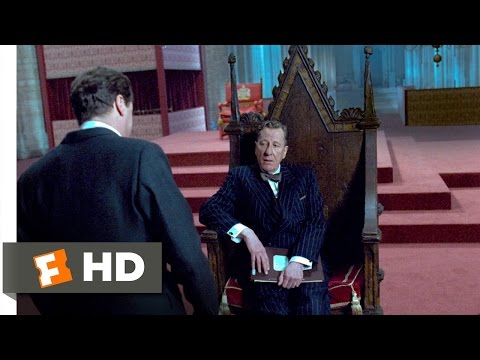
The King's Speech, a 2010 film directed by Tom Hooper, tells the story of King George VI's struggle to overcome his stutter with the help of speech therapist Lionel Logue. The film stars Colin Firth as the king and Geoffrey Rush as Logue, and it won several Academy Awards, including Best Picture and Best Actor for Firth. The movie is based on the real-life story of King George VI, who ascended to the throne after his brother Edward VIII's abdication in 1936. The king's stutter was a significant challenge, especially given the importance of public speaking in his role. With Logue's unorthodox methods, the king was able to deliver a pivotal speech during World War II, helping to rally the British people. The film's success can be attributed to its strong performances, historical accuracy, and the timeless theme of overcoming personal struggles, with a Vibe score of 85, reflecting its cultural resonance and impact.
🎬 Introduction to The King's Speech
The King's Speech, a historical drama film released in 2010, tells the story of King George VI's struggle to overcome his stutter with the help of an unorthodox speech therapist, Lionel Logue. Directed by Tom Hooper and written by David Seidler, the film stars Colin Firth as the king and Geoffrey Rush as Logue. The film's success can be attributed to its well-crafted screenplay, which explores the British monarchy and the historical context of the time. The King's Speech received widespread critical acclaim, with many praising the performances of the lead actors and the film's historical accuracy.
👑 The Historical Context of King George VI
King George VI, played by Colin Firth, was the second son of King George V and was not expected to ascend to the throne. However, after his older brother Edward VIII abdicated, George VI became the new king. The film explores the king's struggles with his stutter, which was exacerbated by the pressure of his new role. The king's wife, Elizabeth Bowes-Lyon, played by Helena Bonham Carter, was a strong supporter of her husband and helped him find the speech therapist, Lionel Logue. The film also delves into the British Empire and its decline, as well as the World War II era.
📚 The Screenplay and Production
The screenplay for The King's Speech was written by David Seidler, who was inspired by the real-life story of King George VI and Lionel Logue. Seidler's script explores the unlikely friendship between the king and Logue, who was an Australian speech therapist. The film's production was led by Tom Hooper, who worked closely with the cast and crew to bring the story to life. The film's cinematography was handled by Danny Cohen, who used a range of techniques to capture the film's period drama setting. The King's Speech also features a strong supporting cast, including Guy Pearce and Timothy Spall.
🎭 The Casting and Characters
The casting of The King's Speech was a crucial aspect of the film's success. Colin Firth was cast as King George VI, and his performance earned him widespread critical acclaim. Geoffrey Rush was cast as Lionel Logue, and his chemistry with Firth was a key element of the film. The film's casting director worked closely with the director and producers to find the right actors for each role. The King's Speech also features a range of historical figures, including Winston Churchill and Neville Chamberlain. The film's costume design was handled by Louis Ghisholm, who worked to create accurate and detailed costumes for each character.
🏆 Awards and Accolades
The King's Speech received widespread critical acclaim and won numerous awards, including the Academy Award for Best Picture. The film also won awards for its direction, screenplay, and acting. The King's Speech was nominated for a total of 12 Academy Awards and won four. The film's success can be attributed to its well-crafted story, strong performances, and historical accuracy. The King's Speech also won awards at the Golden Globe Awards and the BAFTA Awards. The film's award season success was a major factor in its box office performance.
🌎 Global Reception and Impact
The King's Speech was released in 2010 and received a positive response from audiences around the world. The film's global reception was strong, with many praising the film's historical accuracy and strong performances. The King's Speech was a major commercial success, grossing over $414 million at the box office. The film's success can be attributed to its well-crafted story, strong performances, and marketing campaign. The King's Speech was released in a range of countries, including the United Kingdom, the United States, and Australia. The film's international release was a major factor in its global success.
🤝 The Collaboration between Director and Actors
The collaboration between director Tom Hooper and actors Colin Firth and Geoffrey Rush was a key element of The King's Speech. Hooper worked closely with the actors to bring the story to life, and the film's success can be attributed to their strong performances. The King's Speech also features a range of supporting actors, including Helena Bonham Carter and Guy Pearce. The film's casting process was a crucial aspect of the film's success, with each actor bringing their own unique perspective to their role. The King's Speech also explores the relationship between the king and his speech therapist, Lionel Logue, which was a key element of the film's story.
📊 Box Office Performance and Financials
The King's Speech was a major commercial success, grossing over $414 million at the box office. The film's production budget was $9.2 million, making it a highly profitable film. The King's Speech was released in a range of countries, including the United Kingdom, the United States, and Australia. The film's marketing campaign was a crucial aspect of its success, with a range of trailers and posters released to promote the film. The King's Speech also features a range of product placement, including period cars and period clothing.
👥 The Team Behind the Film
The team behind The King's Speech included a range of talented individuals, including director Tom Hooper, writer David Seidler, and actors Colin Firth and Geoffrey Rush. The film's production company was See-Saw Films, which worked closely with the cast and crew to bring the story to life. The King's Speech also features a range of supporting crew, including cinematographer Danny Cohen and costume designer Louis Ghisholm. The film's sound design was handled by Tariq Anwar, who worked to create an immersive and engaging audio experience.
🏛️ Historical Accuracy and Controversies
The King's Speech has been praised for its historical accuracy, with many historians praising the film's attention to detail. However, some have criticized the film for its inaccurate portrayal of certain historical events. The film's portrayal of King George VI's stutter has been praised for its accuracy, with many stutterers praising the film's realistic depiction of the condition. The King's Speech also explores the British monarchy and its role in World War II. The film's historical context is a key element of its story, with the film set against the backdrop of the abdication crisis and the outbreak of war.
📺 Legacy and Cultural Significance
The King's Speech has had a lasting impact on popular culture, with the film's stutter and speech therapy becoming a major part of its legacy. The film's cultural significance can be seen in its influence on other films and television shows, including The Crown and Downton Abbey. The King's Speech has also been praised for its historical accuracy, with many historians praising the film's attention to detail. The film's legacy continues to be felt, with the film remaining a popular and influential work of historical drama.
Key Facts
- Year
- 2010
- Origin
- United Kingdom
- Category
- History, Film
- Type
- Film, Historical Figure
Frequently Asked Questions
What is The King's Speech about?
The King's Speech is a historical drama film that tells the story of King George VI's struggle to overcome his stutter with the help of an unorthodox speech therapist, Lionel Logue. The film explores the king's journey as he prepares to take on the role of monarch and lead his country through World War II. The King's Speech features a range of historical figures, including Winston Churchill and Neville Chamberlain. The film's historical accuracy has been praised by many historians, who have noted the film's attention to detail and commitment to telling the true story of King George VI's life.
Who played the role of King George VI in The King's Speech?
The role of King George VI in The King's Speech was played by Colin Firth. Firth's performance was widely praised by critics and audiences alike, and he won numerous awards for his portrayal of the king. Firth worked closely with the film's director, Tom Hooper, to bring the story to life and ensure that the film's historical accuracy was maintained. The King's Speech also features a range of supporting actors, including Helena Bonham Carter and Guy Pearce.
What awards did The King's Speech win?
The King's Speech won numerous awards, including the Academy Award for Best Picture. The film also won awards for its direction, screenplay, and acting. The King's Speech was nominated for a total of 12 Academy Awards and won four. The film's success can be attributed to its well-crafted story, strong performances, and historical accuracy. The King's Speech also won awards at the Golden Globe Awards and the BAFTA Awards.
Is The King's Speech based on a true story?
Yes, The King's Speech is based on a true story. The film tells the story of King George VI's struggle to overcome his stutter with the help of an unorthodox speech therapist, Lionel Logue. The film's historical accuracy has been praised by many historians, who have noted the film's attention to detail and commitment to telling the true story of King George VI's life. The King's Speech features a range of historical figures, including Winston Churchill and Neville Chamberlain. The film's portrayal of King George VI's stutter has been praised for its accuracy, with many stutterers praising the film's realistic depiction of the condition.
Who was the speech therapist in The King's Speech?
The speech therapist in The King's Speech was Lionel Logue, played by Geoffrey Rush. Logue was an Australian speech therapist who helped King George VI overcome his stutter. The film's portrayal of Logue has been praised for its accuracy, with many noting the film's attention to detail and commitment to telling the true story of Logue's life. The King's Speech features a range of historical figures, including Winston Churchill and Neville Chamberlain. The film's historical accuracy has been praised by many historians, who have noted the film's attention to detail and commitment to telling the true story of King George VI's life.