
Contents
Overview
The middle finger, anatomically the third digit of the human hand, has transcended its biological function to become one of the most potent and universally recognized gestures of contempt, defiance, and insult across global cultures. Its origins are debated, with theories tracing back to ancient Greece and Rome, but its modern ubiquity is undeniable. This gesture, often referred to as 'flipping the bird' or 'giving the finger,' is a potent non-verbal communication tool, capable of conveying extreme displeasure or aggression with a single, simple movement. Despite its widespread use, its legality and social acceptability vary dramatically, leading to fines, arrests, and social ostracization in many contexts. The gesture's power lies in its direct, unambiguous visual statement, making it a persistent and impactful element of human interaction, from personal altercations to political protests.
🎵 Origins & History
The precise genesis of the middle finger as an insult is shrouded in historical ambiguity, though evidence suggests its roots stretch back millennia. Ancient Greek pottery from as early as the 5th century BCE depicts figures extending their middle finger, notably in Aristophanes' play 'The Frogs.' Roman literature also references the gesture; Martial, in the 1st century CE, described it as the 'digitus impudicus' (the immodest finger), explicitly linking it to obscenity and insult. Some scholars propose it evolved from phallic symbolism, with the extended digit representing an erect penis, a primal symbol of aggression and dominance. The gesture's persistence across cultures and eras, from ancient Rome to modern-day internet memes, speaks to its deep-seated psychological resonance as a primal expression of displeasure.
⚙️ How It Works
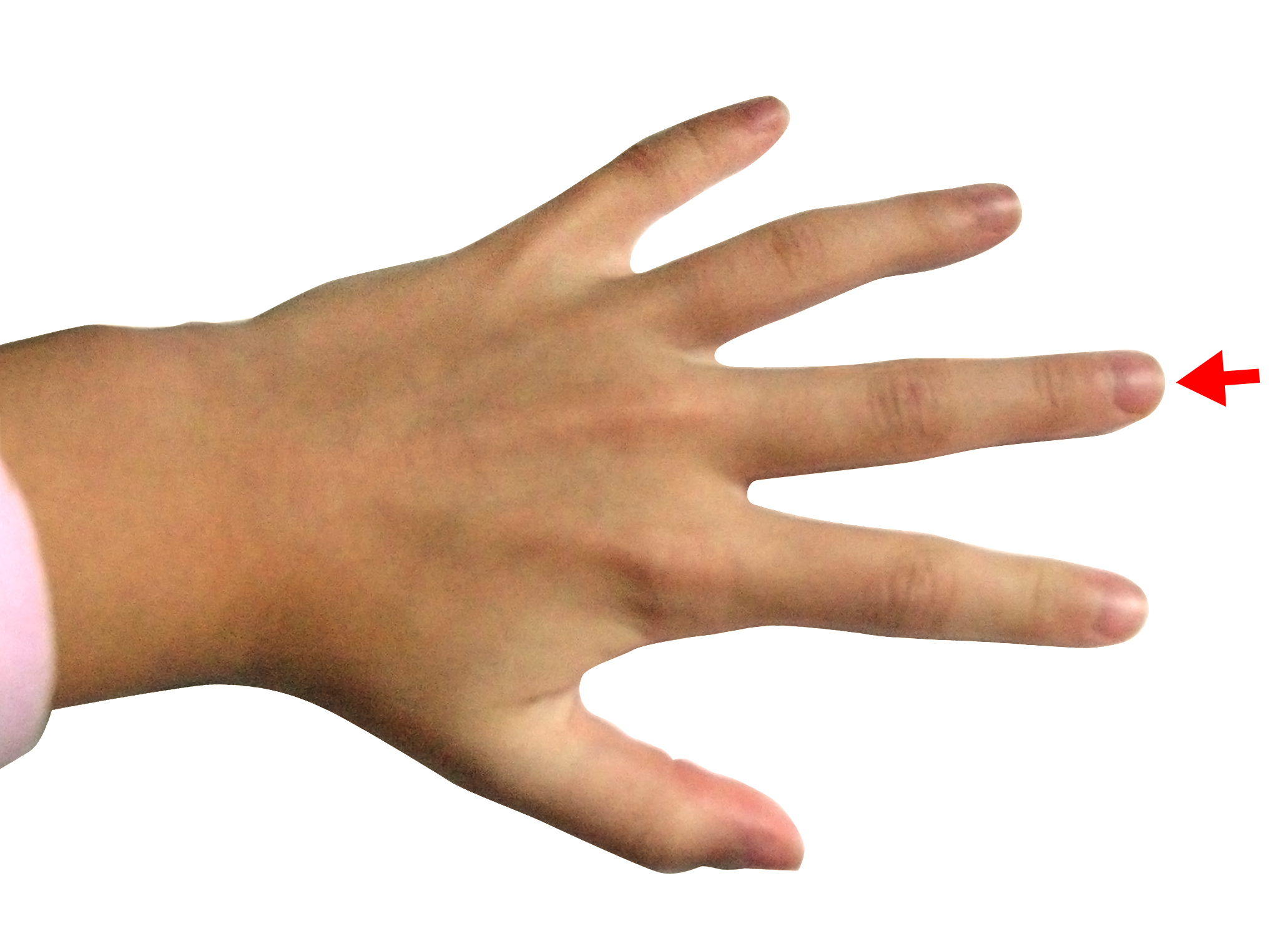
The mechanics of the middle finger gesture are deceptively simple, yet its impact is profound. It involves extending the middle digit of the hand while keeping the other fingers curled towards the palm, often with the thumb also tucked in. This creates a visually distinct and aggressive posture. The gesture's effectiveness relies on its directness; it requires no accompanying sound or elaborate explanation to convey its meaning. The visual cue is immediate and universally understood as an act of disrespect or defiance. This simplicity is key to its widespread adoption across diverse linguistic and cultural groups, making it a potent tool in non-verbal communication.
📊 Key Facts & Numbers
While precise global statistics on middle finger usage are impossible to quantify, its prevalence is staggering. Surveys in the United States have indicated that a significant percentage of the population has both used and received the gesture. In some jurisdictions, like parts of the United States and the United Kingdom, displaying the middle finger can lead to charges of disorderly conduct or public indecency, with potential fines reaching hundreds of dollars. The gesture has been captured in an estimated billions of photographs and videos shared globally each year, underscoring its pervasive presence in visual media.
👥 Key People & Organizations
While no single individual or organization 'owns' the middle finger, its cultural dissemination has been amplified by numerous figures and platforms. Historically, figures like Caligula, the Roman emperor, were known for their capricious and often insulting behavior, which likely included such gestures. In modern times, celebrities, politicians, and athletes have frequently employed the gesture, bringing it into mainstream consciousness. Musicians, particularly in genres like punk rock and hip-hop, have frequently incorporated it into their performances and imagery. Social media platforms like Twitter and Instagram are saturated with images and discussions of the gesture, further cementing its visibility.
🌍 Cultural Impact & Influence
The middle finger's cultural impact is immense, serving as a potent symbol of rebellion, protest, and raw emotion. The gesture has been adopted by various subcultures and movements as a sign of defiance against authority, from anti-establishment movements to individual acts of personal frustration. Its appearance in films, music videos, and art installations by creators like Andreas Gursky solidifies its status as a recognized cultural icon. The gesture's ability to provoke strong reactions, whether outrage or amusement, ensures its continued relevance in shaping social discourse and artistic expression. Its visual language transcends linguistic barriers, making it a powerful tool for conveying dissent on a global scale.
⚡ Current State & Latest Developments
In 2024, the middle finger remains a potent and frequently used gesture, its context often dictated by the digital age. While physical confrontations still occur, the gesture is now widely disseminated through images and videos on social media. Online, it can be used to express frustration with news, politics, or even trivial annoyances, often within comment sections or memes. Law enforcement agencies continue to grapple with its interpretation, with instances of arrests for public indecency or disorderly conduct still occurring. The gesture's adaptability ensures its continued presence in both physical and digital interactions, reflecting its enduring power as a symbol of defiance.
🤔 Controversies & Debates
The middle finger is a constant source of controversy, primarily revolving around its legality and social appropriateness. Debates frequently arise over whether its display constitutes free speech or incites public disorder. In the United States, court rulings have often sided with free speech protections, deeming the gesture a form of protected expression in many contexts. However, its use in specific situations, such as directed at law enforcement or in a manner clearly intended to provoke violence, can still lead to legal repercussions. The ethical implications of its use, particularly in public spaces or online, remain a subject of ongoing discussion.
🔮 Future Outlook & Predictions
The future of the middle finger gesture is likely to be shaped by the evolving landscape of digital communication and social norms. As virtual interactions become more prevalent, the gesture may find new life through digital avatars, emojis, or augmented reality filters. Its inherent power as a symbol of defiance suggests it will continue to be employed in protests and expressions of dissent, potentially adapting to new technological platforms. While its raw, visceral impact might be somewhat diluted by digital translation, the core message of contempt and rebellion is likely to endure, ensuring its place in the human lexicon of gestures for the foreseeable future. The question remains: will its digital iterations carry the same visceral punch as the physical act?
💡 Practical Applications
The primary practical application of the middle finger is as a form of immediate, non-verbal communication to express anger, contempt, or defiance. It is frequently used in road rage incidents, arguments, and as a general sign of disrespect towards individuals or institutions. Beyond its offensive use, it can also be employed in a more playful or defiant manner within certain social circles or as a form of artistic expression, particularly in music and visual arts. For example, Banksy has incorporated similar provocative imagery into his street art. Its utility lies in its universality and the strong emotional response it elicits, making it a powerful, albeit crude, tool for conveying a message.
Key Facts
- Category
- slang
- Type
- term