
Contents
Overview
The use of wrapped neck cloths to denote military rank was practiced by Chinese Emperor Qin Shi Huang’s soldiers. In the West, the Roman Empire popularized the 'sudarium' or sweat cloth, which was tied around the neck or waist to keep clean during labor. The 'cravat' was introduced by Croatian mercenaries serving in France in the 17th century, and King Louis XIV was fascinated by it. The textile industry in Manchester drove the transition of the scarf from a functional military garment to a civilian fashion staple.
⚙️ How It Works
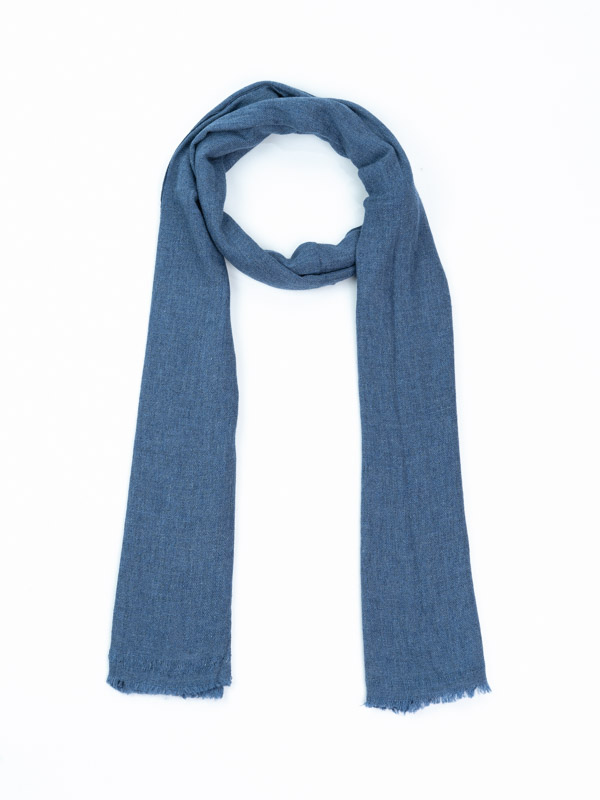
Mechanically, a scarf functions as a portable insulator that traps a layer of warm air against the skin, preventing convection from stripping body heat. The effectiveness of a scarf is determined by its thermal conductivity and the 'loft' of its fibers, with Cashmere and Merino wool providing the highest warmth-to-weight ratios. In high-fashion contexts, the 'drape' of the fabric is engineered through specific weaving techniques like the twill weave used by Hermès for their silk carrés.
📊 Key Facts & Numbers
The scarf is a versatile accessory with various cultural and social significance. It has been used as a symbol of religious devotion, tribal loyalty, and fashion statement. The scarf has also been used in different contexts, such as in sports, where it is used to show team loyalty, and in academia, where it is used to identify a student's university and college.
👥 Key People & Organizations
Key figures in the evolution of the scarf include those who have contributed to its design, production, and cultural significance. The scarf has been influenced by various factors, including technological advancements, social trends, and cultural exchange.
🌍 Cultural Impact & Influence
The scarf’s cultural impact is most visible in its role as a 'tribal' signifier, particularly within football culture where the 'scarf aloft' gesture creates a wall of color in stadiums. The scarf has also served as a political tool, such as the keffiyeh, which transitioned from a traditional Arab headdress to a global symbol of Palestinian resistance.
⚡ Current State & Latest Developments
In recent years, the scarf has seen a resurgence through various fashion trends and cultural movements. High-fashion brands have dominated the current cycle with oversized, multi-colored mohair scarves that function as 'statement pieces.' The rise of sustainable fashion has led to a surge in recycled cashmere and 'vegan silk' alternatives made from orange fiber or lab-grown silk.
🤔 Controversies & Debates
Controversies surrounding the scarf often center on its cultural significance and social impact. Critics of 'fast fashion' frequently target the mass production of cheap acrylic scarves, citing environmental degradation and poor labor conditions. There is also a recurring debate regarding cultural appropriation, specifically when luxury brands 'reimagine' traditional textile patterns for profit.
🔮 Future Outlook & Predictions
The future of the scarf lies in the intersection of biotechnology and wearable technology. We are likely to see 'adaptive textiles' that change their porosity based on ambient temperature, effectively allowing one scarf to function in both autumn and deep winter. As augmented reality (AR) matures, 'digital scarves' may become a staple of metaverse avatars, allowing for impossible patterns and light-emitting fabrics.
💡 Practical Applications
Practically, the scarf is an essential component of the layering system used by mountaineers and outdoor enthusiasts to regulate body temperature. In aviation, the silk scarf was originally worn by WWI pilots to prevent neck chafing while they scanned the skies for enemy aircraft, a functional origin that birthed the 'pilot aesthetic.' Beyond clothing, scarves are used in first aid as improvised slings or pressure bandages during emergencies.
Key Facts
- Category
- aesthetics
- Type
- product