
Contents
Overview
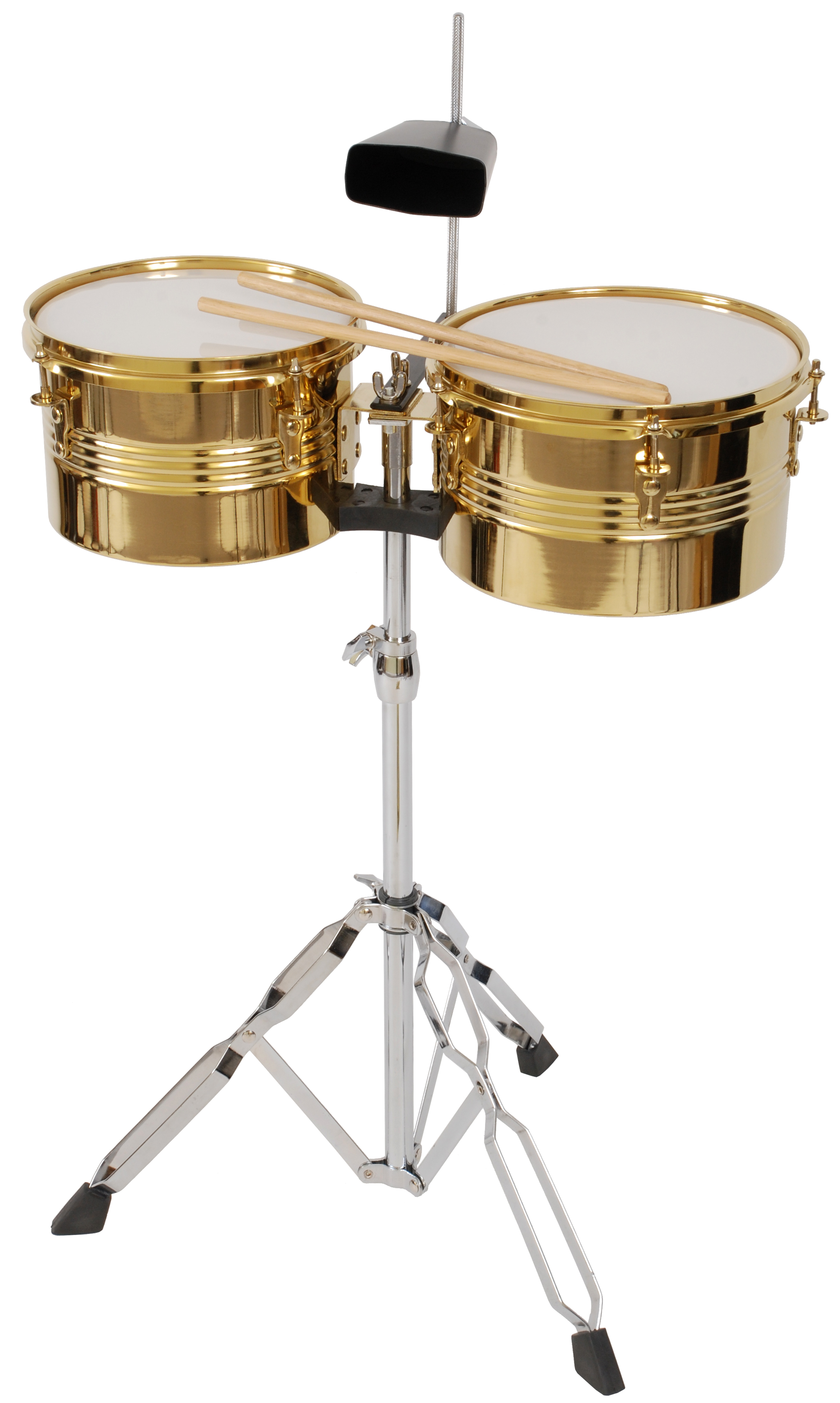
Timbales are shallow, single-headed drums with a distinctive metal casing, renowned for their sharp, piercing tone and central role in Latin American music. Typically played in pairs, a 'macho' (male) and 'hembra' (female) drum, they are struck with wooden sticks on their plastic heads or steel rims, producing a wide spectrum of percussive sounds. Beyond the head, timbaleros often strike the shells, cowbells, or cymbals to maintain rhythmic drive, with the shell pattern known as 'cáscara' being a foundational element. Timbales became indispensable in genres like salsa, mambo, cha-cha-cha, and son cubano, before spreading their influence globally through jazz and popular music. Their bright, cutting sound makes them ideal for solos and rhythmic accents, providing an energetic pulse that defines much of the Latin music soundscape.
🎵 Origins & History
The timbale's story begins in Havana, Cuba, evolving from earlier European orchestral snare drums and kettledrums. The transition from calfskin heads to durable plastic heads significantly amplified their volume and projection, making them suitable for larger ensembles and louder musical settings. This evolution was crucial for their integration into the burgeoning mambo orchestras, solidifying their status as a cornerstone of Latin percussion.
⚙️ How It Works
A timbale setup typically consists of two shallow drums. These drums feature a single-ply plastic head stretched over a steel rim, mounted on a metal shell, most commonly steel or brass. The timbalero strikes the head with wooden sticks, employing techniques like rim shots, rolls, and various stroke patterns to create complex rhythmic figures and melodic solos. Crucially, the shells themselves are often struck with the sticks, producing the distinctive 'cáscara' pattern, or the player might incorporate auxiliary percussion like cowbells and cymbals to maintain the rhythmic foundation, especially during ensemble playing.
📊 Key Facts & Numbers
Timbales shells are commonly made of steel or brass. Manufacturers are experimenting with new shell materials, such as acrylic and various metal alloys, to offer a wider tonal palette. Electronic timbale pads and hybrid acoustic-electronic setups are also emerging, allowing for integration with digital music production and live performance technologies. The cost of high-quality timbales can be a barrier for aspiring musicians, leading to discussions about accessibility and the proliferation of lower-cost alternatives.
👥 Key People & Organizations
Key figures in the timbale's history include Tito Puente, often hailed as 'The King of the Timbales,' whose virtuosic playing and compositions defined the instrument's solo potential. Chano Pozo, a Cuban percussionist, was pivotal in integrating Afro-Cuban rhythms into bebop and jazz, often featuring timbales. Ray Barretto was another influential bandleader and percussionist who masterfully employed timbales in salsa music. Manufacturers like Latin Percussion (LP) and Pearl Drums have been instrumental in developing and popularizing modern timbale designs and accessories, while Toca Percussion also offers a range of timbale products.
🌍 Cultural Impact & Influence
The timbale is inextricably linked to the vibrant soundscapes of Latin America, particularly Cuba and Puerto Rico, serving as the rhythmic engine for genres like salsa, mambo, cha-cha-cha, and merengue. Its bright, cutting tone allows it to slice through dense orchestral arrangements, making it ideal for solos and driving rhythmic patterns. Beyond its traditional domains, the timbale's influence has permeated jazz, funk, and pop music, with artists like Santana famously incorporating its percussive energy. The visual and sonic presence of timbales on stage has also become an iconic element of Latin music performance.
⚡ Current State & Latest Developments
In contemporary music, timbales continue to be a vital instrument in salsa and other Latin genres, with modern players pushing the boundaries of technique and sound. Manufacturers are experimenting with new shell materials, such as acrylic and various metal alloys, to offer a wider tonal palette. Electronic timbale pads and hybrid acoustic-electronic setups are also emerging, allowing for integration with digital music production and live performance technologies. The instrument remains a staple in music education programs worldwide, ensuring its continued relevance for future generations of percussionists.
🤔 Controversies & Debates
One ongoing debate centers on the 'authentic' timbale sound versus modern amplification and electronic integration. Some purists argue that the inherent acoustic properties and the tactile experience of playing traditional timbales are being diluted by electronic enhancements. Another point of contention can arise regarding the historical attribution of specific rhythmic patterns, such as the 'cáscara,' with debates sometimes surfacing about which musicians or regions were the true originators. Furthermore, the cost of high-quality timbales can be a barrier for aspiring musicians, leading to discussions about accessibility and the proliferation of lower-cost alternatives.
🔮 Future Outlook & Predictions
The future of timbales likely involves a continued fusion of traditional craftsmanship with technological innovation. We can anticipate more sophisticated hybrid instruments that offer both acoustic resonance and digital versatility. Expect to see timbales integrated more seamlessly into electronic music production workflows and live electronic performances. Furthermore, as global music education continues to expand, the timbale's presence in curricula worldwide is expected to grow, potentially leading to new stylistic fusions and a broader appreciation for its unique percussive voice. The exploration of new shell materials and head technologies will also likely yield novel sonic possibilities.
💡 Practical Applications
Timbales are primarily used in musical performance, serving as a lead percussion instrument in various Latin American and jazz ensembles. They are essential for creating the characteristic rhythmic drive in genres like salsa and mambo. Beyond their role in keeping time and providing solos, timbales are also utilized in music education programs globally, teaching students about rhythm, coordination, and Latin musical traditions. Their distinctive sound also finds application in film scores and television soundtracks to evoke specific cultural atmospheres or add percussive intensity.
Key Facts
- Category
- culture
- Type
- product