
Contents
Overview
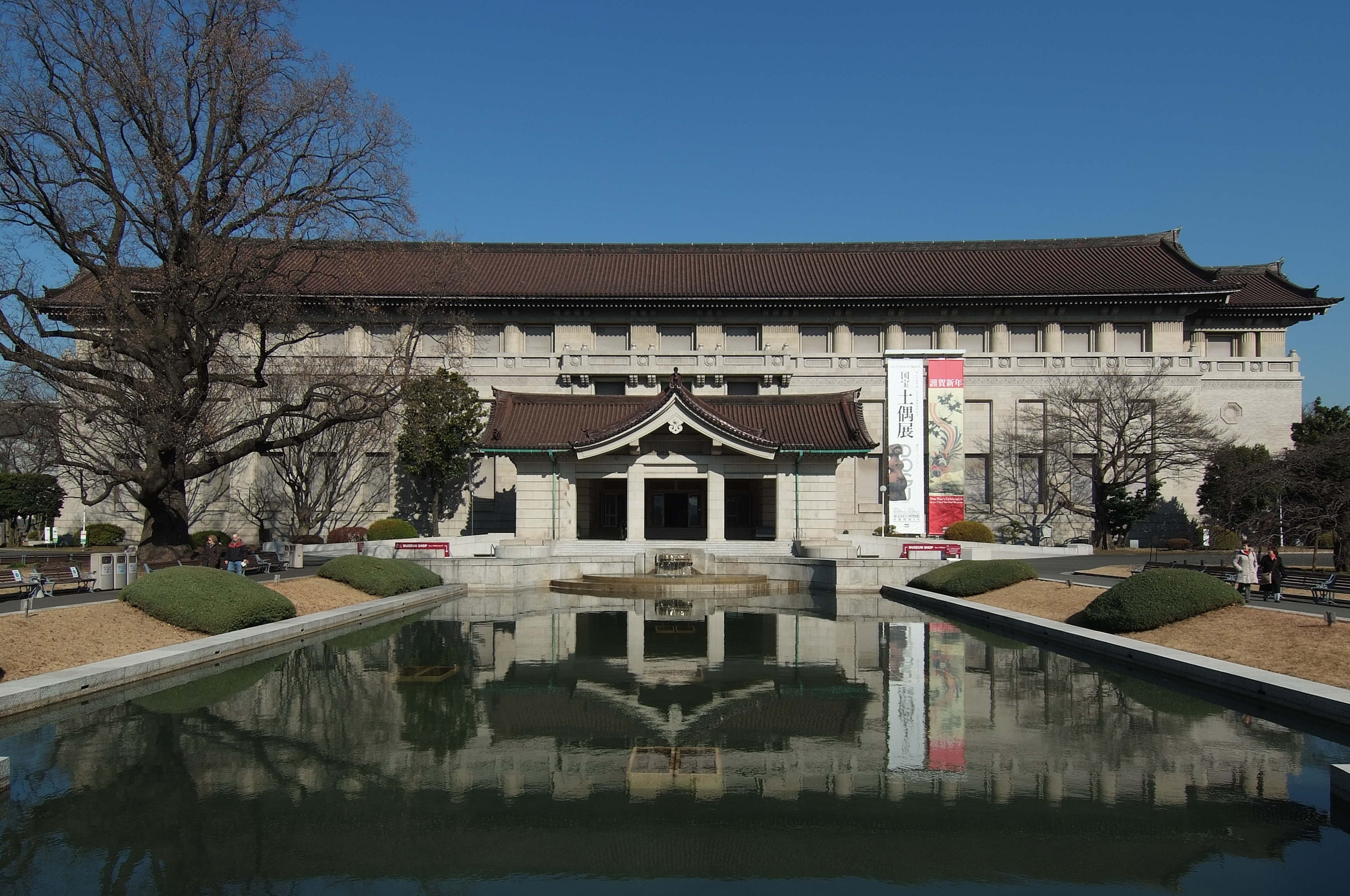
The genesis of the Tokyo National Museum traces back to 1872, a pivotal year in Japan's Meiji Restoration, when the first national museum was established to showcase the nation's cultural assets. Initially housed in the former residence of a nobleman, it was later moved to its current location in Ueno Park, which had been designated as an Imperial grant park. The museum's structure evolved significantly over the decades, with various buildings constructed to house its ever-growing collections. The iconic Japanese Gallery (Honkan), designed by architect Jin Watanabe, opened in 1937, becoming a symbol of the museum's commitment to preserving traditional Japanese aesthetics. Over time, the museum has absorbed and integrated numerous smaller collections, solidifying its position as the preeminent guardian of Japanese and Asian cultural heritage, a role it continues to fulfill under the umbrella of the National Institutes for Cultural Heritage.
⚙️ Architectural Marvels & Layout
The Tokyo National Museum is not a single edifice but a complex of distinct buildings, each with its own architectural character and thematic focus. The Japanese Gallery (Honkan), with its imposing stone facade and traditional tiled roof, is the museum's most recognizable structure, dedicated to pre-modern Japanese art. Adjacent to it, the Gallery of Hōryū-ji Treasures houses a remarkable collection of Buddhist art and artifacts from the Hōryū-ji Temple in Nara, showcasing exquisite craftsmanship from the 7th to 8th centuries. Other key buildings include the East Asian Gallery, focusing on Chinese, Korean, and Mongolian art; the Japanese Gallery (Heiseikan), which displays more recent Japanese art and archaeological finds; and the Hyokeikan, known for its impressive Meiji-era architecture and exhibitions on Japanese archaeology. This architectural diversity mirrors the breadth of the museum's collections, offering visitors a journey through different eras and artistic traditions.
📊 Key Facts & Numbers
As of April 2023, the Tokyo National Museum stewards approximately 120,000 cultural properties, a staggering number that underscores its immense significance. Among these are 89 designated National Treasures, the highest designation for cultural assets in Japan, and 319 Hōryū-ji Treasures, a unique collection gifted by the Hōryū-ji Temple. Furthermore, the museum holds 649 Important Cultural Properties, a category recognizing objects of exceptional artistic or historical value. To put this in perspective, the Japanese government has designated a total of 902 works of art and crafts as National Treasures, meaning the TNM alone holds nearly 10% of these invaluable pieces. The museum's collection also includes over 100,000 other artifacts, ranging from ancient pottery and samurai swords to calligraphy and textiles, representing a vast spectrum of Asian artistic achievement.
👥 Key People & Organizations
The Tokyo National Museum operates under the purview of the National Institutes for Cultural Heritage, a governmental agency responsible for managing Japan's most significant cultural institutions. While the museum itself is a collective entity, its history is intertwined with numerous individuals who shaped its collections and architecture. Early curators and scholars played a crucial role in acquiring and preserving artifacts during Japan's modernization. Architects like Jin Watanabe, who designed the iconic Honkan building, and Yoshio Taniguchi, who designed the nearby Ginza architectural district, have left indelible marks. The museum's collections are also deeply connected to institutions like the Hōryū-ji Temple, from which a significant portion of its treasures originates, and its ongoing collaborations with international museums and research institutions are vital for its global reach.
🌍 Cultural Impact & Influence
The TNM's influence extends far beyond its physical walls, shaping perceptions of Japanese and Asian art both domestically and internationally. It serves as a primary educational resource, influencing art curricula and inspiring countless artists, designers, and scholars. The museum's exhibitions, often featuring loans from other major institutions like the Louvre Museum or the Metropolitan Museum of Art, have introduced Japanese art to wider global audiences and vice versa. Its role in preserving and showcasing traditional crafts has also contributed to the revitalization of certain artisanal practices. The museum's consistent presence in global art news, as seen in reports from outlets like South China Morning Post, highlights its ongoing relevance in the international cultural dialogue.
⚡ Current State & Latest Developments
In 2024, the Tokyo National Museum continues its mission of collecting, preserving, and exhibiting Asian art and cultural properties. Recent developments include ongoing special exhibitions that often focus on specific themes or historical periods, drawing significant public attention. For instance, exhibitions featuring samurai armor or ancient Buddhist sculptures frequently attract large crowds. The museum also actively engages in digital initiatives, expanding its online presence with virtual tours and digitized collections to reach a broader audience, especially in light of global travel limitations. Collaborations with international institutions remain a key focus, facilitating the exchange of knowledge and artifacts, as evidenced by its participation in global cultural events and research projects.
🤔 Controversies & Debates
While the Tokyo National Museum is widely revered, debates occasionally arise concerning the provenance of certain artifacts, particularly those acquired during periods of colonial expansion. The ethical considerations surrounding the repatriation of cultural heritage are a global concern, and while the TNM has a strong record of preservation, such discussions are inherent to any major museum holding vast historical collections. Another area of discussion, though less controversial, pertains to the interpretation and presentation of certain historical narratives within its exhibitions, ensuring a balanced and inclusive perspective that reflects contemporary understanding of Asian history and art.
🔮 Future Outlook & Predictions
The future of the Tokyo National Museum will likely involve a continued emphasis on digital accessibility and global outreach. As technology advances, expect more immersive virtual experiences and enhanced online databases, making its vast collections accessible to anyone with an internet connection. The museum is also poised to play an even greater role in fostering cross-cultural understanding through international collaborations and exhibitions that highlight shared artistic traditions across Asia and beyond. Furthermore, ongoing research into conservation techniques and the study of its extensive holdings will undoubtedly uncover new insights into the art and history it safeguards, ensuring its relevance for generations to come.
💡 Practical Applications
The Tokyo National Museum serves as a critical resource for scholars, artists, and cultural enthusiasts worldwide. Its collections provide invaluable primary source material for research in art history, archaeology, and cultural studies, influencing academic discourse and publications. For artists, the museum offers a rich wellspring of inspiration, from the intricate details of ukiyo-e prints to the serene forms of ancient Buddhist sculptures. Furthermore, its role in cultural diplomacy is significant, facilitating international exchange programs and fostering goodwill through shared appreciation of art. The museum's educational programs and public lectures also contribute to a broader understanding of Asian heritage among the general public, making its collections relevant to everyday life.
Key Facts
- Category
- culture
- Type
- topic