
Contents
- 🌿 Origins & History
- ⚖️ How It Works
- 📊 Key Facts & Numbers
- 👥 Key People & Organizations
- 🌎 Cultural Impact & Influence
- ⚡ Current State & Latest Developments
- 🤔 Controversies & Debates
- 🔮 Future Outlook & Predictions
- 💡 Practical Applications
- 📚 Related Topics & Deeper Reading
- Frequently Asked Questions
- References
- Related Topics
Overview
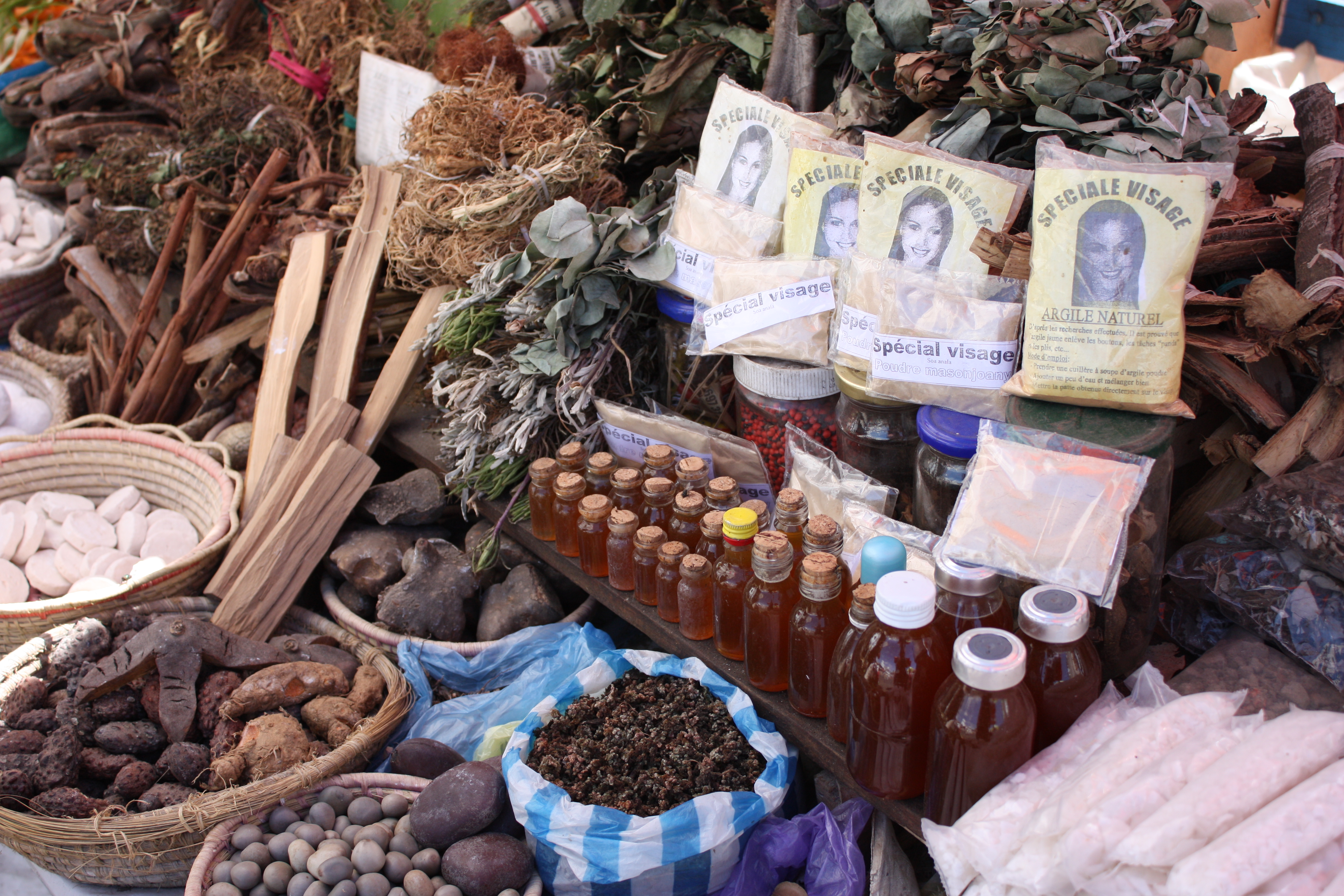
Traditional medicine, also known as Indigenous or folk medicine, encompasses the knowledge, skills, and practices rooted in the cultural beliefs of various societies, used to treat illness and maintain health. With a history spanning over 5,000 years, traditional medicine includes systems like Ayurveda, traditional Chinese medicine, and Unani, and is used by approximately 80% of people in Asian and African countries for primary health care. The World Health Organization (WHO) supports the integration of traditional medicine into modern healthcare systems, but warns of potential risks and calls for more research on their safety and effectiveness. As of 2024, two-thirds of countries globally report at least 40% of their population using traditional, complementary, or integrative medicine, with higher usage reported in African and Southeast Asian countries. The use of traditional medicine is a complex and multifaceted issue, with both proponents and critics presenting strong arguments. On one hand, traditional medicine has been shown to be effective in treating certain health conditions, such as Ayurveda for digestive issues and traditional Chinese medicine for pain management. On the other hand, critics argue that traditional medicine can be unsafe and ineffective, with some practices lacking scientific evidence to support their claims. Despite these challenges, traditional medicine remains an essential part of healthcare systems around the world, with many countries working to integrate traditional practices into their modern healthcare systems. For example, China has established a network of traditional Chinese medicine hospitals, while India has launched initiatives to promote the use of Ayurveda and other traditional systems. As the global healthcare landscape continues to evolve, the role of traditional medicine is likely to remain a topic of debate and discussion, with many experts calling for further research and integration of traditional practices into modern healthcare systems.
🌿 Origins & History
Traditional medicine has its roots in ancient civilizations, with evidence of herbal remedies dating back over 5,000 years to the Indus Valley Civilization. The use of medicinal herbs and other natural substances was also documented in ancient China, Egypt, and Greece. For example, the Ayurvedic system of medicine, which originated in India over 3,000 years ago, is based on the concept of balance and harmony in the body and uses a variety of natural substances, including herbs, minerals, and animal products, to treat a range of health conditions. Similarly, traditional Chinese medicine has a history dating back over 2,000 years and is based on the concept of qi (life energy) and the balance of yin and yang energies in the body.
⚖️ How It Works
Traditional medicine encompasses a wide range of practices and systems, including acupuncture, herbalism, and homeopathy. These practices are often based on a holistic approach to health, which takes into account the physical, emotional, and spiritual well-being of the individual. For example, Unani medicine, which originated in Greece and was later adopted by Islamic physicians, is based on the concept of balance and harmony in the body and uses a variety of natural substances, including herbs and minerals, to treat a range of health conditions. In contrast, Ayurvedic medicine uses a more individualized approach, taking into account the unique characteristics and needs of each patient.
📊 Key Facts & Numbers
According to a 2024 World Health Organization (WHO) global survey, two-thirds of countries globally report at least 40% of their population using traditional, complementary, or integrative medicine. The use of traditional medicine is particularly high in Africa and Southeast Asia, where it is often used in conjunction with modern healthcare systems. For example, in China, traditional Chinese medicine is used by over 50% of the population, while in India, Ayurvedic medicine is used by over 30% of the population. The WHO supports the integration of traditional medicine into modern healthcare systems, but warns of potential risks and calls for more research on their safety and effectiveness.
👥 Key People & Organizations
Key people and organizations involved in the development and promotion of traditional medicine include the World Health Organization (WHO), the National Institutes of Health (NIH), and the American Herbal Products Association (AHPA). These organizations work to promote the safe and effective use of traditional medicine, and to support research into its benefits and risks. For example, the WHO has established a number of initiatives to promote the use of traditional medicine, including the development of guidelines for the safe use of herbal medicines and the establishment of a global database of traditional medicine practices.
🌎 Cultural Impact & Influence
Traditional medicine has had a significant impact on modern healthcare systems, with many traditional practices and substances being incorporated into conventional medicine. For example, the use of aspirin, which is derived from the bark of the willow tree, is a common practice in modern medicine. Similarly, the use of penicillin, which is derived from a type of fungus, is a common practice in modern medicine. However, the use of traditional medicine has also been criticized for its potential risks and lack of scientific evidence to support its claims. For example, some traditional practices, such as the use of heavy metals in certain traditional medicines, have been linked to serious health problems.
⚡ Current State & Latest Developments
As of 2024, the use of traditional medicine is a topic of ongoing debate and discussion, with many experts calling for further research and integration of traditional practices into modern healthcare systems. The WHO has established a number of initiatives to promote the safe and effective use of traditional medicine, including the development of guidelines for the safe use of herbal medicines and the establishment of a global database of traditional medicine practices. However, critics argue that traditional medicine can be unsafe and ineffective, and that its use should be approached with caution. For example, the use of traditional medicine has been linked to a number of adverse reactions, including allergic reactions and interactions with conventional medications.
🤔 Controversies & Debates
The use of traditional medicine is a complex and multifaceted issue, with both proponents and critics presenting strong arguments. On one hand, traditional medicine has been shown to be effective in treating certain health conditions, such as Ayurveda for digestive issues and traditional Chinese medicine for pain management. On the other hand, critics argue that traditional medicine can be unsafe and ineffective, and that its use should be approached with caution. Despite these challenges, traditional medicine remains an essential part of healthcare systems around the world, with many countries working to integrate traditional practices into their modern healthcare systems.
🔮 Future Outlook & Predictions
The future of traditional medicine is likely to be shaped by a number of factors, including advances in technology, changes in consumer demand, and the development of new regulations and guidelines. For example, the use of artificial intelligence and machine learning is likely to play a major role in the development of traditional medicine, with many companies and organizations working to develop new technologies and platforms for the delivery of traditional medicine. Similarly, the development of new regulations and guidelines is likely to have a significant impact on the use of traditional medicine, with many countries working to establish clear guidelines and standards for the safe and effective use of traditional medicine.
💡 Practical Applications
Traditional medicine has a number of practical applications, including the treatment of a range of health conditions, such as digestive issues, pain management, and mental health disorders. For example, acupuncture is often used to treat pain and other health conditions, while herbalism is often used to treat a range of health conditions, including digestive issues and skin problems. Similarly, homeopathy is often used to treat a range of health conditions, including allergies and mental health disorders.
Key Facts
- Year
- 2024
- Origin
- Global
- Category
- culture
- Type
- concept
Frequently Asked Questions
What is traditional medicine?
Traditional medicine refers to the knowledge, skills, and practices rooted in the cultural beliefs of various societies, used with the intent of treating illness and maintaining health. It includes systems like Ayurveda, traditional Chinese medicine, and Unani.
How is traditional medicine used?
Traditional medicine is often used in conjunction with modern healthcare systems, and is used to treat a range of health conditions, including digestive issues, pain management, and mental health disorders.
What are the benefits and risks of traditional medicine?
The benefits of traditional medicine include its ability to treat a range of health conditions, and its potential to promote overall health and well-being. However, traditional medicine can also be associated with risks, including adverse reactions and interactions with conventional medications.
How is traditional medicine regulated?
The regulation of traditional medicine varies by country, but many countries have established guidelines and standards for the safe and effective use of traditional medicine. For example, the World Health Organization has established guidelines for the safe use of herbal medicines.
What is the future of traditional medicine?
The future of traditional medicine is likely to be shaped by a number of factors, including advances in technology, changes in consumer demand, and the development of new regulations and guidelines. For example, the use of artificial intelligence and machine learning is likely to play a major role in the development of traditional medicine.
How can I learn more about traditional medicine?
There are many resources available for learning more about traditional medicine, including books, online courses, and workshops. For example, the National Institutes of Health has established a number of initiatives to promote the safe and effective use of traditional medicine.
What are some common traditional medicine practices?
Some common traditional medicine practices include acupuncture, herbalism, and homeopathy. For example, acupuncture is often used to treat pain and other health conditions, while herbalism is often used to treat a range of health conditions, including digestive issues and skin problems.