
Contents
Overview
The origins of the Transatlantic Alliance are deeply rooted in the aftermath of World War II, a period marked by the rise of the Soviet Union and the need for collective security among Western democracies. The North Atlantic Treaty Organization (NATO), established in 1949 with the signing of the North Atlantic Treaty, is the most prominent manifestation of this alliance. This pivotal moment, detailed in exhibits like 'The Road to NATO: Building the Transatlantic Alliance' at the National Museum of American Diplomacy, represented a significant shift in U.S. foreign policy, moving away from traditional non-entanglement. Key figures like Senator Arthur Vandenberg played a crucial role in garnering bipartisan support for this new direction, driven by escalating Cold War tensions and events such as the Soviet takeover of Czechoslovakia. The alliance's early years were shaped by the need to deter Soviet aggression, a goal that has seen NATO expand significantly over the decades, incorporating nations from the former Soviet sphere, as documented by NATO's own historical accounts.
⚙️ How It Works
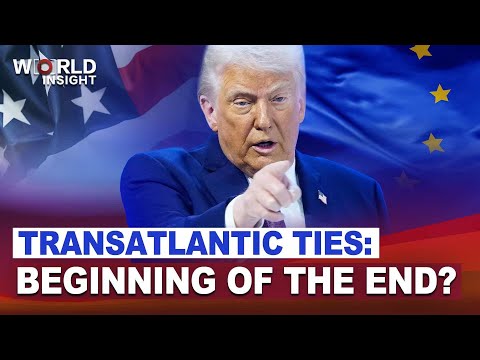
At its core, the Transatlantic Alliance functions through a framework of mutual defense, political consultation, and economic cooperation, with NATO serving as its primary military pillar. The principle of collective defense, enshrined in Article 5 of the North Atlantic Treaty, dictates that an attack on one member is considered an attack on all. This commitment has been invoked only once in NATO's history, following the September 11th attacks. Beyond military cooperation, the alliance fosters dialogue on a wide range of issues, from trade and technology to climate change and global security challenges, as explored in analyses from institutions like the Baker Institute and the European Parliament's Think Tank. The evolving nature of these partnerships, particularly in light of recent U.S. policy shifts under administrations like Donald Trump's, has led to discussions about greater European self-reliance and a rebalancing of responsibilities within the alliance, as highlighted by research from RAND and CSIS.
🌍 Cultural Impact
The Transatlantic Alliance has profoundly shaped the geopolitical landscape and the cultural exchange between North America and Europe for over 70 years. Its influence extends beyond military and economic spheres, fostering a shared understanding of democratic values, human rights, and the rule of law. The alliance has been a bulwark against authoritarianism, contributing to periods of relative peace and stability that have allowed for significant cultural cross-pollination. From the shared artistic and intellectual movements that have flourished across the Atlantic to the ongoing debates about the alliance's future, as seen in publications from Foreign Affairs and Brookings, the cultural impact is undeniable. The alliance's enduring presence has also influenced popular culture, with references appearing in media and discussions about global affairs, reflecting its deep integration into the collective consciousness.
🔮 Legacy & Future
The future of the Transatlantic Alliance is a subject of ongoing debate and analysis, particularly in the context of shifting U.S. foreign policy and the rise of new global challenges. While the alliance has weathered numerous crises, including those stemming from the Cold War and more recent geopolitical realignments, its resilience is continuously tested. Institutions like the RAND Corporation and the European Union Institute for Security Studies (EUISS) are actively researching the alliance's adaptability, exploring scenarios for its evolution in an era of great-power competition and potential divergences in U.S. and European priorities. The possibility of a more independent Europe, as discussed in analyses from DIIS and the American University, alongside the enduring need for collective security, suggests that the alliance will continue to transform, seeking new balances and reaffirming shared commitments to navigate an uncertain future.
Key Facts
- Year
- 1949-present
- Origin
- North America and Europe
- Category
- history
- Type
- organization
Frequently Asked Questions
What is the primary purpose of the Transatlantic Alliance?
The primary purpose of the Transatlantic Alliance, largely embodied by NATO, is to ensure the collective security and defense of its member states through political and military means. It also aims to foster cooperation on shared values, democratic principles, and economic stability between North America and Europe.
When was the Transatlantic Alliance formed?
The most significant component of the Transatlantic Alliance, NATO, was formed with the signing of the North Atlantic Treaty on April 4, 1949. This followed extensive diplomatic efforts in the post-World War II era.
What is Article 5 of the North Atlantic Treaty?
Article 5 is the cornerstone of NATO's collective defense clause. It states that an armed attack against one or more of the member states in Europe or North America shall be considered an attack against them all. This provision obliges each member state to assist the party or parties attacked.
How has the Transatlantic Alliance evolved over time?
The Transatlantic Alliance has evolved significantly since its inception. Initially focused on deterring the Soviet Union during the Cold War, it has adapted to new threats, including terrorism, cyber warfare, and the rise of great-power competition. NATO has also expanded its membership and undertaken various out-of-area operations, reflecting a broader approach to security beyond its initial mandate.
What are the current challenges facing the Transatlantic Alliance?
Current challenges include shifting U.S. foreign policy priorities, debates over burden-sharing, the rise of nationalism, and differing perspectives on global threats. The alliance is also grappling with adapting to new technologies, managing relations with Russia and China, and ensuring its continued relevance in a rapidly changing international landscape.
References
- en.wikipedia.org — /wiki/Transatlantic_relations
- csis.org — /analysis/transatlantic-alliance-age-trump-coming-collisions
- diplomacy.state.gov — /exhibits/the-road-to-nato-building-the-transatlantic-alliance/
- bakerinstitute.org — /research/us-policy-shifts-and-future-transatlantic-alliance
- congress.gov — /116/meeting/house/109187/witnesses/HHRG-116-FA14-Wstate-BrandsH-20190326.pdf
- socialeurope.eu — /the-transatlantic-alliance-is-dying-what-comes-next-for-europe
- foreignaffairs.com — /europe/once-and-future-transatlantic-alliance
- iai.it — /sites/default/files/TW_WP_03.pdf