
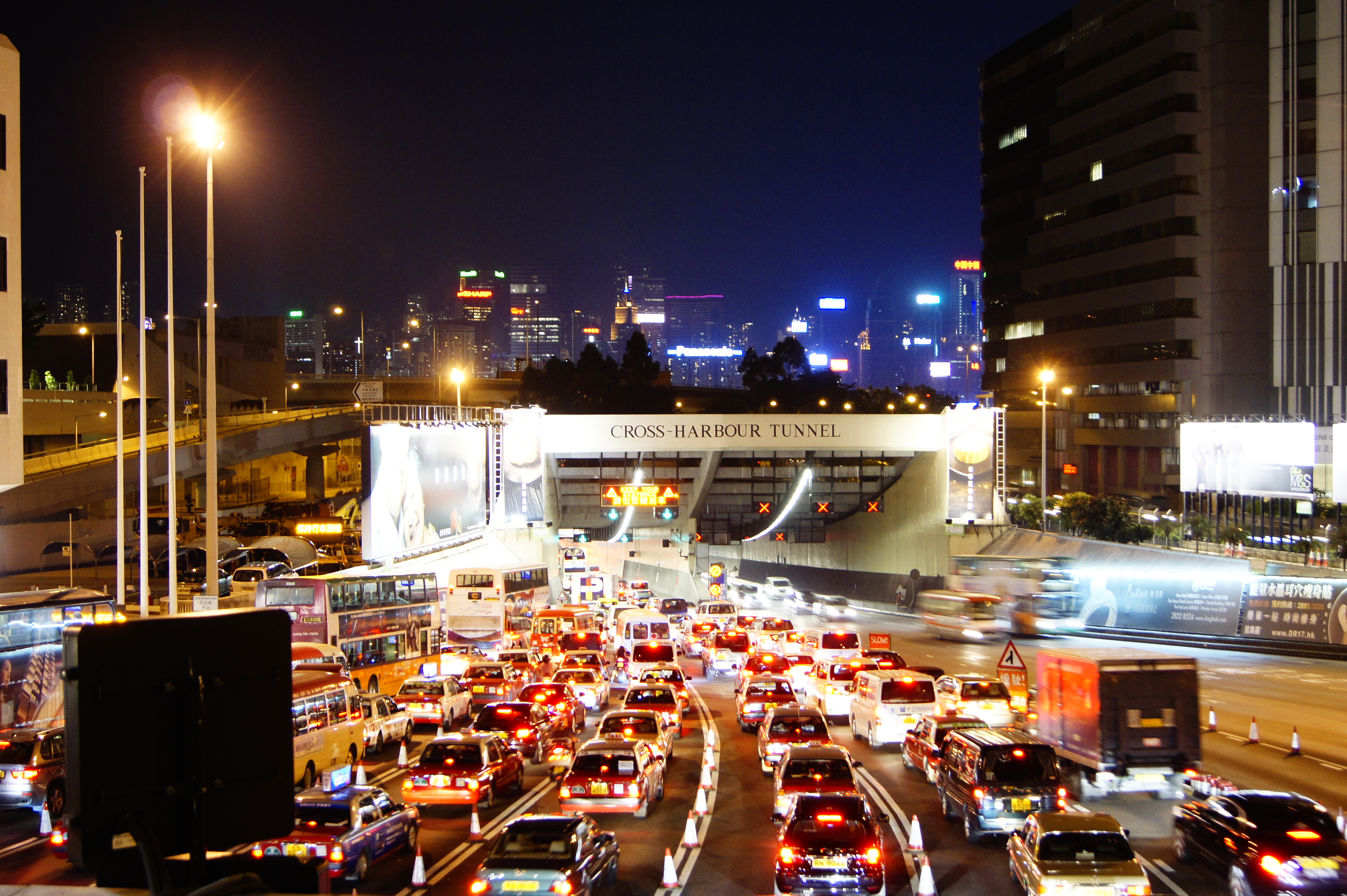
Travel | Vibepedia
Travel is the movement of people between distant geographical locations, encompassing various modes of transportation, including foot, bicycle, automobile…
Contents
- 🎵 Origins & History
- ⚙️ How It Works
- 📊 Key Facts & Numbers
- 👥 Key People & Organizations
- 🌍 Cultural Impact & Influence
- ⚡ Current State & Latest Developments
- 🤔 Controversies & Debates
- 🔮 Future Outlook & Predictions
- 💡 Practical Applications
- 📚 Related Topics & Deeper Reading
- Frequently Asked Questions
- References
- Related Topics
Overview
Travel is the movement of people between distant geographical locations, encompassing various modes of transportation, including foot, bicycle, automobile, train, boat, bus, airplane, and ship. With a rich history dating back to ancient civilizations, travel has evolved significantly over time, influenced by technological advancements, cultural exchange, and economic factors. Today, the travel industry is a significant contributor to the global economy, with millions of people embarking on journeys for leisure, business, or personal reasons. According to the World Tourism Organization, international tourist arrivals reached 1.5 billion in 2019, generating $1.7 trillion in export earnings. As the world becomes increasingly interconnected, travel continues to play a vital role in shaping our understanding of different cultures, fostering global citizenship, and driving economic growth. With the rise of sustainable tourism and eco-friendly travel options, the industry is poised for a significant shift towards more responsible and environmentally conscious practices. As noted by Anthony Bourdain, a renowned travel writer and chef, 'travel is about the gorgeous feeling of teetering in the unknown,' highlighting the transformative power of exploration and discovery.
🎵 Origins & History
The concept of travel dates back to ancient times, with evidence of early human migration and trade routes found in the Indus Valley Civilization and Ancient Egypt. The development of new transportation technologies, such as the wheel and sail, facilitated the growth of trade and cultural exchange between civilizations. As noted by Herodotus, a Greek historian, 'travel is a powerful tool for understanding different cultures and ways of life.' The modern concept of travel as we know it today, however, is a relatively recent phenomenon, with the rise of commercial air travel in the mid-20th century and the subsequent growth of the tourism industry. According to Lonely Planet, a leading travel guide publisher, 'travel has the power to break down cultural barriers and foster global understanding.'
⚙️ How It Works
Travel can be done through various modes of transportation, including air travel, train travel, bus travel, and car travel. Each mode of transportation has its own unique characteristics, advantages, and disadvantages. For example, air travel is often the fastest way to cover long distances, but it can be expensive and have a significant environmental impact. On the other hand, train travel can be a more scenic and relaxing way to travel, but it may not be as convenient or efficient. As noted by Richard Branson, founder of Virgin Group, 'travel should be a seamless and enjoyable experience, from booking to arrival.'
📊 Key Facts & Numbers
The travel industry is a significant contributor to the global economy, with millions of people employed in various sectors, including hospitality, transportation, and tourism. According to the World Tourism Organization, international tourist arrivals reached 1.5 billion in 2019, generating $1.7 trillion in export earnings. The industry is also a major driver of economic growth, with travel and tourism accounting for 10% of global GDP. However, the industry also faces significant challenges, including climate change, overtourism, and security concerns. As noted by Greta Thunberg, a climate activist, 'travel has a significant impact on the environment, and we must take steps to reduce our carbon footprint.'
👥 Key People & Organizations
Key people and organizations in the travel industry include Expedia, Booking.com, and Airbnb, which have revolutionized the way people book and plan their trips. Other notable figures include Rick Steves, a travel writer and TV personality, and Anthony Bourdain, a renowned chef and travel writer. As noted by Marco Polo, a famous explorer, 'travel is a journey of discovery, and we must be open to new experiences and cultures.'
🌍 Cultural Impact & Influence
Travel has a significant cultural impact, with the ability to shape our understanding of different cultures and ways of life. According to UNESCO, cultural tourism accounts for 40% of international tourist arrivals, with many travelers seeking to experience the unique cultural heritage of a destination. Travel can also foster global citizenship, with the ability to break down cultural barriers and promote cross-cultural understanding. However, travel can also have negative impacts, such as cultural homogenization and the exploitation of local resources. As noted by Jane Goodall, a conservationist, 'travel can be a powerful tool for conservation and sustainability, but we must be mindful of our impact on the environment.'
⚡ Current State & Latest Developments
The current state of the travel industry is characterized by a shift towards more sustainable and responsible travel practices. With the rise of eco-tourism and sustainable tourism, travelers are increasingly seeking out destinations and experiences that minimize their environmental impact. According to Sustainable Tourism International, sustainable tourism can generate significant economic benefits for local communities, while also promoting environmental conservation and cultural preservation. However, the industry still faces significant challenges, including climate change, overtourism, and security concerns. As noted by Al Gore, a climate activist, 'travel has a significant impact on the environment, and we must take steps to reduce our carbon footprint.'
🤔 Controversies & Debates
Controversies and debates in the travel industry include the impact of tourism on local communities, the environmental impact of air travel, and the ethics of cultural tourism. According to World Wildlife Fund, tourism can have a significant impact on local ecosystems, with the potential to disrupt wildlife habitats and promote the exploitation of natural resources. However, travel can also have positive impacts, such as promoting cultural exchange and economic development. As noted by Nelson Mandela, 'travel has the power to break down cultural barriers and foster global understanding.'
🔮 Future Outlook & Predictions
The future of travel is likely to be shaped by technological advancements, such as the development of electric and self-driving vehicles, and the growth of sustainable tourism. According to IBM, the travel industry is expected to be transformed by artificial intelligence, with the potential to personalize travel experiences and improve customer service. However, the industry must also address significant challenges, including climate change, overtourism, and security concerns. As noted by Elon Musk, founder of Tesla and SpaceX, 'travel has the potential to be a powerful tool for sustainable development, but we must be mindful of our impact on the environment.'
💡 Practical Applications
Practical applications of travel include the ability to experience different cultures, try new foods, and explore new destinations. According to TripAdvisor, a leading travel review website, travelers can use online resources to plan and book their trips, and to share their experiences with others. However, travel can also have negative impacts, such as cultural homogenization and the exploitation of local resources. As noted by Paul Theroux, a travel writer, 'travel is a journey of discovery, and we must be open to new experiences and cultures.'
Key Facts
- Year
- 2022
- Origin
- Global
- Category
- culture
- Type
- concept
Frequently Asked Questions
What is the impact of travel on the environment?
Travel can have a significant impact on the environment, including greenhouse gas emissions, pollution, and habitat destruction. However, sustainable tourism and eco-tourism can help reduce this impact. According to IPCC, the tourism industry accounts for 8% of global greenhouse gas emissions.
How can I plan a sustainable trip?
You can plan a sustainable trip by choosing eco-friendly accommodations, using public transportation, and reducing your carbon footprint. According to UNESCO, sustainable tourism can generate significant economic benefits for local communities, while also promoting environmental conservation and cultural preservation.
What are the benefits of cultural tourism?
Cultural tourism can foster cross-cultural understanding, promote cultural exchange, and support local economies. According to World Tourism Organization, cultural tourism accounts for 40% of international tourist arrivals.
How can I reduce my carbon footprint while traveling?
You can reduce your carbon footprint while traveling by using public transportation, carpooling, or offsetting your carbon emissions. According to Carbon Offset, offsetting your carbon emissions can help reduce your impact on the environment.
What are the challenges facing the travel industry?
The travel industry faces significant challenges, including climate change, overtourism, and security concerns. According to World Economic Forum, the travel industry must address these challenges to ensure sustainable growth and development.
How can I stay safe while traveling?
You can stay safe while traveling by researching your destination, staying informed about local conditions, and taking necessary precautions. According to State Department, travelers should exercise caution when traveling to certain destinations.
What are the benefits of solo travel?
Solo travel can be a transformative experience, allowing you to meet new people, try new things, and develop independence. According to Lonely Planet, solo travel can be a great way to challenge yourself and step out of your comfort zone.