
Contents
Overview
The term 'tutu' most commonly refers to the iconic ballet skirt, a symbol of grace and discipline in the world of dance. However, 'Tutu' also stands as a distinguished surname, notably borne by Archbishop Desmond Tutu, a towering figure in the anti-apartheid movement and a Nobel Peace Prize laureate. This entry explores both the sartorial and the significant personal legacy associated with the name, acknowledging its multifaceted presence in global consciousness. From the delicate layers of tulle that define a ballerina's silhouette to the profound moral authority of a global human rights advocate, 'tutu' encompasses both aesthetic artistry and profound social impact. The name's resonance spans continents, touching the stages of the Bolshoi Ballet and the halls of international diplomacy.
🎵 Origins & History
The ballet tutu, a garment synonymous with classical dance, has a name believed to derive from French or Russian, possibly related to the word for "covering" or a child's word for "bottom," a nod to its placement. The evolution of the tutu reflects the changing aesthetics and technical demands of ballet itself, from the Romantic era's emphasis on lightness to the Vaganova and Cecchetti methods' focus on precise footwork and extended lines.
⚙️ How It Works
The construction of a ballet tutu is a meticulous process, demanding precision and an understanding of both aesthetics and physics. The most common types are the classical tutu (also known as the pancake or platter tutu) and the romantic tutu. A classical tutu typically consists of multiple layers of stiff netting (like tulle or organza) stiffened with hoops or starch, attached to a fitted basque or panty. The layers are carefully cut and sewn to create a flat, horizontal silhouette that extends from the dancer's hips. Romantic tutus, conversely, are softer and longer, made from lighter fabrics like chiffon or silk organza, creating a flowing, bell-like shape that falls to the mid-calf or ankle. The precise engineering ensures that the tutu remains stable during strenuous choreography, such as pirouettes and grand jetés, without impeding the dancer's performance.
📊 Key Facts & Numbers
The ballet tutu is a staple in professional dance. The global market for ballet apparel, including tutus, is valued at over $1 billion annually. In terms of its namesake, Archbishop Desmond Tutu was awarded the Nobel Peace Prize in 1984, an honor with significant global recognition. His work with the Truth and Reconciliation Commission in South Africa is credited with helping over 20,000 victims of apartheid-era human rights abuses receive reparations, totaling an estimated $500 million. His passing in 2021 was mourned globally, with tributes from over 100 world leaders.
👥 Key People & Organizations
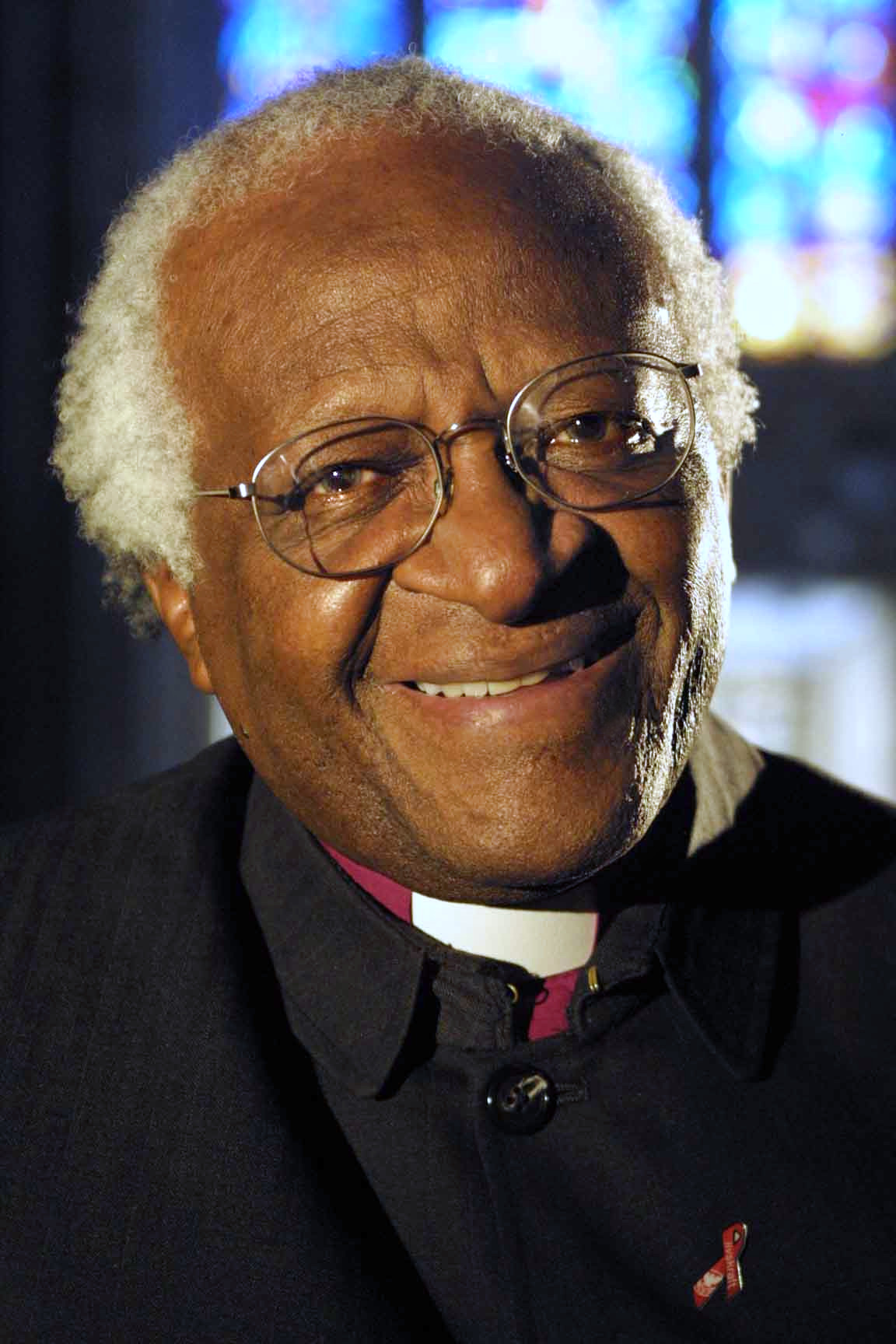
Beyond the anonymous artisans who craft ballet's iconic skirts, the surname Tutu is indelibly linked to Archbishop Desmond Tutu. He was a pivotal figure in South Africa's struggle against apartheid. His theological journey led him to hold significant positions, including Bishop of Johannesburg (1985-1986) and Archbishop of Cape Town (1986-1996), becoming the first Black African to hold both roles. His activism extended beyond South Africa, advocating for human rights and peace globally. In the realm of ballet, while individual tutu makers are rarely celebrated, legendary dancers like Anna Pavlova and Dame Margot Fonteyn became icons through their performances in tutus, solidifying the garment's place in dance history. Organizations like the Royal Ballet and the New York City Ballet continue to commission and showcase tutus as central to their repertoire.
🌍 Cultural Impact & Influence
The tutu's cultural impact is profound, transcending the stage to become a symbol of femininity, grace, and artistic dedication. The tutu has been immortalized in countless films, photographs, and artworks, often representing the pinnacle of balletic achievement. The image of a ballerina in a tutu is instantly recognizable and frequently used in popular culture to evoke themes of beauty, discipline, and dreams. For Archbishop Desmond Tutu, his surname became synonymous with moral courage and the fight for justice. His advocacy for reconciliation and human rights earned him global admiration and cemented his legacy as a moral compass for the 20th and 21st centuries. His influence can be seen in ongoing global movements for social justice and human dignity, inspired by his unwavering commitment to peace and equality. The juxtaposition of these two prominent 'Tutus' highlights the name's capacity to represent both delicate artistry and unyielding principle.
⚡ Current State & Latest Developments
In the world of ballet, the creation and use of tutus continue to evolve, with advancements in materials and design. Innovations in lightweight, durable fabrics and sustainable manufacturing processes are becoming increasingly important. Companies are exploring 3D printing and other digital fabrication techniques for intricate embellishments. For the legacy of Desmond Tutu, his influence persists through the Desmond Tutu Peace Foundation and various human rights organizations that continue his work. Discussions around restorative justice and reconciliation remain central to global dialogues, with Tutu's principles serving as a guiding framework. The ongoing pursuit of social justice in South Africa and worldwide continues to draw inspiration from his life and teachings, ensuring his impact remains relevant in 2024 and beyond.
🤔 Controversies & Debates
The primary 'controversy' surrounding the ballet tutu is less about debate and more about the intense labor and cost involved in its creation, often leading to discussions about fair wages for costume makers. Some critics also point to the historical gendered nature of the garment, though its evolution has seen it embraced by dancers of all genders in contemporary contexts. Regarding Desmond Tutu, while widely revered, his outspokenness on certain political and social issues, particularly later in his life, sometimes drew criticism from opposing political factions. However, the overwhelming consensus is one of profound respect for his moral leadership and his role in dismantling apartheid. Debates around the effectiveness and implementation of restorative justice models, which Tutu championed, continue in academic and policy circles, exploring their applicability beyond transitional justice contexts.
🔮 Future Outlook & Predictions
The future of the ballet tutu will likely see further integration of technology, with potential for smart fabrics and augmented reality elements in performance costumes. Sustainability will also play a larger role, driving innovation in eco-friendly materials and production methods. The legacy of Desmond Tutu is set to endure through educational initiatives and continued advocacy for peace and human rights. Future generations will likely study his methods of reconciliation and non-violent resistance as crucial tools for conflict resolution. The ongoing global pursuit of equality and justice will undoubtedly continue to reference his profound contributions, ensuring his name remains a beacon of hope and a call to action for decades to come.
💡 Practical Applications
The ballet tutu's practical application is, of course, performance. It is an essential costume for classical ballets like Giselle, Don Quixote, and La Bayadère, enabling dancers to execute complex choreography with visual clarity and aesthetic appeal. Beyond the stage, tutus are widely used in dance education, costume parties, and fashion. For Desmond Tutu, his 'practical application' was the active pursuit of justice and reconciliation. He applied his theological understanding and moral authority to mediate conflicts, chair commissions of inquiry, and advocate for the marginalized. His work with the Truth and Reconciliation Commission provided a tangible model for addressing past atrocities and fostering national healing, a practical application of his principles that has influenced similar processes globally.
Key Facts
- Category
- culture
- Type
- topic