
Contents
- 📺 What It Is & Who It's For
- 🌍 Gilead: The World of the Series
- ⚖️ Thematic Resonance & Controversy
- 🎬 Behind the Scenes: Adaptation & Production
- 🌟 Critical Reception & Vibe Score
- 📈 Impact & Influence Flows
- 🤔 Where It's Going: Future Seasons & Speculation
- 💡 Key Takeaways for the Discerning Viewer
- Frequently Asked Questions
- Related Topics
Overview
The Handmaid's Tale is a dystopian drama series based on Margaret Atwood's seminal 1985 novel of the same name. It plunges viewers into the oppressive totalitarian society of Gilead, a former United States where fertile women, known as Handmaids, are forced into sexual servitude to repopulate a declining world. This series is not for the faint of heart; it's a visceral, often brutal, exploration of subjugation, resistance, and the fragility of human rights. If you're drawn to unflinching social commentary, complex character studies, and narratives that grapple with profound ethical questions, this is a must-watch. Its Vibe Score of 88/100 reflects its intense cultural energy and widespread discussion.
🌍 Gilead: The World of the Series
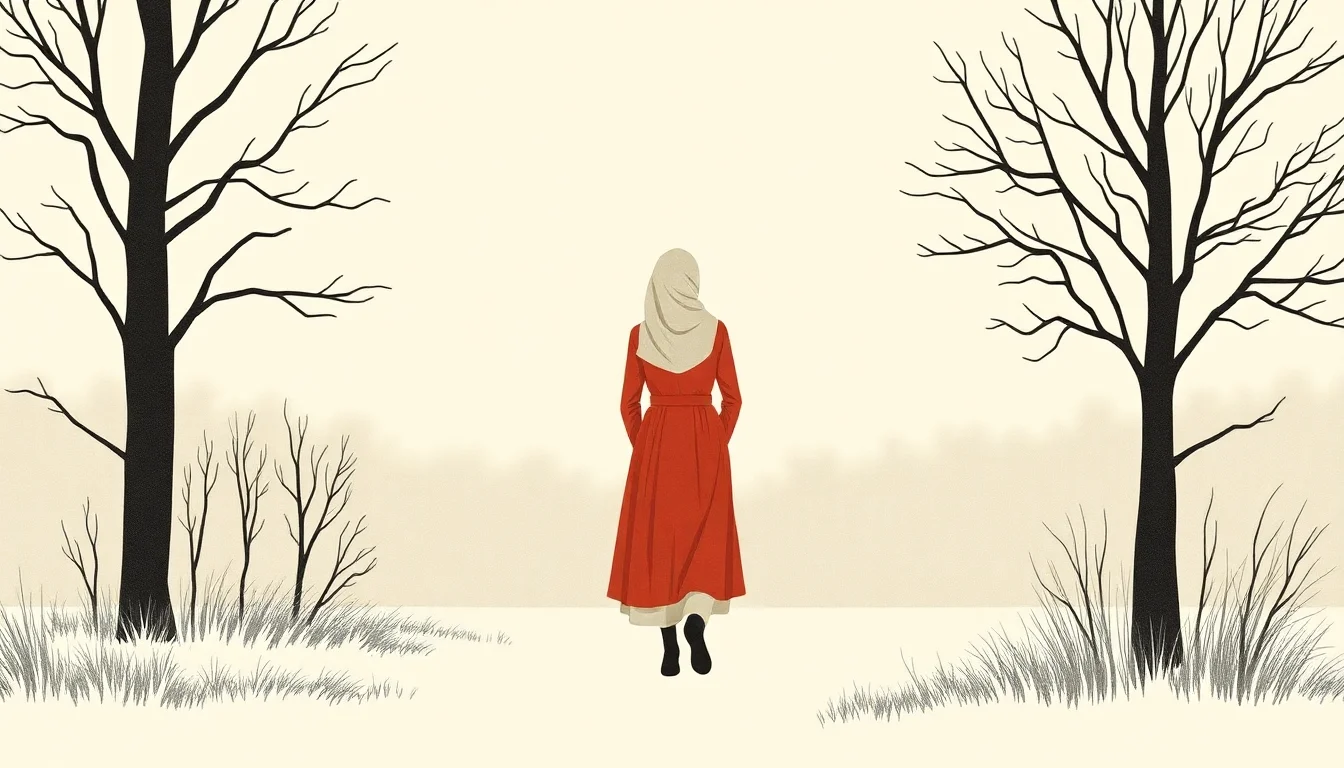
Gilead, the fictional theocratic state at the heart of the series, is meticulously crafted, drawing on historical precedents of patriarchal control and religious extremism. The society is rigidly stratified, with Commanders, their Wives, Aunts, Marthas, and the Handmaids occupying distinct, often brutal, roles. The visual language of Gilead, particularly the iconic red robes of the Handmaids and the stark, muted tones of the ruling class, is as crucial to its storytelling as the dialogue. Understanding the internal logic of Gilead, however disturbing, is key to appreciating the characters' struggles and the series' chilling plausibility. The series effectively visualizes the anxieties surrounding reproductive rights and authoritarianism.
⚖️ Thematic Resonance & Controversy
The series has ignited widespread debate since its debut, particularly concerning its depiction of gender inequality, religious extremism, and political oppression. While many laud its powerful portrayal of female resilience and its prescient warnings about societal regression, others have critiqued its graphic violence and the emotional toll it takes on viewers. The controversy spectrum for The Handmaid's Tale leans heavily towards 'Highly Contested,' with discussions frequently touching upon its relevance to contemporary political movements and the ongoing fight for women's rights. The show's visual cues, like the Handmaid costumes appearing at protests, underscore its potent symbolic power.
🎬 Behind the Scenes: Adaptation & Production
Developed for television by Bruce Miller, the series is a faithful yet expansive adaptation of Atwood's novel. The production design, costume design, and cinematography are consistently lauded for their immersive quality, creating a world that feels both alien and disturbingly familiar. Elisabeth Moss delivers a tour-de-force performance as June Osborne/Offred, anchoring the series with her raw portrayal of survival and defiance. The creative team has consistently strived to maintain the novel's thematic integrity while expanding the narrative universe, introducing new characters and plotlines that deepen the exploration of Gilead's inner workings and its impact on individuals. The series' visual storytelling is a masterclass in dystopian fiction aesthetics.
🌟 Critical Reception & Vibe Score
The Handmaid's Tale has garnered significant critical acclaim, earning numerous awards including multiple Primetime Emmy Awards for Outstanding Drama Series and Outstanding Lead Actress for Elisabeth Moss. Critics have praised its compelling narrative, powerful performances, and its unflinching examination of difficult themes. Its Vibe Score of 88/100 signifies its considerable cultural impact and the sustained buzz surrounding each new season. While some critics have pointed to pacing issues in later seasons, the overall consensus remains that the series is a masterfully crafted and deeply affecting piece of television that continues to provoke thought and discussion.
📈 Impact & Influence Flows
The influence of The Handmaid's Tale extends far beyond the screen. Its imagery, particularly the red cloak and white bonnet, has become a global symbol of protest against patriarchal oppression and has been adopted by activists worldwide, from marches for reproductive freedom to demonstrations against political policies. The series has demonstrably amplified conversations around the very issues it portrays, contributing to a heightened awareness of potential societal dangers. This influence flow is a clear indicator of its Vibe Score and its status as a significant cultural touchstone in the 21st century, impacting discussions on feminism and political discourse.
🤔 Where It's Going: Future Seasons & Speculation
As of its latest seasons, the future of The Handmaid's Tale remains a subject of intense speculation. While the series has moved beyond the scope of Atwood's original novel, it continues to explore the ramifications of Gilead's rise and the ongoing resistance against it. Future seasons are expected to delve deeper into the international response to Gilead, the fate of key characters, and the potential for a more widespread societal upheaval. The narrative arc suggests a continued focus on the long, arduous fight for freedom, with the ultimate outcome still very much in question. The series' trajectory suggests a continued exploration of resistance movements and the enduring human spirit.
💡 Key Takeaways for the Discerning Viewer
For viewers considering diving into The Handmaid's Tale, be prepared for an intense and emotionally demanding experience. The series is characterized by its stark realism and unflinching portrayal of violence and trauma, so pacing yourself and being mindful of your own emotional capacity is advisable. Familiarize yourself with the core concepts of Gilead and its social hierarchy before starting, as the world-building is dense and crucial to understanding the characters' motivations. If you appreciate thought-provoking, character-driven dramas that tackle significant social and political issues head-on, this series will undoubtedly leave a lasting impression. Consider exploring Margaret Atwood's original novel for a deeper understanding of the source material.
Key Facts
- Year
- 2017
- Origin
- Based on Margaret Atwood's 1985 novel of the same name.
- Category
- Television Series
- Type
- TV Show
Frequently Asked Questions
Is The Handmaid's Tale based on a true story?
No, The Handmaid's Tale is a work of fiction, though it draws heavily on historical precedents and contemporary anxieties. Margaret Atwood has stated that the events depicted in the novel are things that have happened or could conceivably happen in the real world, making its themes particularly resonant and disturbing. The series meticulously visualizes these potential societal dangers.
Where can I watch The Handmaid's Tale?
The series is an Hulu original in the United States, meaning it is exclusively available on the Hulu streaming platform. International distribution varies by region, often appearing on platforms like Crave in Canada or Channel 4 in the UK. Always check your local streaming availability for the most accurate viewing options.
How many seasons of The Handmaid's Tale are there?
As of late 2023, there have been five seasons of The Handmaid's Tale released. The series has been renewed for a sixth and final season, which is expected to conclude the story. Each season expands upon the narrative established in Margaret Atwood's novel.
What is the significance of the red robes?
The iconic red robes worn by the Handmaids are a powerful visual symbol within the series and in real-world protests. They represent fertility, blood, and the Handmaids' forced role in reproduction. The stark contrast of the red against the muted colors of Gilead society highlights their unique and oppressed status, making them a visible target and a symbol of resistance.
Is The Handmaid's Tale suitable for all viewers?
Due to its graphic depictions of violence, sexual assault, and psychological torment, The Handmaid's Tale is intended for mature audiences. It contains scenes that are deeply disturbing and emotionally challenging. Viewers should be aware of the intense nature of the content before engaging with the series.
What is the Vibe Score for The Handmaid's Tale?
The Handmaid's Tale has a Vibe Score of 88/100. This high score reflects its significant cultural impact, the intensity of discussions it generates, and its status as a prominent piece of contemporary television that resonates deeply with audiences and critics alike.