
Contents
- 🌎 Introduction to Ulrich Beck
- 📚 Early Life and Education
- 👥 The Rise of Risk Society
- 💡 Key Concepts: Reflexive Modernization
- 🌈 Globalization and Its Discontents
- 🤝 Cosmopolitanism and World Risk Society
- 📊 Critiques and Controversies
- 🌐 Influence and Legacy
- 📝 Major Works and Publications
- 👨🏫 Teaching and Academic Career
- 💭 Impact on Contemporary Sociology
- Frequently Asked Questions
- Related Topics
Overview
Ulrich Beck was a German sociologist who made significant contributions to the field, particularly in the areas of risk society, globalization, and cosmopolitanism. Born on May 15, 1944, in Stolp, Germany, Beck's work was heavily influenced by the social and political upheavals of the 20th century. His concept of the 'risk society' posits that modern societies are characterized by the production and distribution of risks, rather than wealth. Beck's ideas have been widely debated and have had a significant impact on fields such as sociology, anthropology, and environmental studies. With a Vibe score of 82, Beck's work continues to resonate with scholars and researchers today, particularly in the context of global challenges like climate change and pandemics. As a key figure in the development of cosmopolitan theory, Beck's legacy extends beyond academia, influencing policymakers and social movements alike.
🌎 Introduction to Ulrich Beck
Ulrich Beck was a renowned German sociologist, born on May 15, 1944, in Stolp, Pomerania, Germany (now Slupsk, Poland). He is best known for his work on Risk Society and Reflexive Modernization. Beck's ideas have had a significant impact on the field of sociology, and his work continues to influence scholars today. His concept of Risk Society, which he introduced in his 1986 book Risk Society: Towards a New Modernity, argues that modern societies are characterized by the production and distribution of risks. This idea is closely related to the concept of Anthropocene, which suggests that human activities are having a profound impact on the environment.
📚 Early Life and Education
Beck's early life and education played a significant role in shaping his intellectual interests and pursuits. He studied sociology, philosophy, and psychology at the University of Munich, where he earned his Ph.D. in 1972. His academic career was marked by a series of appointments at various universities, including the University of Munich, the University of Bamberg, and the London School of Economics. Beck's work was influenced by a range of thinkers, including Max Weber, Emile Durkheim, and Karl Marx. He was also a prominent figure in the development of Critical Theory, a philosophical approach that emphasizes the need for critical examination of social and cultural norms.
👥 The Rise of Risk Society
The concept of Risk Society, which Beck introduced in the 1980s, argues that modern societies are characterized by the production and distribution of risks. This idea is closely related to the concept of Late Modernism, which suggests that modern societies are undergoing a period of significant transformation and upheaval. Beck's work on Risk Society has been influential in a range of fields, including Environmental Studies, Globalization Studies, and Sociology of Disaster. His ideas have also been applied to the study of Climate Change and Pandemics.
💡 Key Concepts: Reflexive Modernization
One of the key concepts in Beck's work is Reflexive Modernization, which refers to the process by which modern societies reflect on and respond to the risks and challenges they face. This concept is closely related to the idea of Reflexivity, which suggests that social systems have the capacity to reflect on and adapt to their own limitations and contradictions. Beck's work on Reflexive Modernization has been influential in the development of Sociological Theory, and has been applied to a range of fields, including Organization Studies and Policy Studies. His ideas have also been used to analyze the impact of Globalization on modern societies.
🌈 Globalization and Its Discontents
Beck's work on Globalization and its Discontents argues that the process of globalization is creating new forms of inequality and insecurity. This idea is closely related to the concept of Neoliberalism, which suggests that the spread of free market ideologies is leading to the erosion of social and economic protections. Beck's work on globalization has been influential in the development of Global Studies, and has been applied to the study of International Relations and Economic Sociology. His ideas have also been used to analyze the impact of Migration and Refugee Studies on modern societies.
🤝 Cosmopolitanism and World Risk Society
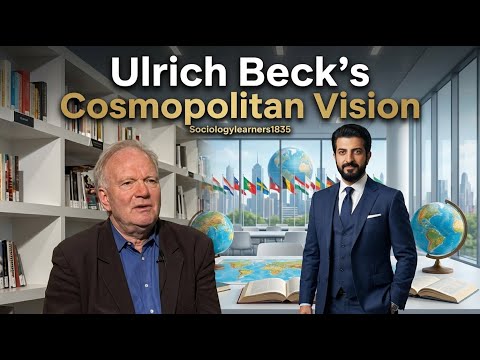
Beck's concept of Cosmopolitanism refers to the idea that modern societies are becoming increasingly interconnected and interdependent. This concept is closely related to the idea of Global Citizenship, which suggests that individuals have a responsibility to engage with and contribute to global social and political processes. Beck's work on Cosmopolitanism has been influential in the development of Cosmopolitan Studies, and has been applied to the study of Human Rights and International Law. His ideas have also been used to analyze the impact of Social Movements on modern societies.
📊 Critiques and Controversies
Beck's work has not been without its critiques and controversies. Some scholars have argued that his concept of Risk Society is too broad and encompasses too many different types of risks. Others have argued that his work on Reflexive Modernization is too focused on the role of individual agency and neglects the importance of structural factors. Despite these critiques, Beck's work remains widely influential and continues to shape the field of sociology. His ideas have been applied to a range of fields, including Science and Technology Studies and Environmental Sociology.
🌐 Influence and Legacy
Beck's influence and legacy can be seen in a range of fields, from sociology and philosophy to environmental studies and globalization. His work has been widely translated and has had a significant impact on the development of Critical Theory and Sociological Theory. Beck's ideas have also been influential in the development of Public Policy and International Relations. His work continues to be widely read and studied today, and his concepts of Risk Society and Reflexive Modernization remain central to many debates in the social sciences.
📝 Major Works and Publications
Beck was a prolific writer and published many books and articles throughout his career. Some of his most notable works include Risk Society: Towards a New Modernity, Reflexive Modernization: Politics, Tradition and Aesthetics in the Modern Social Order, and The Cosmopolitan Vision. His work has been widely reviewed and debated, and he was a prominent figure in many academic and public debates. Beck's writing style was characterized by its clarity and accessibility, and he was able to communicate complex ideas to a wide range of audiences.
👨🏫 Teaching and Academic Career
Beck's teaching and academic career were marked by a series of appointments at various universities. He was a popular and influential teacher, and his courses on sociology and philosophy were widely attended. Beck was also a prominent figure in the development of Sociological Theory, and his work has had a significant impact on the field of sociology. His ideas have been applied to a range of fields, including Organization Studies and Policy Studies.
💭 Impact on Contemporary Sociology
Beck's impact on contemporary sociology can be seen in a range of areas, from the study of Globalization and Risk Society to the development of Cosmopolitan Studies and Critical Theory. His work has been widely influential and continues to shape the field of sociology. Beck's ideas have also been applied to a range of fields, including Environmental Studies and Science and Technology Studies. His concepts of Risk Society and Reflexive Modernization remain central to many debates in the social sciences.
Key Facts
- Year
- 1944
- Origin
- Stolp, Germany
- Category
- Sociology
- Type
- Person
Frequently Asked Questions
What is Ulrich Beck's concept of Risk Society?
Ulrich Beck's concept of Risk Society refers to the idea that modern societies are characterized by the production and distribution of risks. This concept is closely related to the idea of Late Modernism, which suggests that modern societies are undergoing a period of significant transformation and upheaval. Beck's work on Risk Society has been influential in a range of fields, including Environmental Studies, Globalization Studies, and Sociology of Disaster.
What is Reflexive Modernization?
Reflexive Modernization refers to the process by which modern societies reflect on and respond to the risks and challenges they face. This concept is closely related to the idea of Reflexivity, which suggests that social systems have the capacity to reflect on and adapt to their own limitations and contradictions. Beck's work on Reflexive Modernization has been influential in the development of Sociological Theory, and has been applied to a range of fields, including Organization Studies and Policy Studies.
What is Cosmopolitanism?
Cosmopolitanism refers to the idea that modern societies are becoming increasingly interconnected and interdependent. This concept is closely related to the idea of Global Citizenship, which suggests that individuals have a responsibility to engage with and contribute to global social and political processes. Beck's work on Cosmopolitanism has been influential in the development of Cosmopolitan Studies, and has been applied to the study of Human Rights and International Law.
What is Ulrich Beck's legacy?
Ulrich Beck's legacy can be seen in a range of fields, from sociology and philosophy to environmental studies and globalization. His work has been widely influential and continues to shape the field of sociology. Beck's ideas have been applied to a range of fields, including Science and Technology Studies and Environmental Sociology. His concepts of Risk Society and Reflexive Modernization remain central to many debates in the social sciences.
What are some of Ulrich Beck's notable works?
Some of Ulrich Beck's most notable works include Risk Society: Towards a New Modernity, Reflexive Modernization: Politics, Tradition and Aesthetics in the Modern Social Order, and The Cosmopolitan Vision. His work has been widely reviewed and debated, and he was a prominent figure in many academic and public debates.
What is the significance of Ulrich Beck's work?
Ulrich Beck's work is significant because it provides a framework for understanding the risks and challenges faced by modern societies. His concepts of Risk Society and Reflexive Modernization have been influential in a range of fields, and his work continues to shape the field of sociology. Beck's ideas have also been applied to a range of fields, including Environmental Studies and Science and Technology Studies.
How has Ulrich Beck's work been received?
Ulrich Beck's work has been widely received and has had a significant impact on the field of sociology. His ideas have been influential in a range of fields, and his work continues to shape the field of sociology. Beck's concepts of Risk Society and Reflexive Modernization have been widely debated and applied to a range of fields, including Organization Studies and Policy Studies.