
Contents
Overview
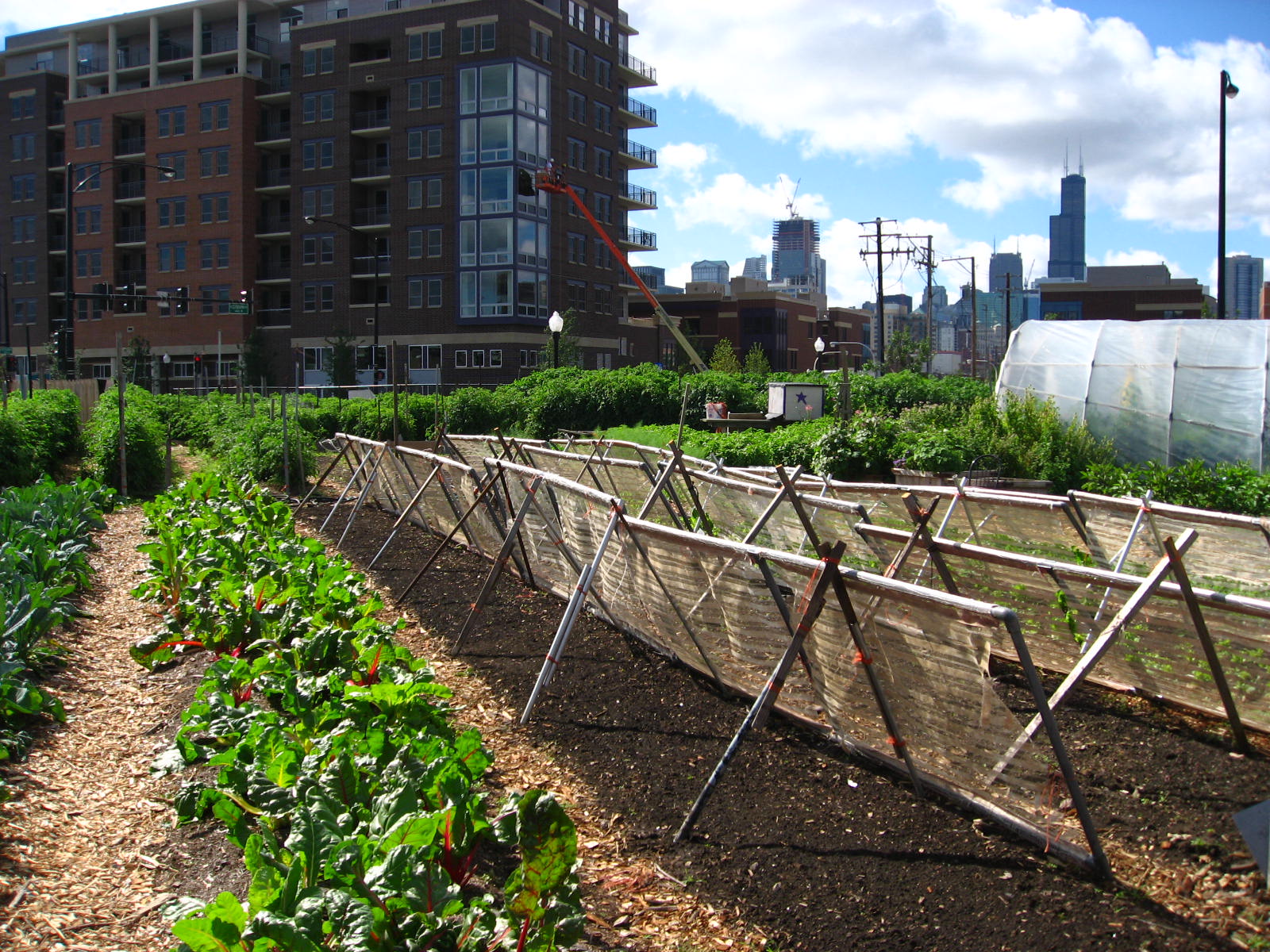
Urban farming encompasses a diverse array of techniques designed to grow food within city limits, transforming underutilized urban spaces into productive agricultural hubs. These methods range from traditional soil-based gardening on rooftops and vacant lots to highly engineered systems like vertical farms and hydroponic setups. The primary drivers for urban farming include enhancing food security, reducing food miles, improving access to fresh produce, and fostering community engagement. While facing challenges such as soil contamination and space constraints, innovative approaches are continuously emerging, pushing the boundaries of what's possible in agricultural production within densely populated environments. The global scale of urban agriculture is significant, with millions of urban dwellers participating in food production, contributing to a growing movement towards more sustainable and localized food systems.
🎵 Origins & History
The concept of growing food in urban settings is far from new, with historical precedents stretching back to ancient civilizations. Roman cities featured rooftop gardens, and during wartime, "victory gardens" were common in cities across Europe and North America to supplement food supplies. The modern resurgence of urban farming gained momentum in the late 20th century, fueled by growing concerns about food miles, environmental sustainability, and food deserts. The rise of community gardens in the 1980s and 1990s also laid crucial groundwork for contemporary urban farming practices.
⚙️ How It Works
Urban farming techniques leverage a variety of methods to maximize food production in limited spaces. Hydroponic systems grow plants in nutrient-rich water without soil, often in vertically stacked layers. Aquaponic systems combine hydroponics with aquaculture, where fish waste provides nutrients for plants, and plants filter the water for fish. Aeroponic systems suspend plant roots in the air and mist them with nutrient solutions, requiring minimal water. Vertical farms utilize controlled environments, often indoors, with artificial lighting and stacked growing levels to achieve high yields per square foot. Rooftop gardens and community gardens utilize existing urban surfaces, often employing traditional soil-based methods or raised beds to mitigate potential soil contamination. Container gardening is also prevalent, allowing for flexibility and mobility of crops.
📊 Key Facts & Numbers
Vertical farms have seen investments soar. These systems can achieve yields up to 100 times greater than traditional agriculture per acre, with some facilities producing over 1 million pounds of produce annually. Rooftop farms, such as Brooklyn Grange in New York City, can harvest tens of thousands of pounds of vegetables from a single rooftop.
👥 Key People & Organizations
Numerous individuals and organizations have been instrumental in advancing urban farming techniques. Companies like AeroFarms and Iron Oak Farms are at the forefront of aeroponics and vertical farming technology. Non-profits such as the American Community Gardening Association advocate for and support community-based urban agriculture initiatives. City governments, like those in Detroit, have actively promoted urban farming through policy changes and land redistribution programs, recognizing its potential for economic development and food access.
🌍 Cultural Impact & Influence
Urban farming techniques have profoundly influenced urban culture and community life. They foster a sense of local identity and connection to food sources, often leading to the formation of strong community bonds through shared gardening spaces and farmers' markets. The "locavore" movement, advocating for consumption of locally sourced food, has been significantly bolstered by the availability of urban-grown produce. Furthermore, urban farms serve as educational hubs, teaching residents about sustainable agriculture, nutrition, and environmental stewardship. The aesthetic of green spaces emerging in concrete landscapes has also contributed to a renewed appreciation for nature within cities, impacting urban design and public space utilization.
⚡ Current State & Latest Developments
The current landscape of urban farming is characterized by rapid technological advancement and increasing adoption. Investments in controlled environment agriculture (CEA), which includes vertical farming and hydroponics, continue to climb, driven by demand for resilient food systems. Companies are refining LED lighting technologies for optimal plant growth and reducing energy consumption. Automation and AI are being integrated into vertical farms to monitor crop health, optimize resource allocation, and streamline harvesting. Pilot projects exploring insect farming for protein production in urban environments are also gaining traction, alongside advancements in rooftop farming techniques that integrate solar power and water harvesting. The expansion of urban agriculture into former industrial zones, often requiring remediation of soil contamination, remains a key development area.
🤔 Controversies & Debates
Urban farming techniques are not without their controversies and debates. A primary concern revolves around the energy consumption of vertical farms, particularly their reliance on artificial lighting and climate control systems, raising questions about their overall environmental footprint compared to traditional agriculture. The high startup costs for sophisticated systems like vertical farms also lead to debates about accessibility and equity, with critics arguing they primarily benefit affluent communities. Soil contamination in urban plots remains a persistent challenge, requiring rigorous testing and remediation strategies to ensure food safety, a topic heavily debated by public health officials and urban planners. Furthermore, the economic viability of many urban farms, especially smaller community-based initiatives, is often precarious, leading to discussions about sustainable business models and public funding.
🔮 Future Outlook & Predictions
The future of urban farming techniques points towards greater integration into the urban fabric and more sophisticated technological applications. Experts predict a continued rise in vertical farming capacity, potentially supplying a significant portion of leafy greens and herbs to urban populations. Innovations in biotechnology may lead to the development of crops specifically optimized for urban environments. The concept of "agritecture" – the seamless integration of agriculture into building design – is expected to become more common, with farms incorporated into residential, commercial, and industrial structures. Furthermore, advancements in circular economy principles will likely see urban farms more closely integrated with waste management systems, utilizing composted organic waste and recycled water. The development of decentralized, modular farming units could also democratize access to food production technology.
💡 Practical Applications
Urban farming techniques have a wide range of practical applications that directly benefit city dwellers and urban economies. They are crucial for improving food access in food deserts, providing fresh, nutritious produce to underserved communities. Rooftop farms and vertical farms are used commercially to supply restaurants, grocery stores, and direct-to-consumer markets with hyper-local ingredients, reducing transportation costs and spoilage. Educational institutions utilize urban farms as living laboratories for teaching science and sustainability principles. Community gardens offer therapeutic benefits and social cohesion. Furthermore, urban farms can help mitigate the urban heat island effect, improve air quality, and manage stormwater runoff, contributing to a more resilient urban ecosystem.
Key Facts
- Category
- technology
- Type
- topic