
Contents
Overview
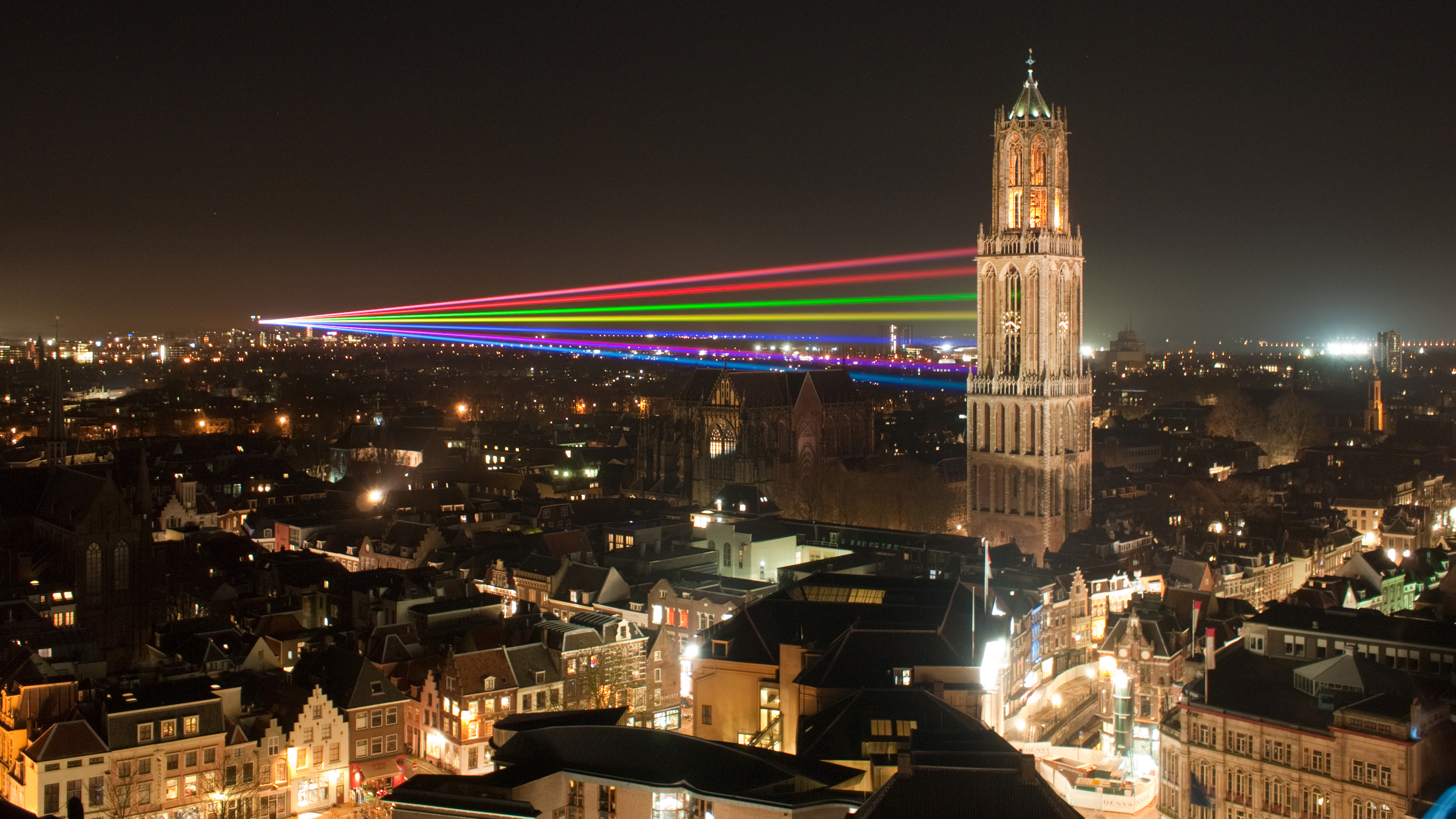
Utrecht's story begins not with a single founding moment, but a gradual ascent from Roman outpost to ecclesiastical powerhouse. The Romans established a fort, Castellum Trajectum, around 47 AD on the banks of the Rhine, a strategic point that would define the city's future. By the 8th century, Saint Willibrord established a bishopric here, transforming Utrecht into the spiritual heart of the Netherlands, a role it maintained for centuries. This religious significance cemented its importance, leading to the construction of the magnificent Dom Cathedral, whose tower, the Dom Tower, still dominates the skyline. The city's political destiny was irrevocably altered in 1579 with the signing of the Union of Utrecht, a pivotal pact that laid the groundwork for the Dutch Republic and its subsequent independence from Spanish rule. Though it eventually ceded its status as the most populous city to Amsterdam during the Dutch Golden Age, Utrecht's historical weight as a center of power and faith remains undeniable.
⚙️ How It Works
Utrecht functions as a complex, multi-layered urban organism, driven by its robust educational sector, efficient infrastructure, and a unique urban design philosophy. At its core is Utrecht University, established in 1636, which anchors the city's intellectual life and attracts a significant international student body, fostering a youthful and dynamic atmosphere. The city's physical layout is characterized by its distinctive wharf cellars along the Oudegracht canal, a medieval architectural marvel that now houses shops and restaurants, creating a vibrant street-level experience. Its transportation network is a masterclass in urban mobility, particularly its world-renowned cycling infrastructure, which prioritizes cyclists with extensive networks of dedicated paths and innovative bike parking solutions, such as the massive Stationsplein bicycle parking garage. This integrated approach ensures that the city operates smoothly, balancing historical preservation with modern functionality.
📊 Key Facts & Numbers
Utrecht is a city of significant scale and demographic weight. The city covers an area of 99.32 square kilometers, a relatively compact space for its substantial population. Utrecht University, one of the largest in the Netherlands, enrolls over 37,000 students, contributing to the city's vibrant academic milieu. In terms of economic activity, Utrecht is a major hub, with a significant portion of its workforce employed in the service sector, particularly in knowledge-intensive industries. The city's cycling infrastructure is unparalleled, boasting over 400 kilometers of dedicated bike lanes and the world's largest indoor bicycle parking facility, capable of holding over 12,500 bikes.
👥 Key People & Organizations
The narrative of Utrecht is shaped by a constellation of influential figures and institutions. Jan van Zanen, and more recently Sharon Dijksma, have served as mayors, guiding the city's administrative and developmental trajectory. Utrecht University stands as a cornerstone of the city's identity, founded in 1636 and consistently ranked among the top universities globally. The Dom Cathedral, a monumental Gothic structure, and its associated Dom Tower, are physical embodiments of the city's deep religious and architectural history, with figures like Saint Willibrord instrumental in its early ecclesiastical establishment. The Dutch Republic itself owes a foundational debt to the Union of Utrecht, signed within the city's walls in 1579, a pivotal moment in the nation's formation.
🌍 Cultural Impact & Influence
Utrecht's cultural resonance extends far beyond its borders, influencing urban planning, religious discourse, and artistic expression. Historically, it served as the undisputed religious center of the Netherlands for centuries, shaping the spiritual landscape of the region. The Union of Utrecht in 1579 was a watershed moment, not only for the Netherlands but also for the broader concept of republican governance in Europe. Today, Utrecht is a global exemplar of sustainable urban living, particularly its pioneering approach to cycling. The city's extensive network of bike paths and innovative parking solutions have inspired countless other cities worldwide to re-evaluate their transportation policies and prioritize non-motorized transit. Furthermore, the presence of Utrecht University fosters a rich cultural ecosystem, with numerous museums, theaters, and music venues contributing to a lively arts scene that attracts both locals and international visitors.
⚡ Current State & Latest Developments
In 2024 and 2025, Utrecht continues to solidify its reputation as a forward-thinking and livable city. The ongoing expansion and optimization of its cycling infrastructure remain a top priority, with projects like the further development of the Stationsplein bicycle parking facility aiming to accommodate the ever-growing number of cyclists. Utrecht University is at the forefront of research in various fields, including climate science and artificial intelligence, contributing to the city's status as a knowledge hub. The municipality is also actively engaged in sustainable urban development initiatives, focusing on green energy, smart city technologies, and affordable housing solutions. Recent reports highlight Utrecht's consistent ranking among the most livable cities in Europe, underscoring its success in balancing economic growth with quality of life and environmental consciousness.
🤔 Controversies & Debates
The most persistent debate surrounding Utrecht often centers on the delicate balance between preserving its rich medieval heritage and accommodating modern urban expansion. While the city is lauded for its well-maintained historic center, critics sometimes argue that stringent preservation regulations can stifle contemporary architectural innovation and limit the development of new public spaces. Another point of contention, though less pronounced given Utrecht's progressive stance, can arise around the implementation of new urban planning policies, such as traffic restrictions or housing developments, which may face opposition from specific resident groups concerned about immediate impacts on their neighborhoods. Furthermore, the city's success as a cycling hub, while celebrated, occasionally sparks discussions about the equitable distribution of public space between cyclists, pedestrians, and motorists, particularly during peak hours.
🔮 Future Outlook & Predictions
The future of Utrecht appears poised for continued growth and innovation, particularly in its role as a leader in sustainable urbanism and knowledge-based economies. Projections suggest that the city's population will continue to rise, necessitating further investment in housing and infrastructure, with a strong emphasis on green building practices and public transportation. Utrecht is likely to remain at the vanguard of cycling innovation, potentially experimenting with autonomous cycling solutions or advanced traffic management systems for bikes. Its role as an educational and research powerhouse, anchored by Utrecht University, will likely expand, attracting more international talent and fostering advancements in fields like renewable energy and digital technologies. The city's strategic location within the Randstad conurbation also positions it for continued economic influence within the broader European Union.
💡 Practical Applications
Utrecht's unique characteristics lend themselves to a variety of practical applications and serve as a model for other urban centers. Its comprehensive cycling infrastructure, including the massive bicycle parking garages at Utrecht Central Station, provides a blueprint for cities worldwide seeking to reduce traffic congestion and carbon emissions. The city's innovative approach to integrating historical wharf cellars into modern commercial spaces, as seen along the Oudegracht canal, offers a template for adaptive reuse of heritage architecture. Furthermore, Utrecht's commitment to sustainable energy and smart city technol
Key Facts
- Category
- place
- Type
- topic