
Contents
- 🏞️ Introduction to Uttar Pradesh
- 🗺️ Geography and Climate
- 📊 Demographics and Population
- 🏛️ Politics and Administration
- 🕊️ Culture and Heritage
- 🎨 Arts and Architecture
- 📚 Education and Economy
- 🚂 Transportation and Infrastructure
- 👥 Social and Community Development
- 🌟 Tourism and Travel
- 📢 Media and Communication
- 🤝 International Relations and Diplomacy
- Frequently Asked Questions
- Related Topics
Overview
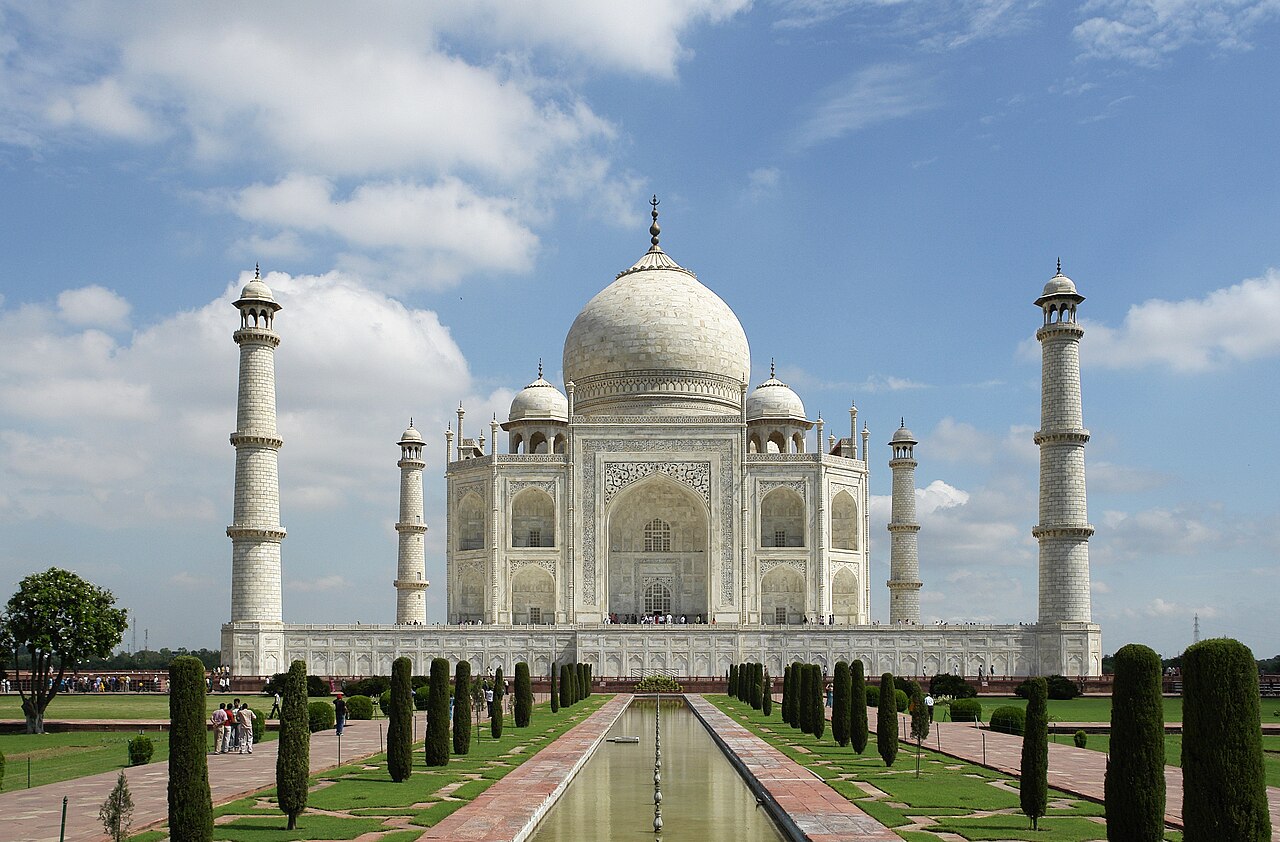
Uttar Pradesh, with a population of over 200 million people, is India's most populous state, accounting for approximately 16.5% of the country's total population. The state has a rich cultural heritage, with the ancient city of Varanasi, a major pilgrimage site for Hindus, and the Taj Mahal, one of the Seven Wonders of the World, located in Agra. Uttar Pradesh has been a significant player in Indian politics, with several prominent leaders, including Jawaharlal Nehru and Indira Gandhi, hailing from the state. However, the state also faces significant challenges, including poverty, corruption, and communal tensions. With a Vibe score of 62, Uttar Pradesh is a complex and dynamic entity, full of contradictions, from its vibrant cities to its rural landscapes. As the state continues to grow and evolve, it is likely to play an increasingly important role in shaping India's future, with major investments in infrastructure, education, and healthcare, and a growing influence on national politics, with a projected GDP growth rate of 8.5% by 2025.
🏞️ Introduction to Uttar Pradesh
Uttar Pradesh, located in the northern part of India, is the most populated state in the country with over 241 million inhabitants. It is bordered by several states including Rajasthan to the west, Haryana, Himachal Pradesh and Delhi to the northwest, Uttarakhand and Nepal to the north, Bihar to the east, Madhya Pradesh, Chhattisgarh and Jharkhand to the south. The state capital is Lucknow, while Prayagraj serves as the judicial capital. Uttar Pradesh is divided into 18 divisions and 75 districts, making it a significant contributor to India's population and economy. The state has a rich history and culture, with many notable landmarks and attractions, including the Taj Mahal and the Ganges River.
🗺️ Geography and Climate
The geography of Uttar Pradesh is diverse, with the state covering an area of 243,286 km2 (93,933 sq mi). It is the fourth-largest Indian state by area, accounting for 7.3 per cent of the total area of India. The state has a varied climate, with temperatures ranging from extreme heat in the summer to cold winters. The Himalayan Mountains to the north and the Ganges River flowing through the state have a significant impact on the climate and geography of Uttar Pradesh. The state is also home to several other notable rivers, including the Yamuna River and the Gomti River. The geography of the state has played a crucial role in shaping its culture, economy, and history. For example, the fertile plains of the Ganges River have made the state a major agricultural producer, with crops such as wheat, rice, and sugarcane being major contributors to the state's economy.
📊 Demographics and Population
Uttar Pradesh is the most populated state in India, with over 241 million inhabitants. The state accounts for 17% of the population of India and around 3% of the total world population. The population density of the state is approximately 828 people per square kilometer, making it one of the most densely populated states in the country. The population of Uttar Pradesh is diverse, with people from different castes, creeds, and religions living together. The state has a significant number of Hindus, Muslims, and Sikhs, with smaller populations of Christians, Buddhists, and Jains. The population of the state has been growing rapidly, with the state's population expected to continue to grow in the coming years. The state's population has a significant impact on its economy, with a large workforce contributing to the state's agricultural, industrial, and service sectors.
🏛️ Politics and Administration
The politics of Uttar Pradesh is complex, with the state being a significant contributor to India's political landscape. The state has 80 parliamentary constituencies and 403 assembly constituencies, making it a crucial state for any political party seeking to form a government at the national level. The state has been ruled by several political parties, including the Bharatiya Janata Party (BJP), the Indian National Congress (INC), and the Samajwadi Party (SP). The state has a long history of political instability, with frequent changes in government and a high level of political polarization. The state's politics has a significant impact on its economy, with the state's government playing a crucial role in shaping the state's economic policies. For example, the state's government has implemented several policies aimed at promoting industrial development, including the establishment of Special Economic Zones and the provision of incentives for businesses.
🕊️ Culture and Heritage
Uttar Pradesh has a rich cultural heritage, with the state being home to several notable landmarks and attractions. The state is known for its vibrant arts and crafts, with the state's artisans producing a wide range of handicrafts, including textiles, pottery, and wood carvings. The state is also home to several notable festivals, including the Kumbh Mela and the Navratri. The state's culture has been shaped by its history, with the state being ruled by several different empires and dynasties over the centuries. The state's culture has a significant impact on its economy, with tourism being a major contributor to the state's economy. The state's cultural heritage has also played a crucial role in shaping its identity, with the state's culture being a source of pride for its people.
🎨 Arts and Architecture
The arts and architecture of Uttar Pradesh are diverse, with the state being home to several notable landmarks and attractions. The state is known for its vibrant arts and crafts, with the state's artisans producing a wide range of handicrafts, including textiles, pottery, and wood carvings. The state is also home to several notable architectural landmarks, including the Taj Mahal and the Agra Fort. The state's arts and architecture have been shaped by its history, with the state being ruled by several different empires and dynasties over the centuries. The state's arts and architecture have a significant impact on its economy, with tourism being a major contributor to the state's economy. The state's arts and architecture have also played a crucial role in shaping its identity, with the state's culture being a source of pride for its people.
📚 Education and Economy
The education and economy of Uttar Pradesh are significant contributors to the state's development. The state has a large number of educational institutions, including universities, colleges, and schools. The state is home to several notable universities, including the University of Lucknow and the Aligarh Muslim University. The state's economy is diverse, with the state being a major producer of agricultural products, including wheat, rice, and sugarcane. The state is also home to several notable industries, including the textile industry and the sugar industry. The state's economy has a significant impact on its population, with the state's economy providing employment opportunities for its people.
🚂 Transportation and Infrastructure
The transportation and infrastructure of Uttar Pradesh are significant contributors to the state's development. The state has a well-developed transportation network, with the state being home to several notable airports, including the Chaudhary Charan Singh International Airport in Lucknow. The state is also home to several notable railway stations, including the Lucknow Railway Station and the Kanpur Railway Station. The state's infrastructure has a significant impact on its economy, with the state's transportation network providing access to markets and employment opportunities for its people.
🌟 Tourism and Travel
The tourism and travel industry of Uttar Pradesh are significant contributors to the state's economy. The state is home to several notable tourist attractions, including the Taj Mahal and the Agra Fort. The state's tourism industry has a significant impact on its economy, with tourism being a major contributor to the state's economy. The state's tourism industry has also played a crucial role in shaping its identity, with the state's culture being a source of pride for its people.
📢 Media and Communication
The media and communication of Uttar Pradesh are significant contributors to the state's development. The state has a large number of media outlets, including newspapers, television channels, and radio stations. The state's media and communication have a significant impact on its population, with the state's media outlets providing access to information and news for its people.
🤝 International Relations and Diplomacy
The international relations and diplomacy of Uttar Pradesh are significant contributors to the state's development. The state has a large number of international connections, including diplomatic missions and trade agreements. The state's international relations and diplomacy have a significant impact on its economy, with the state's international connections providing access to markets and employment opportunities for its people.
Key Facts
- Year
- 2023
- Origin
- India
- Category
- Geography, Politics, Culture
- Type
- State
Frequently Asked Questions
What is the capital of Uttar Pradesh?
The capital of Uttar Pradesh is Lucknow. The city is a significant cultural and economic center in the state, with a rich history and a diverse population. The city is home to several notable landmarks, including the Bara Imambara and the Chhota Imambara. The city's economy is diverse, with the city being a major producer of handicrafts, including textiles and pottery.
What is the population of Uttar Pradesh?
The population of Uttar Pradesh is over 241 million people. The state is the most populated state in India, accounting for 17% of the population of India and around 3% of the total world population. The state's population is diverse, with people from different castes, creeds, and religions living together. The state's population has a significant impact on its economy, with a large workforce contributing to the state's agricultural, industrial, and service sectors.
What are the major industries in Uttar Pradesh?
The major industries in Uttar Pradesh include the agriculture industry, the textile industry, and the sugar industry. The state is a major producer of agricultural products, including wheat, rice, and sugarcane. The state's textile industry is also significant, with the state being a major producer of handicrafts, including textiles and pottery. The state's sugar industry is also notable, with the state being a major producer of sugar.
What are the major tourist attractions in Uttar Pradesh?
The major tourist attractions in Uttar Pradesh include the Taj Mahal and the Agra Fort. The state is also home to several other notable landmarks, including the Fatehpur Sikri and the Varanasi. The state's tourism industry has a significant impact on its economy, with tourism being a major contributor to the state's economy. The state's tourism industry has also played a crucial role in shaping its identity, with the state's culture being a source of pride for its people.
What is the geography of Uttar Pradesh like?
The geography of Uttar Pradesh is diverse, with the state covering an area of 243,286 km2 (93,933 sq mi). The state is bordered by several states, including Rajasthan to the west, Haryana, Himachal Pradesh and Delhi to the northwest, Uttarakhand and Nepal to the north, Bihar to the east, Madhya Pradesh, Chhattisgarh and Jharkhand to the south. The state has a varied climate, with temperatures ranging from extreme heat in the summer to cold winters.
What is the culture of Uttar Pradesh like?
The culture of Uttar Pradesh is rich and diverse, with the state being home to several notable landmarks and attractions. The state is known for its vibrant arts and crafts, with the state's artisans producing a wide range of handicrafts, including textiles, pottery, and wood carvings. The state is also home to several notable festivals, including the Kumbh Mela and the Navratri. The state's culture has a significant impact on its economy, with tourism being a major contributor to the state's economy.
What is the history of Uttar Pradesh like?
The history of Uttar Pradesh is long and complex, with the state being ruled by several different empires and dynasties over the centuries. The state has a rich cultural heritage, with the state being home to several notable landmarks and attractions. The state's history has a significant impact on its culture, with the state's culture being shaped by its history. The state's history has also played a crucial role in shaping its identity, with the state's culture being a source of pride for its people.
👥 Social and Community Development
The social and community development of Uttar Pradesh are significant contributors to the state's development. The state has a large number of social and community organizations, including non-governmental organizations (NGOs) and community-based organizations (CBOs). The state's social and community development have a significant impact on its population, with the state's social and community organizations providing access to healthcare, education, and other essential services for its people.