
Contents
- 🎵 Origins & Precursors
- ⚙️ The Mechanics of Raiding and Settlement
- 📊 Scale and Impact of Invasions
- 👥 Key Figures and Peoples
- 🌍 Geographic Reach and Influence
- ⚡ The End of the Viking Age
- 🤔 Debates and Controversies
- 🔮 Legacy and Future Interpretations
- 💡 Lasting Imprints on Culture
- 📚 Further Exploration
- References
Overview
The roots of the Viking Age and its subsequent invasions are multifaceted, stretching back to the late Iron Age in Scandinavia. While the raid on Lindisfarne is often cited as the dramatic opening salvo, it was preceded by centuries of Norse seafaring, trade, and minor skirmishes. Factors such as a growing population in Scandinavia, the consolidation of power by chieftains, and the allure of the richer, more settled lands to the south and west provided the impetus for larger-scale expeditions. The development of advanced shipbuilding, particularly the iconic longship, was a critical technological precursor, enabling swift and deep penetration into enemy territories. Early Norse interactions were not solely aggressive; trade routes were already being established, as evidenced by finds of Norse artifacts in Eastern Europe and Byzantine coins in Scandinavia, suggesting a long-standing engagement with foreign cultures before the full fury of the invasions was unleashed.
⚙️ The Mechanics of Raiding and Settlement
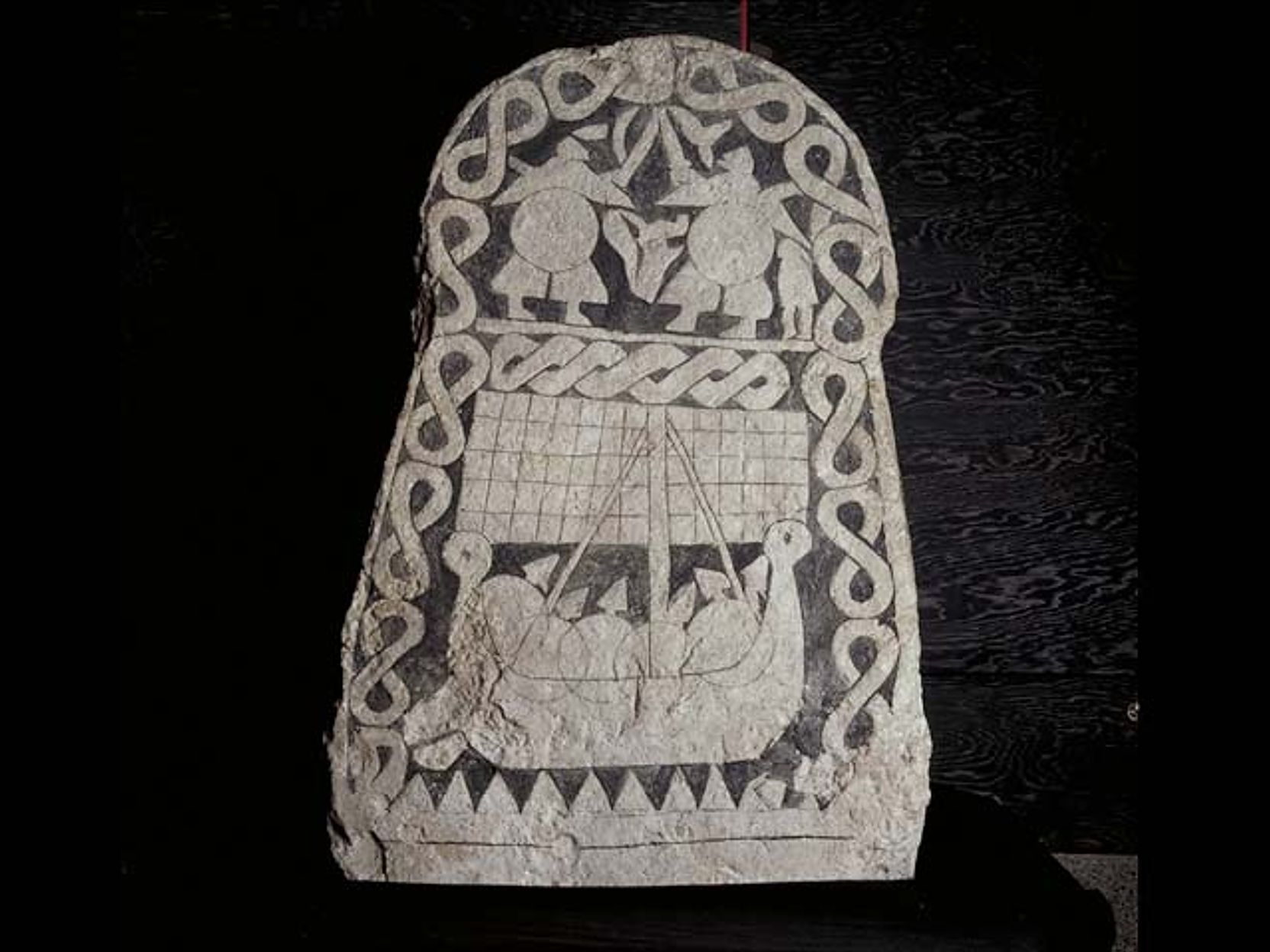
The success of Viking invasions hinged on a combination of tactical prowess and technological superiority. Their longships, designed for speed, shallow draft, and seaworthiness, allowed them to navigate both open oceans and narrow rivers, striking at vulnerable coastal and inland targets with surprise. Raiding parties were typically small, highly mobile, and focused on acquiring portable wealth, such as silver, gold, and slaves, often targeting poorly defended monasteries and towns. However, the Vikings were not solely raiders; they were also skilled traders, establishing extensive networks that stretched from Baghdad to Dublin, and capable settlers who founded new communities in places like Iceland, Greenland, and Normandy. The process of settlement often involved a mix of conquest, assimilation, and intermarriage with local populations, leading to the formation of distinct Norse-influenced societies.
📊 Scale and Impact of Invasions
The scale of Viking activity was immense, impacting vast swathes of Europe over nearly three centuries. Between 800 and 1050 CE, tens of thousands of Norse individuals participated in voyages that reached from North America to the Caspian Sea. The economic impact was profound; raids often crippled local economies, while trade introduced new goods and stimulated markets. Politically, the invasions destabilized existing kingdoms, most notably in England, where the Anglo-Saxon Heptarchy was eventually unified under pressure from Danish incursions, leading to the Danelaw. In Francia, Viking raids contributed to the weakening of the Carolingian Empire and the eventual establishment of the Duchy of Normandy by Rollo in 911 CE. The sheer volume of silver and gold plundered and traded by Vikings, estimated in the millions of coins, speaks to the immense economic disruption they caused.
👥 Key Figures and Peoples
The term 'Viking' itself is often applied broadly, but the invasions were carried out by distinct groups from Scandinavia. The Danes, primarily active in England and Francia, were known for their large armies and systematic conquest, exemplified by Sweyn Forkbeard and his son Cnut the Great. The Norwegians, renowned for their exploration and settlement of the North Atlantic, including Erik the Red and Leif Erikson, also conducted raids in Ireland and Scotland. The Swedes, often referred to as Varangians in the East, focused on trade routes through Eastern Europe, reaching as far as the Byzantine Empire and the Caliphate, with figures like Ingvar the Far-Travelled leading major expeditions. These groups, while sharing a common cultural heritage, had distinct spheres of influence and objectives.
🌍 Geographic Reach and Influence
The geographic reach of the Viking invasions was truly continental and transoceanic. In the British Isles, they established kingdoms in Dublin, York (as Jorvik), and parts of Scotland, leaving a lasting linguistic and cultural imprint. In Eastern Europe, Swedish Varangians played a crucial role in the formation of the Kievan Rus', acting as traders, mercenaries, and rulers. Their influence extended down the Volga and Dnieper rivers, connecting Scandinavia to the Byzantine Empire and the Abbasid Caliphate. The most astonishing reach was westward, with Norse explorers like Leif Erikson establishing a settlement at L'Anse aux Meadows in Newfoundland around 1000 CE, predating Christopher Columbus's voyages by nearly 500 years. These ventures demonstrate a remarkable capacity for long-distance travel and adaptation to diverse environments.
⚡ The End of the Viking Age
The end of the Viking Age and its associated invasions is generally marked by the mid-11th century, though the precise reasons are debated. The consolidation of Scandinavian kingdoms into more stable monarchies, the Christianization of Norse societies, and the assimilation of Norse settlers into local cultures all played significant roles. The Battle of Stamford Bridge in 1066, where King Harold Godwinson defeated an invading Norwegian army led by Harald Hardrada, is often seen as a symbolic end to large-scale Norse invasions of England. Furthermore, the Norman Conquest of England in the same year, led by William the Conqueror, a descendant of Viking settlers, represented a different kind of Norse legacy – one of established power and assimilation rather than outright invasion. By this period, the distinct 'Viking' identity had largely merged into the broader European political and cultural landscape.
🤔 Debates and Controversies
The interpretation of Viking invasions is a subject of ongoing scholarly debate, particularly concerning the motivations and the nature of their interactions. While early accounts, often written by victims like the monks of St. Gall, emphasized brutal savagery, modern scholarship presents a more nuanced picture. The 'Viking' label itself is contested, with many Scandinavians of the era being farmers, merchants, or craftsmen rather than raiders. The extent to which their expansion was driven by economic necessity versus a desire for glory and land remains a point of discussion. Furthermore, the impact on local populations is viewed with increasing complexity, acknowledging both the violence and destruction, as well as the cultural exchange and the eventual integration of Norse peoples into new societies.
🔮 Legacy and Future Interpretations
The legacy of the Viking invasions continues to evolve in historical and popular understanding. Modern archaeology, through sites like Uppåkra and Birka, provides tangible evidence that challenges and refines earlier narratives. Genetic studies are also shedding light on the extent of Norse migration and settlement across Europe and the Atlantic. The popular image of the Viking, often a horned-helmeted brute, is being steadily replaced by a more accurate portrayal of complex societies with sophisticated maritime technology, intricate social structures, and diverse economic activities. Future research will likely continue to deconstruct simplistic myths and reveal the intricate ways Viking interactions shaped the medieval world and its subsequent development.
💡 Lasting Imprints on Culture
The cultural impact of the Viking invasions is undeniable, permeating language, place names, and even modern popular culture. Numerous English words, such as 'sky,' 'egg,' 'skin,' and 'law,' have Old Norse origins, a testament to the linguistic influence in areas like the Danelaw. Place names across Britain, Ireland, and Normandy often bear Norse elements (e.g., '-by', '-thorpe', '-ness'). Beyond linguistics, Viking sagas and mythology, such as the tales of Thor and Odin, continue to inspire literature, art, and entertainment, from Game of Thrones to modern video games like Assassin's Creed Valhalla. This enduring fascination highlights the potent and persistent cultural resonance of the Viking era.
📚 Further Exploration
For those seeking to delve deeper into the Viking invasions, a wealth of resources exists. Archaeological findings from sites like Trelleborg and Jelling offer direct material evidence of Norse life and activity. Primary sources, such
Key Facts
- Category
- history
- Type
- topic