
Contents
Overview
The vinyl resurgence refers to the significant and sustained increase in the popularity and sales of vinyl records, a format largely superseded by cassette tapes, CDs, digital downloads, and streaming services. This revival saw vinyl sales climb steadily, particularly in Western markets and East Asia, leading to the establishment of dedicated vinyl charts and a renewed appreciation for the record store experience. Despite representing a small fraction of the overall music market, vinyl's cultural cachet and perceived sonic superiority have cemented its place as a vital, albeit niche, component of the modern music industry, offering a tangible connection to music that digital formats often lack. This phenomenon is driven by a confluence of factors including audiophile preferences, collector culture, and a desire for physical media in an increasingly dematerialized world.
🎵 Origins & History
The story of vinyl's comeback isn't a simple return to the past; it's a complex narrative of technological displacement and cultural re-evaluation. Vinyl dominated music distribution from the 1950s through the 1980s, but its decline began with the advent of more convenient formats like the cassette tape and the compact disc (CD). The digital revolution, spearheaded by MP3s and later streaming services like Spotify and Apple Music, seemed to signal the final nail in vinyl's coffin. This groundswell of interest, driven by a desire for a more tangible and arguably superior listening experience, gradually expanded, catching the attention of major labels and retailers.
⚙️ How It Works
At its core, the vinyl format relies on a physical groove etched into a polyvinyl chloride disc. A turntable spins the record, while a stylus (needle) tracks the groove. The stylus's vibrations are converted into an electrical signal, which is then amplified and sent to speakers. Unlike digital formats that store music as binary code, vinyl's analog nature means the groove directly represents the sound wave. This physical interaction is key to its appeal; the ritual of placing the record on the platter, dropping the needle, and observing the spinning disc offers a deliberate and engaging way to consume music, a stark contrast to the passive clicking and scrolling of digital platforms.
📊 Key Facts & Numbers
The numbers behind the vinyl resurgence are striking. Globally, vinyl sales have consistently grown, with the UK market alone seeing over 5 million vinyl albums sold in 2022, its highest figure in over 30 years. This growth continues to outpace other physical formats.
👥 Key People & Organizations
Numerous individuals and organizations have played pivotal roles in championing the vinyl resurgence. Record store owners, such as those involved with the Record Store Day initiative, have been instrumental in creating community hubs and promoting new releases. Independent record labels like Sub Pop and Matador Records continued pressing vinyl even during its downturn, fostering a loyal customer base. Artists like Jack White have actively supported the format, even launching their own Third Man Records label and pressing plant. Major labels have also re-engaged, with companies like Universal Music Group and Sony Music Entertainment reissuing classic albums and releasing new material on vinyl, recognizing its commercial viability and cultural significance.
🌍 Cultural Impact & Influence
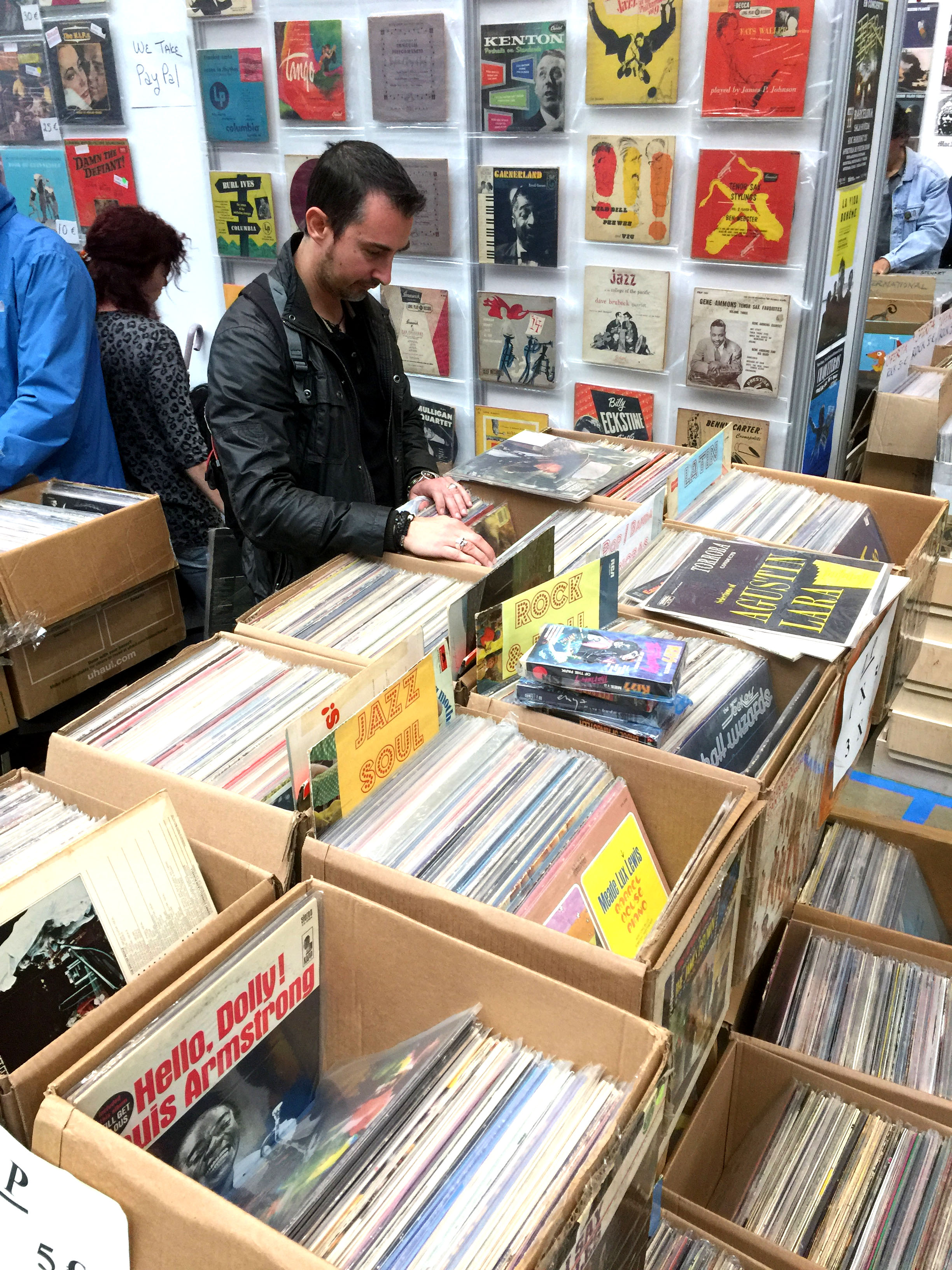
The vinyl resurgence has had a profound cultural impact, extending beyond mere music consumption. It has fostered a renewed appreciation for album art, turning record sleeves into collectible pieces of visual art. The tangible nature of vinyl has also influenced a broader trend towards physical media and 'slow consumption' in an era dominated by ephemeral digital content. Record stores have transformed into cultural spaces, hosting listening parties, live performances, and community events, acting as vital anchors for local music scenes. Furthermore, the audiophile community's insistence on vinyl's superior sound quality has spurred ongoing debates about digital vs. analog audio fidelity, influencing how music is produced and consumed across all formats.
⚡ Current State & Latest Developments
As of 2024, the vinyl market shows no signs of slowing down. Major artists across genres, from Taylor Swift to Billie Eilish, are releasing new albums on vinyl, often as limited editions or special pressings that drive collector demand. The supply chain, however, has faced challenges, with reports of backlogs at pressing plants due to increased demand and material shortages, leading to longer wait times for new releases. Innovations in vinyl production, such as colored vinyl, picture discs, and even playable art, continue to emerge, catering to both collectors and casual enthusiasts. The integration of vinyl into mainstream retail, with chains like Target stocking popular titles, further solidifies its presence beyond specialist stores.
🤔 Controversies & Debates
The vinyl resurgence is not without its controversies. Critics argue that the environmental impact of vinyl production and transportation is significant, especially when compared to the relatively low footprint of streaming. Debates persist regarding the actual sonic superiority of vinyl over high-resolution digital audio, with some audiophiles claiming that the perceived warmth of vinyl is due to inherent imperfections rather than objective fidelity. The ethical sourcing of materials and labor practices within the vinyl manufacturing industry have also come under scrutiny.
🔮 Future Outlook & Predictions
The future of vinyl appears robust, though its trajectory will likely be shaped by several factors. Continued innovation in pressing techniques and sustainable materials could address environmental concerns and potentially lower production costs. The increasing demand from younger generations, drawn to vinyl's aesthetic and ritualistic appeal, suggests a sustained market. However, the industry must navigate potential supply chain bottlenecks and ensure that vinyl remains accessible to a broader audience. The potential for integration with digital platforms, perhaps through QR codes or augmented reality features on record sleeves, remains an open area for exploration.
💡 Practical Applications
Vinyl's practical applications extend beyond just listening. For music producers and engineers, vinyl offers a unique mastering challenge and a target for achieving a specific analog sound. Collectors utilize vinyl as an investment and a tangible representation of their musical passion. In retail environments, record stores serve as community centers and cultural touchstones, driving foot traffic and local economies. For artists, vinyl releases can be a significant revenue stream, particularly through direct-to-fan sales at concerts and online. Furthermore, the physical format has inspired new forms of art and design, with album covers becoming canvases for visual expression, influencing graphic design and illustration trends beyond the music industry.
Key Facts
- Category
- culture
- Type
- topic