
Contents
Overview
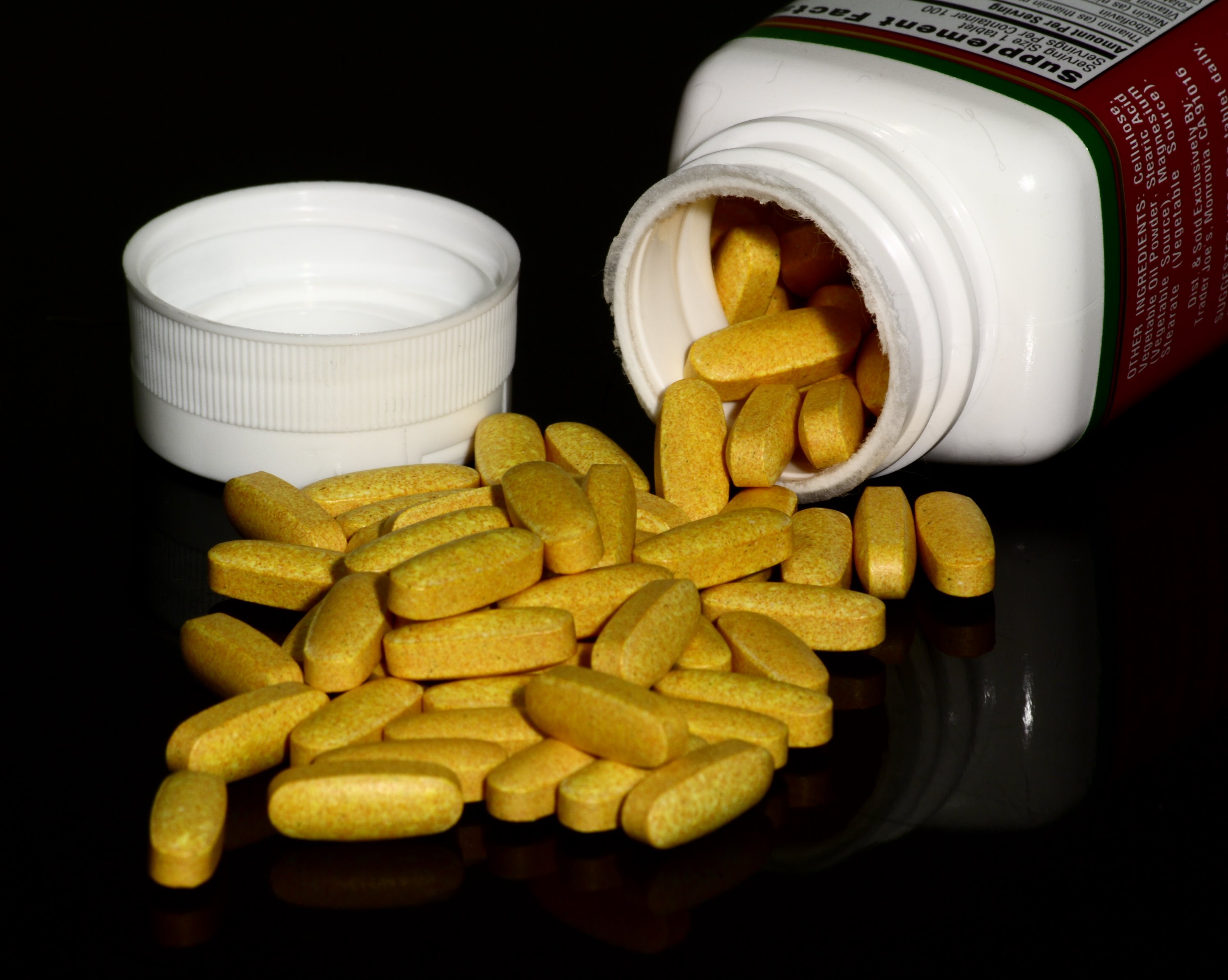
Vitamin supplements are a vast and often contentious category of dietary products designed to augment nutrient intake beyond what's typically obtained from food. Encompassing everything from single-nutrient pills to complex multivitamin formulations, these products aim to address perceived dietary gaps, boost health, and enhance physical or cognitive performance. The global market for dietary supplements, including vitamins, was valued at approximately $177.7 billion in 2023, with projections indicating continued growth. Despite widespread consumer adoption, the scientific consensus on their broad efficacy remains divided, with evidence suggesting benefits primarily for specific populations with deficiencies or particular health needs, rather than the general populace. The regulatory landscape also varies significantly across regions, impacting product claims and consumer safety.
🎵 Origins & History
The concept of supplementing one's diet with specific nutrients has deep historical roots, predating modern science. Ancient civilizations recognized the importance of certain foods for health, and early attempts at isolating and administering "vital essences" can be traced back centuries. The chemical structures of most major vitamins were elucidated by the 1930s and 1940s, paving the way for their mass production and inclusion in fortified foods and early supplements. Companies like Abbott Laboratories and Pfizer were early players, developing and marketing vitamin preparations, often initially for therapeutic purposes before expanding into the broader consumer market.
⚙️ How It Works
Vitamin supplements function by delivering concentrated doses of specific vitamins, minerals, or other bioactive compounds in a bioavailable form, typically intended for oral consumption. These compounds are designed to be absorbed by the digestive system and utilized by the body's cells to perform essential biochemical functions. For instance, Vitamin D supplements aid in calcium absorption for bone health, while Vitamin C acts as an antioxidant and is crucial for collagen synthesis. The efficacy of a supplement depends on factors such as the form of the nutrient (e.g., citrate vs. oxide for minerals), the presence of co-factors, and the individual's existing nutrient status and absorption capacity. Manufacturers employ various formulation techniques, including encapsulation, granulation, and coating, to ensure stability, improve absorption, and mask unpleasant tastes, as seen in products from Nature Made and Garden of Life.
📊 Key Facts & Numbers
The global dietary supplement market, a significant portion of which comprises vitamin supplements, reached an estimated $177.7 billion in 2023, with projections indicating continued growth. In the United States alone, over 75% of adults report taking dietary supplements, with multivitamins being the most commonly used category. The average annual expenditure per consumer on supplements can range from $100 to over $500. Globally, North America and Europe represent the largest markets, accounting for over 60% of sales, but the Asia-Pacific region is experiencing the fastest growth, with an estimated compound annual growth rate (CAGR) of 8.5%.
👥 Key People & Organizations
Key figures in the history of vitamin supplements include Casimir Funk, who reportedly coined the term "vitamine" in 1912, and Linus Pauling, a Nobel laureate who controversially championed extremely high doses of Vitamin C for health and disease prevention. Major organizations shaping the industry include the U.S. Food and Drug Administration (FDA), which regulates supplements under the Dietary Supplement Health and Education Act of 1994 (DSHEA), and industry trade groups like the Natural Products Association (NPA) and the Council for Responsible Nutrition (CRN). Companies like Nestlé (through its Nestlé Health Science division), Amway (with its Nutrilite brand), and GSK plc are significant players in manufacturing and marketing these products.
🌍 Cultural Impact & Influence
Vitamin supplements have profoundly influenced modern wellness culture, shifting the paradigm from solely treating deficiency diseases to proactively pursuing optimal health and longevity. They are deeply embedded in the narratives of fitness, anti-aging, and preventative medicine, often promoted through celebrity endorsements and social media influencers. The ubiquity of terms like "antioxidants," "probiotics," and "superfoods" in popular discourse is partly a consequence of the supplement industry's marketing efforts. This cultural penetration has led to a situation where many individuals view supplements as a non-negotiable component of a healthy lifestyle, sometimes even as a substitute for a balanced diet, a phenomenon amplified by platforms like Instagram and TikTok.
⚡ Current State & Latest Developments
The current landscape of vitamin supplements is characterized by rapid innovation and increasing consumer sophistication. There's a growing demand for personalized nutrition, with companies offering DNA-based recommendations and custom-blended supplements. The market is also seeing a surge in interest for specialized supplements targeting specific concerns like gut health (probiotics and prebiotics), cognitive function (nootropics), and immune support, particularly in the wake of the COVID-19 pandemic. Brands are increasingly focusing on "clean label" products, emphasizing natural ingredients, transparency in sourcing, and third-party certifications for quality assurance, such as those provided by USP (United States Pharmacopeia) and NSF International. The rise of direct-to-consumer (DTC) models, exemplified by companies like Care/of and HUM Nutrition, has further personalized the purchasing experience.
🤔 Controversies & Debates
The efficacy and necessity of vitamin supplements for the general population remain a subject of intense debate. While Linus Pauling's high-dose vitamin C advocacy sparked early controversy, modern debates often center on large-scale epidemiological studies and meta-analyses. Critics have concluded that there is insufficient evidence to recommend routine multivitamin use for preventing chronic diseases like cardiovascular disease and cancer in healthy adults. Conversely, proponents point to specific populations, such as pregnant women needing folic acid to prevent neural tube defects, or individuals with diagnosed deficiencies, as clear beneficiaries. The potential for harm from excessive intake (e.g., vitamin A toxicity) and the financial burden on consumers who may be taking unnecessary supplements are also significant points of contention.
🔮 Future Outlook & Predictions
The future of vitamin supplements is likely to be driven by advancements in biotechnology, personalized medicine, and a deeper understanding of the microbiome. We can anticipate a greater integration of wearable technology and AI-driven diagnostics to provide real-time nutrient status monitoring, leading to highly individualized supplement regimens. Gene editing technologies might eventually enable more efficient nutrient synthesis or absorption. Furthermore, the focus may shift from broad-spectrum vitamins to more targeted interventions, such as specific phytonutrients or compounds derived from extremophiles, to address complex health challenges. The regulatory environment will also continue to evolve, potentially leading to stricter oversight and more rigorous efficacy requirements, as seen in discussions around dietary supplement regulation in various countries.
💡 Practical Applications
Vitamin supplements find practical application across a spectrum of needs. For pregnant women, folic acid and iron supplements are crucial for fetal development and preventing anemia. Individuals with diagnosed deficiencies, such as Vitamin B12 deficiency in vegans or Vitamin D deficiency in those with limited sun exposure, rely on supplements for therapeutic purposes. Athletes and bodybuilders often use supplements like creatine, whey protein, and specific vitamins (e.g., B vitamins) to support energy metabolism, muscle repair, and recovery. Furthermore, certain populations, like the elderly or those with malabsorption disorders (e.g., [[
Key Facts
- Category
- science
- Type
- topic