
Contents
Overview
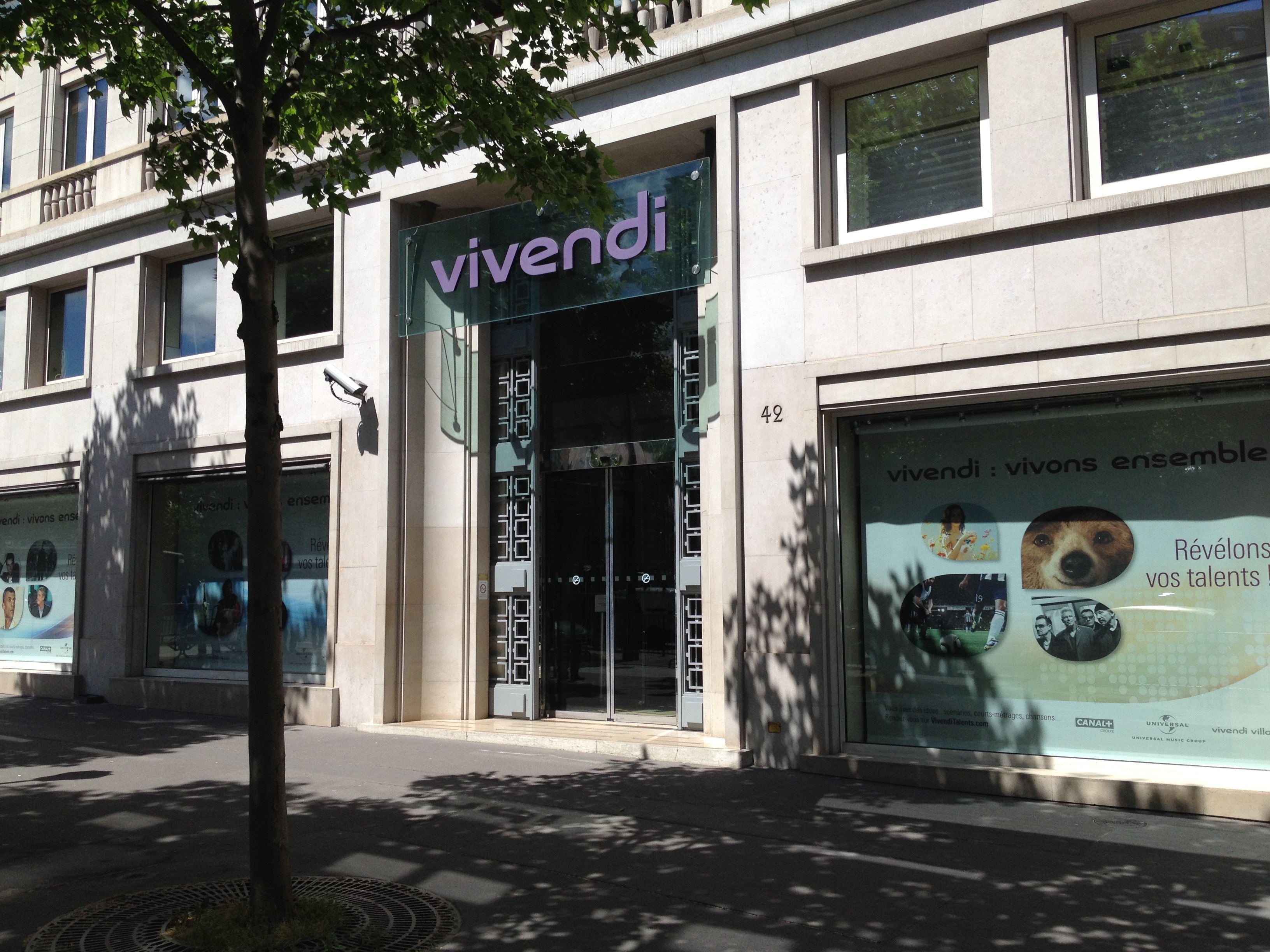
Vivendi SE is a French investment conglomerate with a sprawling history in media, entertainment, and telecommunications. Originally founded as a water utility company, it transformed dramatically through a series of high-profile acquisitions and mergers. This period saw it control giants like Universal Music Group and Universal Studios. However, a subsequent period of financial distress and strategic restructuring led to the divestment of many of its core entertainment assets. Since 2021, Vivendi has continued to pivot, spinning off significant portions of its holdings, most notably Universal Music Group, to reposition itself as a more focused investment entity in content, media, and entertainment.
🎵 Origins & History
Vivendi's lineage traces back to the establishment of the Compagnie générale des eaux (CGE), a water utility company. The transformation into a media powerhouse began in earnest in the late 20th century. A pivotal moment was the acquisition of Canal+, the French pay-TV giant. The company rebranded as Vivendi Universal, a colossal entity born from the merger of CGE, Canal+, and the Canadian conglomerate Seagram, which brought Universal Music Group and Universal Studios under its umbrella. This era was marked by aggressive expansion and a debt-laden strategy under the leadership of Jean-Marie Messier, setting the stage for future challenges and restructuring.
⚙️ How It Works
As an investment company, Vivendi SE operates by holding significant stakes in various businesses primarily within the media, content, and entertainment sectors. Its operational model involves managing a portfolio of subsidiaries and investments, aiming to generate value through strategic oversight, financial management, and potential future divestments or acquisitions. Key wholly-owned subsidiaries include the mobile game developer Gameloft, while its historical influence extended to major players like Universal Music Group and Canal+. The company's structure allows it to pivot its focus, shedding assets to concentrate on emerging opportunities or to deleverage its balance sheet.
📊 Key Facts & Numbers
Vivendi SE reported revenues of approximately €10.8 billion in 2023, a slight decrease from €10.76 billion in 2022, but significantly down from its peak years. The company employed around 22,603 individuals as of the end of 2023. Vivendi's market capitalization fluctuates but has historically placed it among the significant European media conglomerates. In 2021, the company initiated the process of spinning off 60% of Universal Music Group, valuing the music giant at over €30 billion at the time of its listing on Euronext Amsterdam. This move alone represented a massive shift in Vivendi's asset base.
👥 Key People & Organizations
The company's leadership has seen notable figures steer its dramatic transformations. Arnaud de Puyfontaine has served as CEO, navigating the company through its recent strategic shifts. Yannick Bolloré has also held significant leadership roles, including Chairman of the Management Board, representing the influence of the Bolloré family's stake in the company. Historically, Jean-Marie Messier was the architect of the Vivendi Universal merger, a period characterized by ambitious, albeit ultimately unsustainable, growth. Edgar Bronfman Jr. played a key role in Seagram's acquisition of Universal assets prior to the Vivendi merger.
🌍 Cultural Impact & Influence
Vivendi's historical control over Universal Music Group and Universal Studios placed it at the epicenter of global entertainment for years. It shaped the music industry through its ownership of countless iconic artists and labels, and influenced Hollywood through its film production and distribution arms. The company's ventures into telecommunications via Canal+ and its significant stake in Telecom Italia (TIM) also marked its broad reach. While many of these assets have been divested, the legacy of Vivendi's influence on media consumption patterns and the structure of the entertainment industry remains profound.
⚡ Current State & Latest Developments
In recent years, Vivendi has aggressively pursued a strategy of divestment to streamline its operations and focus on its core investment strategy. The most significant development was the partial IPO of Universal Music Group in September 2021, which saw Vivendi retain a substantial stake but relinquish majority control. Further divestments have continued, including the sale of its stake in Lagardère and the ongoing restructuring of its media and publishing arms like Prisma Media. The company is increasingly positioning itself as a strategic investor rather than a direct operator of large-scale media assets.
🤔 Controversies & Debates
Vivendi's history is punctuated by significant controversies, particularly surrounding its aggressive expansion under Jean-Marie Messier in the early 2000s. Accusations of financial mismanagement, opaque accounting practices, and excessive debt led to a severe stock market crash and regulatory scrutiny. Vivendi faced shareholder lawsuits and investigations into its financial reporting. More recently, debates have swirled around the strategic direction of the company, with some critics questioning the value of its divestment strategy and others praising its move towards a more focused investment model. The influence of major shareholders, like the Bolloré Group, also fuels ongoing discussions about corporate governance.
🔮 Future Outlook & Predictions
Looking ahead, Vivendi SE is poised to continue its evolution as a strategic investment firm. Its focus will likely remain on identifying and acquiring stakes in promising companies within the content, media, and entertainment sectors, potentially leveraging its expertise in managing and growing such assets. The company may also explore further consolidation or strategic partnerships within its existing portfolio. The success of its future trajectory hinges on its ability to identify undervalued opportunities and effectively manage its investments in a rapidly changing media landscape, potentially eyeing emerging digital platforms or niche content creators.
💡 Practical Applications
Vivendi's historical operational scope meant its assets had direct practical applications across multiple industries. Gameloft, its wholly-owned subsidiary, develops and publishes mobile games, directly impacting the mobile gaming market and providing entertainment to millions worldwide. Vivendi's past involvement in telecommunications included stakes in companies like Telecom Italia, which directly affected communication infrastructure and services. Even its former media assets, like Universal Music Group, had profound practical applications in music distribution, artist management, and the creation of cultural content that shaped global trends.
Section 11
Vivendi SE is a French investment company headquartered in Paris, France. It is primarily involved in content, entertainment, media, and telecommunications. The company wholly owns Gameloft and has significant investments in other companies. Its history includes the formation and subsequent divestment of major entities like Universal Music Group and Universal Studios.
Section 12
Vivendi SE's revenue for 2023 was approximately €10.8 billion. The company has a global presence with operations and investments spanning multiple continents. As of 2023, Vivendi SE employed approximately 22,603 people worldwide. The company's stock is listed on the Euronext Paris stock exchange.
Section 13
Key figures associated with Vivendi SE include Arnaud de Puyfontaine, its current CEO, and Yannick Bolloré, who has held significant leadership positions. Historically, Jean-Marie Messier was instrumental in the creation of Vivendi Universal in 2000 throug
Key Facts
- Category
- platforms
- Type
- topic