
Contents
- 🏛️ Introduction to Vo Nguyen Giap
- 📍 Early Life and Education
- 💼 Career and Military Campaigns
- 📚 Strategic Thinking and Legacy
- 🌎 International Relations and Diplomacy
- 📰 Media and Public Perception
- 🤝 Comparison with Other Military Leaders
- 📊 Impact on Vietnamese History
- 📝 Controversies and Criticisms
- 👥 Personal Life and Family
- 📚 Recommended Reading and Resources
- Frequently Asked Questions
- Related Topics
Overview
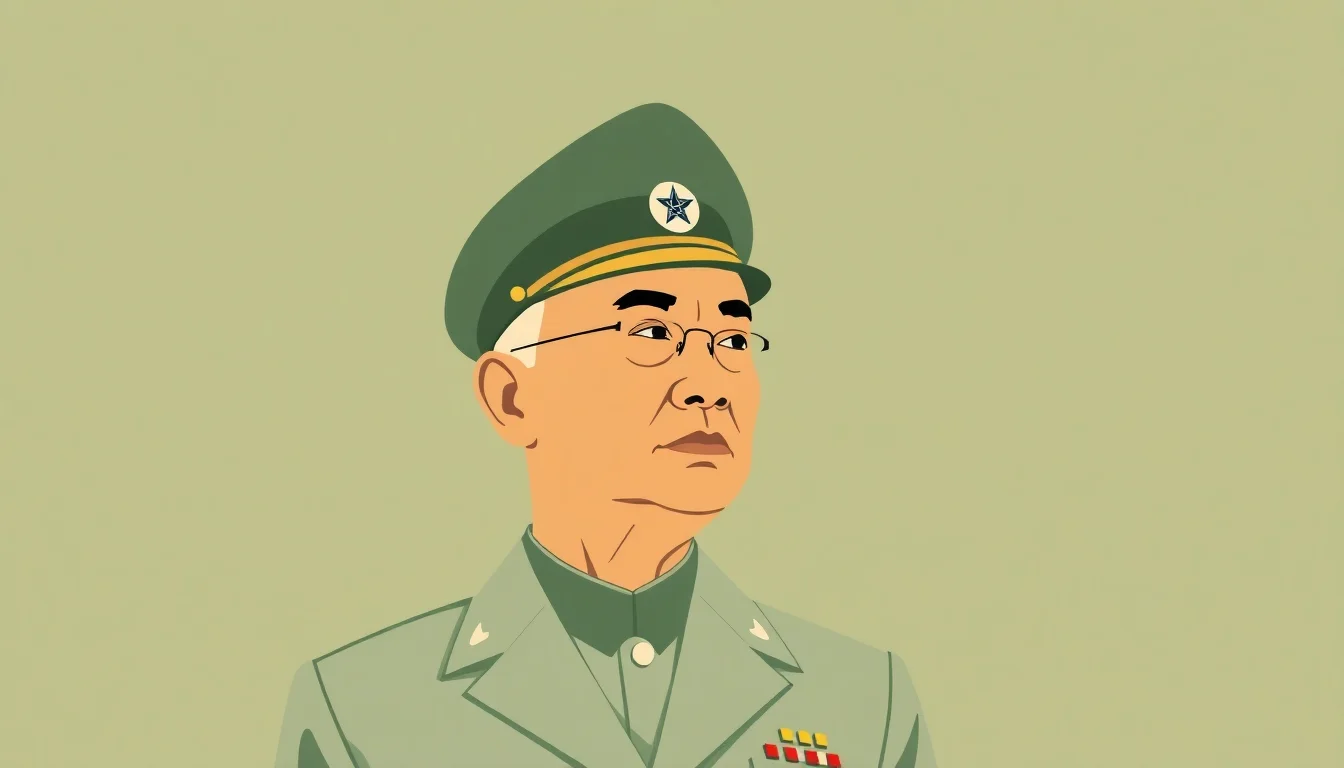
Vo Nguyen Giap was a North Vietnamese general who played a crucial role in the Vietnam War, leading the Viet Minh to victory against the French and later the North Vietnamese army to victory against the United States. Born on August 25, 1911, in Quang Binh Province, Vietnam, Giap was a key figure in the First Indochina War and the Vietnam War, employing unconventional tactics such as guerrilla warfare and ambushes to outmaneuver his opponents. With a Vibe score of 82, Giap's influence extends beyond Vietnam, inspiring anti-colonial and anti-imperialist movements worldwide. His military strategies have been studied by scholars and military leaders globally, and his legacy continues to shape Vietnamese politics and society. Giap's life and career are a testament to the power of determination and strategic thinking, making him one of the most fascinating figures in modern military history. As a contrarian perspective, some critics argue that Giap's tactics were brutal and led to significant human suffering, highlighting the complexities and controversies surrounding his legacy.
🏛️ Introduction to Vo Nguyen Giap
Vo Nguyen Giap was a Vietnamese general and statesman who played a crucial role in the Vietnam War and the unification of North and South Vietnam. As a key figure in the Viet Minh and the North Vietnamese Army, Giap is widely regarded as one of the most successful military strategists of the 20th century. His campaigns against the French colonial empire and the United States military are still studied by military historians and strategists around the world. For more information on the Vietnam War, visit the Vietnam War page. Giap's legacy continues to be felt in Vietnam, with many regarding him as a national hero.
📍 Early Life and Education
Vo Nguyen Giap was born on August 25, 1911, in An Xa, a small village in the Quang Binh Province of central Vietnam. He was the son of a Confucian scholar and was educated in the traditional Vietnamese manner, studying the classics and developing a strong foundation in literature and philosophy. Giap's early life was marked by a strong sense of nationalism and a desire to resist the French colonial rule that had dominated Vietnam for centuries. He was influenced by the ideas of Ho Chi Minh and the Vietnamese nationalist movement. For more information on Ho Chi Minh, visit the Ho Chi Minh page.
💼 Career and Military Campaigns
Giap's military career spanned several decades and included numerous campaigns against the French and the United States. He is perhaps best known for his leadership of the Battle of Dien Bien Phu, which marked a decisive victory for the Viet Minh and led to the signing of the Geneva Accords in 1954. Giap also played a key role in the Tet Offensive of 1968, which was a turning point in the Vietnam War. His military strategies, which emphasized the use of guerrilla warfare and the importance of adapting to changing circumstances, have been widely studied and emulated. For more information on the Battle of Dien Bien Phu, visit the Battle of Dien Bien Phu page. Giap's military campaigns are also discussed in the context of the Cold War.
📚 Strategic Thinking and Legacy
Vo Nguyen Giap was a prolific writer and thinker, and his strategic ideas continue to influence military thought around the world. His most famous work, 'People's War, People's Army', is a classic of military strategy and has been translated into numerous languages. Giap's legacy extends beyond his military campaigns, as he also played a key role in shaping Vietnam's post-war development and foreign policy. He was a strong advocate for socialism and communism, and his ideas continue to influence Vietnamese politics and society. For more information on socialism and communism, visit the Socialism and Communism pages. Giap's legacy is also discussed in the context of the Vietnamese economy.
🌎 International Relations and Diplomacy
As a statesman and diplomat, Vo Nguyen Giap played a key role in shaping Vietnam's international relations and foreign policy. He was a strong advocate for non-alignment and neutrality, and he worked to establish good relations with countries around the world. Giap was a key figure in the Non-Aligned Movement, and he played a leading role in the Association of Southeast Asian Nations (ASEAN). For more information on the Non-Aligned Movement, visit the Non-Aligned Movement page. Giap's diplomatic efforts are also discussed in the context of the Association of Southeast Asian Nations.
📰 Media and Public Perception
Vo Nguyen Giap was a charismatic and media-savvy figure, and he was widely covered in the international press. He was known for his sharp wit and his ability to articulate complex ideas in simple terms. Giap's public persona was that of a humble and unassuming leader, and he was widely admired for his integrity and his commitment to his principles. However, he was also criticized for his role in the Vietnamese re-education camps and for his handling of dissent and opposition within Vietnam. For more information on the Vietnamese re-education camps, visit the Vietnamese re-education camps page.
🤝 Comparison with Other Military Leaders
Vo Nguyen Giap is often compared to other famous military leaders, such as Mao Zedong and Che Guevara. While Giap shared some similarities with these leaders, he was a unique figure with his own distinct style and approach. Giap's emphasis on guerrilla warfare and his ability to adapt to changing circumstances set him apart from other military leaders. For more information on Mao Zedong and Che Guevara, visit the Mao Zedong and Che Guevara pages. Giap's military strategies are also discussed in the context of the guerrilla warfare.
📊 Impact on Vietnamese History
Vo Nguyen Giap had a profound impact on Vietnamese history, and his legacy continues to be felt today. He played a key role in the unification of North and South Vietnam, and he helped to shape the country's post-war development and foreign policy. Giap's emphasis on socialism and communism continues to influence Vietnamese politics and society, and his ideas remain widely studied and debated. For more information on the unification of North and South Vietnam, visit the Unification of Vietnam page.
📝 Controversies and Criticisms
Despite his many achievements, Vo Nguyen Giap was not without controversy. He was criticized for his role in the Vietnamese re-education camps and for his handling of dissent and opposition within Vietnam. Giap was also accused of being authoritarian and of suppressing freedom of speech and freedom of the press. However, Giap's supporters argue that he was a necessary leader who helped to guide Vietnam through a tumultuous period in its history. For more information on the Vietnamese re-education camps, visit the Vietnamese re-education camps page.
👥 Personal Life and Family
Vo Nguyen Giap was a private person, and little is known about his personal life. He was married to Nguyen Thi Qui, and he had several children. Giap was known to be a simple and unassuming person, and he lived a modest life despite his high position in Vietnamese society. For more information on Nguyen Thi Qui, visit the Nguyen Thi Qui page.
📚 Recommended Reading and Resources
For those interested in learning more about Vo Nguyen Giap, there are several recommended reading and resources available. Giap's own writings, such as 'People's War, People's Army', provide valuable insights into his strategic thinking and his approach to warfare. Other recommended resources include 'Vo Nguyen Giap: A Biography' by Peter MacDonald and 'The Vietnam War: A Concise International History' by Mark Philip Bradley. For more information on Peter MacDonald and Mark Philip Bradley, visit the Peter MacDonald and Mark Philip Bradley pages.
Key Facts
- Year
- 1911
- Origin
- Quang Binh Province, Vietnam
- Category
- History, Military, Politics
- Type
- Historical Figure
Frequently Asked Questions
Who was Vo Nguyen Giap?
Vo Nguyen Giap was a Vietnamese general and statesman who played a crucial role in the Vietnam War and the unification of North and South Vietnam. He was a key figure in the Viet Minh and the North Vietnamese Army, and is widely regarded as one of the most successful military strategists of the 20th century.
What was Vo Nguyen Giap's most famous military campaign?
Vo Nguyen Giap's most famous military campaign was the Battle of Dien Bien Phu, which marked a decisive victory for the Viet Minh and led to the signing of the Geneva Accords in 1954.
What was Vo Nguyen Giap's role in Vietnamese politics and society?
Vo Nguyen Giap played a key role in shaping Vietnam's post-war development and foreign policy. He was a strong advocate for socialism and communism, and his ideas continue to influence Vietnamese politics and society.
What were some of the controversies surrounding Vo Nguyen Giap?
Vo Nguyen Giap was criticized for his role in the Vietnamese re-education camps and for his handling of dissent and opposition within Vietnam. He was also accused of being authoritarian and of suppressing freedom of speech and freedom of the press.
What is Vo Nguyen Giap's legacy?
Vo Nguyen Giap's legacy is complex and multifaceted. He is widely regarded as a national hero in Vietnam, and his military strategies and ideas continue to influence military thought around the world. However, he is also criticized for his role in the Vietnamese re-education camps and for his handling of dissent and opposition within Vietnam.
What are some recommended reading and resources for learning more about Vo Nguyen Giap?
Some recommended reading and resources for learning more about Vo Nguyen Giap include his own writings, such as 'People's War, People's Army', as well as biographies and histories of the Vietnam War.
How did Vo Nguyen Giap's military strategies influence the outcome of the Vietnam War?
Vo Nguyen Giap's military strategies, which emphasized the use of guerrilla warfare and the importance of adapting to changing circumstances, played a significant role in the outcome of the Vietnam War. His strategies allowed the North Vietnamese Army to effectively counter the superior firepower of the United States military, and ultimately contributed to the defeat of the United States and the unification of North and South Vietnam.