
Contents
Overview
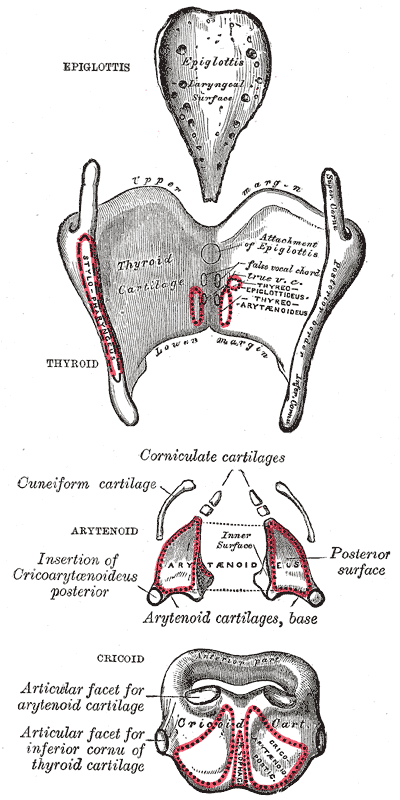
Vocal processing encompasses the biological mechanisms that produce sound in the human larynx and the vast array of technologies designed to manipulate, enhance, or synthesize vocalizations. Biologically, the vocal process refers to the anterior projection of the arytenoid cartilage, crucial for vocal fold adduction and phonation. Technologically, it spans from early analog effects like reverb and delay to sophisticated digital signal processing (DSP) techniques such as pitch correction, vocoding, and artificial intelligence-driven voice synthesis. The global market for audio effects and processing software, a key component of vocal processing, was valued at approximately $1.5 billion in 2023 and is projected to grow significantly. This field impacts music production, film sound design, telecommunications, and emerging areas like virtual avatars and AI companions, fundamentally altering how we perceive and interact with the human voice.
🎵 Origins & History
The biological foundation of vocal processing lies within the human larynx. Early human attempts to manipulate sound likely involved rudimentary techniques like cupping hands around the mouth or using natural echoes. The advent of recording technology in the late 19th century, with pioneers like Thomas Edison and his phonograph, marked the first steps toward capturing and altering vocal performances. Analog effects, such as reverberation and echo, emerged in the mid-20th century, initially through physical means like echo chambers and spring reverb units, laying the groundwork for more complex digital manipulation.
⚙️ How It Works
At its biological core, vocal processing begins with airflow from the lungs passing through the glottis, causing the vocal folds to vibrate. Technologically, vocal processing involves applying algorithms to digital audio signals. This can range from simple equalization (EQ) to alter frequency content, to dynamic range compression that evens out volume levels, to time-based effects like delay and chorus that create spatial and textural variations. More advanced techniques include pitch correction (e.g., Auto-Tune) to fix inaccuracies, vocoding to impose vocal characteristics onto other sounds, and gating to remove unwanted noise. Modern systems often employ artificial intelligence and machine learning for tasks like voice cloning and real-time emotional modulation.
📊 Key Facts & Numbers
The global market for audio effects and processing software, a significant segment of vocal processing technology, was estimated at $1.5 billion in 2023. The music production software market, which heavily features vocal processing tools, is projected to reach $2.5 billion by 2027, indicating substantial growth. Over 500 distinct vocal effects plugins are currently available from hundreds of software developers worldwide.
👥 Key People & Organizations
While the biological vocal process is a universal human trait, technological vocal processing has been shaped by numerous innovators. Companies such as Native Instruments, iZotope, and Waves Audio are major players in developing and distributing vocal processing software. The FCC and various international regulatory bodies also play a role in setting standards for voice transmission technologies.
🌍 Cultural Impact & Influence
Vocal processing has profoundly reshaped music, film, and communication. In music, effects like Auto-Tune have become stylistic elements, defining genres like trap and influencing pop music production since the late 1990s. The use of vocoders in electronic music, popularized by artists like Kraftwerk in the 1970s, created iconic robotic vocal sounds. In film, vocal processing is essential for creating alien voices, monster growls, and enhancing dialogue clarity, often handled by sound designers at studios like Warner Bros. Pictures. The widespread adoption of VoIP and mobile communication has necessitated sophisticated vocal processing for clear transmission and noise reduction. Emerging AI-driven voice synthesis is also impacting accessibility for individuals with speech impairments, as seen with projects from Google AI.
⚡ Current State & Latest Developments
The current landscape of vocal processing is dominated by advancements in AI and machine learning. Real-time pitch correction and harmonization are now standard in live performance software. AI-powered tools can now perform tasks like vocal separation (isolating vocals from a mixed track), de-reverberation, and even generate entirely new vocal performances based on text prompts, exemplified by platforms like Descript and ElevenLabs. The development of neural networks has led to more natural-sounding voice synthesis and cloning, blurring the lines between human and synthesized speech. Furthermore, the integration of vocal processing into virtual reality and augmented reality environments for avatar communication is rapidly evolving.
🤔 Controversies & Debates
The most prominent controversy surrounding vocal processing is the ethical use of pitch correction and voice cloning. Critics argue that excessive use of Auto-Tune, for instance, creates an artificial and inauthentic sound, masking a lack of vocal talent and contributing to a homogenized music industry. The ability to clone voices using AI raises serious concerns about misinformation, impersonation, and the potential for deepfake audio to be used maliciously. Debates also exist regarding the artistic merit of heavily processed vocals versus 'natural' performances, with some purists advocating for minimal intervention. The accessibility of powerful vocal manipulation tools also sparks discussions about democratizing music creation versus diluting artistic standards.
🔮 Future Outlook & Predictions
The future of vocal processing points towards increasingly sophisticated and integrated AI systems. We can expect AI to offer hyper-realistic voice cloning with emotional nuance, potentially allowing for personalized AI companions or dynamic voice acting. Real-time vocal transformation in live performances will likely become more seamless and interactive. The integration of vocal processing with virtual reality and augmented reality will enable more immersive and expressive communication in virtual spaces. Furthermore, AI may be used to generate entirely new vocal styles or even languages, pushing the boundaries of human expression. The biological aspect might see advancements in understanding and treating vocal disorders through targeted biofeedback and AI-driven diagnostics.
💡 Practical Applications
Vocal processing finds application across a multitude of domains. In music production, it's indispensable for refining vocal takes, creating unique artistic effects, and ensuring vocal clarity in mixes. Sound designers in film and television use it to craft character voices, from subtle enhancements to fantastical transformations. Telecommunications companies employ it for noise cancellation and echo reduction in phone calls and video conferences. The gaming industry uses it for character voice generation and modification. Emerging applications include AI-powered virtual assistants, personalized audio content generation, and tools for language learning and accent training. Even in everyday apps like Discord, basic voice filters offer a form of vocal processing for user entertainment.
Key Facts
- Category
- technology
- Type
- topic