
Contents
Overview
The story of the Volkswagen Rabbit is inextricably linked to its global counterpart, the Volkswagen Golf. When Volkswagen sought to replace the aging Beetle in the mid-1970s, the company gambled on a radical new design: the Golf Mk1, launched in 1974. For the crucial North American market, Volkswagen decided to rebrand this revolutionary vehicle as the Rabbit, aiming to appeal to a younger, more adventurous demographic. The first generation Rabbit was assembled at Volkswagen's plant in Westmoreland, Pennsylvania, a strategic move to circumvent import tariffs and better cater to American tastes. This generation, along with its sibling, the Jetta, quickly established a reputation for nimble handling and fuel efficiency, starkly contrasting with the larger, V8-powered sedans that dominated American roads at the time. The Rabbit's success in the US was a critical factor in Volkswagen's expansion beyond its initial Beetle-driven popularity, proving that smaller, European-style cars could indeed thrive in America.
⚙️ How It Works
At its core, the Volkswagen Rabbit (and its Golf sibling) was a masterclass in compact car engineering for its era. It featured a transverse-mounted, water-cooled inline engine driving the front wheels, a configuration that maximized interior space within a small footprint. The chassis offered independent front suspension and a torsion beam rear axle, providing a balance of ride comfort and sporty handling that became a hallmark of the model. The hatchback body style, a relatively novel concept in the US at the time, offered surprising versatility, with a split-folding rear seat allowing for expanded cargo capacity. This practical yet engaging mechanical package was key to the Rabbit's appeal, offering a sophisticated driving experience at an accessible price point.
📊 Key Facts & Numbers
The Volkswagen Rabbit has seen significant sales figures across its generations. The Golf, as a whole, has sold over 37 million units worldwide since 1974, making it Volkswagen's best-selling model and one of the top-selling vehicles of all time. The Golf remains a core offering for Volkswagen.
👥 Key People & Organizations
While the Volkswagen Golf is a global product, the Volkswagen Rabbit specifically owes its North American identity to key figures at Volkswagen of America. The decision to rebadge the Golf as the Rabbit was a strategic marketing choice, spearheaded by executives aiming to capture a younger demographic. The assembly plant in Westmoreland, Pennsylvania was a major undertaking involving thousands of employees and significant investment from Volkswagen AG. Later, the return of the Rabbit nameplate for the Mk5 generation was a deliberate attempt by Volkswagen of America to recapture the spirit of the original, with marketing efforts often referencing its heritage.
🌍 Cultural Impact & Influence
The Volkswagen Rabbit, particularly its first generation, became a cultural touchstone in the United States during the 1970s and 1980s. It was embraced by a generation seeking economical, practical, and stylish transportation, often seen as an antidote to the gas-guzzling American cars of the era. Its hatchback design and European sensibility appealed to college students, young professionals, and families looking for a versatile vehicle. The Rabbit appeared in numerous films and television shows, often symbolizing a more independent or counter-cultural lifestyle. Its association with Volkswagen's quirky, reliable image, stemming from the Beetle, further solidified its place in popular culture. The reintroduction of the Rabbit nameplate in 2006 was a conscious effort by Volkswagen of America to tap into this nostalgic appeal, aiming to reconnect with consumers who remembered the original fondly.
⚡ Current State & Latest Developments
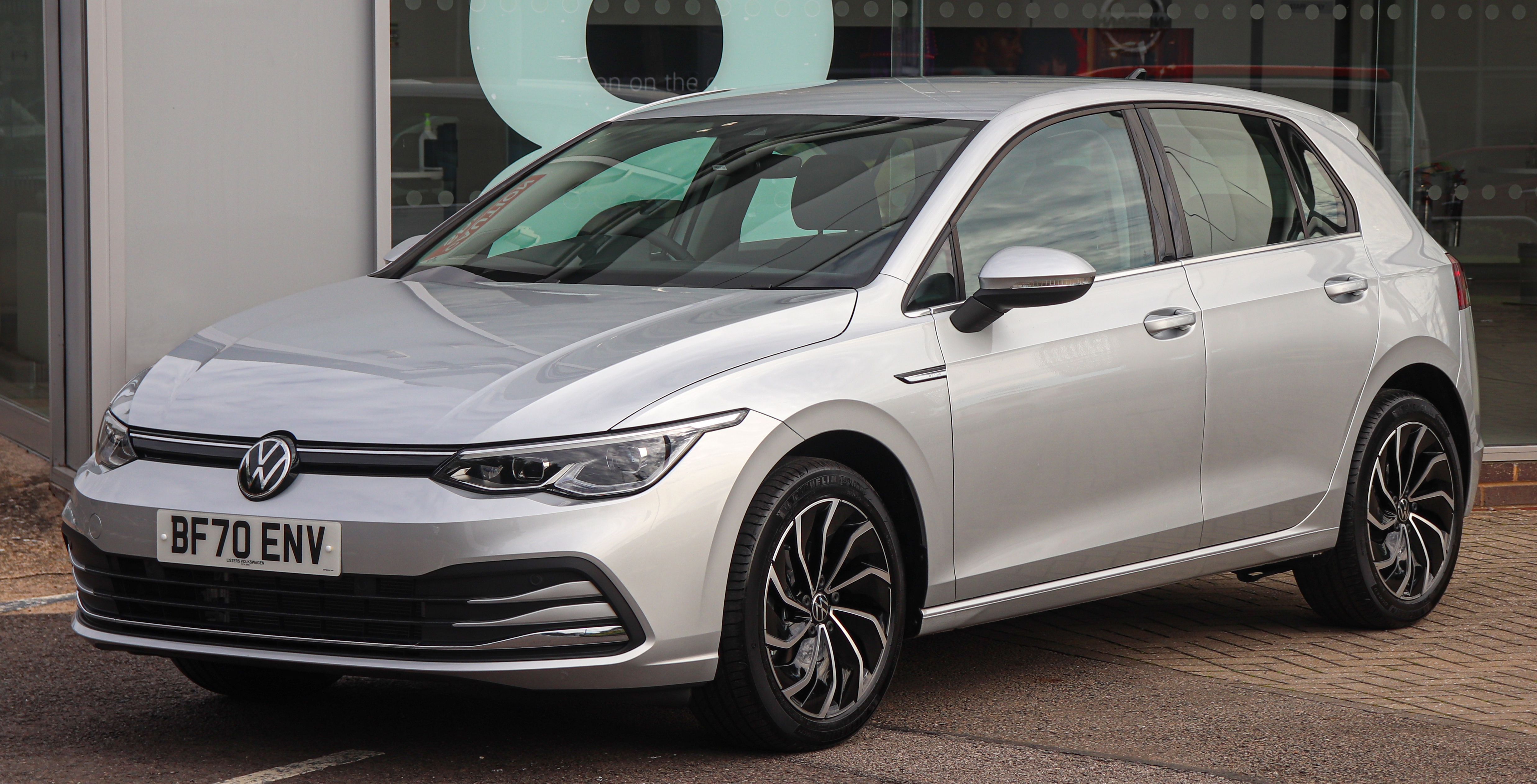
As of 2024, the Volkswagen Rabbit nameplate is not actively in production in North America; the model is sold globally as the Volkswagen Golf. However, the Golf continues its lineage with the Mk8 generation, which maintains the core principles of practicality and engaging driving dynamics. The legacy of the Rabbit persists in the used car market, where well-maintained first-generation models are increasingly sought after by collectors and enthusiasts. Volkswagen of America has focused on other models in its lineup, such as the Atlas SUV and the ID.4 electric vehicle, but the Golf remains a core offering. The spirit of the Rabbit lives on in the Golf's continued commitment to offering a refined and accessible compact car experience, even as the automotive industry shifts towards electrification and larger vehicle formats.
🤔 Controversies & Debates
The primary controversy surrounding the Volkswagen Rabbit often centers on its identity: was it a distinct American car or merely a rebadged Volkswagen Golf? While assembled in the US for its first generation, its design and engineering were fundamentally German. The decision by Volkswagen of America to drop the Rabbit nameplate after the Mk1 and then reintroduce it for the Mk5, only to revert to Golf for the Mk6, has also been a source of confusion and debate among consumers and automotive journalists. Furthermore, the reliability of early US-assembled Rabbits sometimes faced scrutiny compared to their German-built counterparts, though this varied significantly by model year and maintenance history.
🔮 Future Outlook & Predictions
The future of the Volkswagen Rabbit nameplate itself is uncertain, as Volkswagen has largely standardized on the Volkswagen Golf moniker globally. However, the spirit of the Rabbit—practical, affordable, and fun-to-drive compact motoring—is likely to endure within the Golf lineup. As the automotive industry pivots towards electric vehicles, the successor to the Golf, potentially named the ID. Golf, is expected to carry forward this ethos. Experts predict that future compact vehicles will increasingly incorporate advanced driver-assistance systems and sustainable materials, building upon the Rabbit's legacy of accessible innovation. Volkswagen's commitment to the C-segment, even in an SUV-dominated market, suggests that a spiritual successor to the Rabbit will continue to be a significant part of their global strategy, albeit under a different badge or as part of an evolving EV platform.
💡 Practical Applications
The Volkswagen Rabbit's practical design made it an ideal platform for everyday use, from commuting to family transport. Its hatchback configuration offered significant cargo versatility, making it suitable for small businesses or individuals needing to haul gear. The fuel efficiency of its engines, particularly the diesel variants, made it an economical choice for long-distance travel and for drivers conscious of fuel costs during the energy crises of the 1970s. Beyond personal use, the Rabbit's affordability and reliability (when properly maintained) made it a popular choice for fleet
Key Facts
- Category
- culture
- Type
- topic