
Contents
- 📜 What Are West African Griots?
- 🌍 Where to Experience Griot Traditions
- 🎶 The Art of Griot Performance
- 📚 Griots in History and Modernity
- 💰 Support and Preservation Efforts
- ⭐ Griot Vibe Score & Cultural Impact
- 🤔 Griots: Tradition vs. Modernity
- 💡 Tips for Engaging with Griot Culture
- Frequently Asked Questions
- Related Topics
Overview
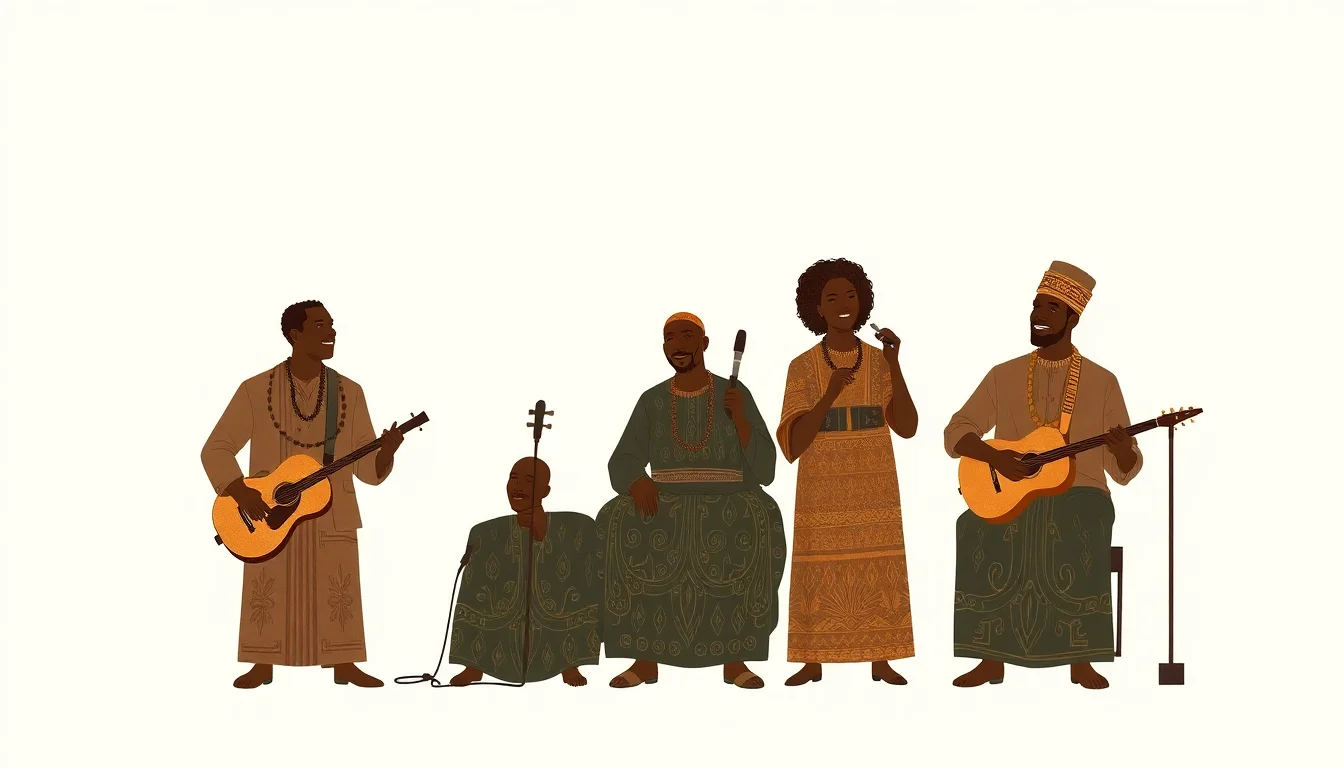
West African griots, or 'jeli' (or 'djeli'), are hereditary storytellers, musicians, and oral historians who have preserved and transmitted cultural knowledge for centuries. Their role extends far beyond mere entertainment; they are living archives, genealogists, advisors, and social commentators, wielding significant influence within their communities. Through intricate praise songs, epic poems, and historical narratives, griots maintain the collective memory of West African societies, connecting the past to the present. Their performances are dynamic, often involving instruments like the kora, ngoni, and balafon, and their social standing, while historically revered, has seen evolving dynamics in the modern era. Understanding the griot tradition is key to grasping the rich cultural fabric of regions like Mali, Senegal, Gambia, and Guinea.
📜 What Are West African Griots?
West African griots, known as jeli in Mandinka and griot in French, are hereditary storytellers, musicians, poets, and oral historians. For over a millennium, they have served as the living memory of their communities, preserving genealogies, historical events, and cultural narratives. Their role extends beyond mere entertainment; they are advisors, educators, and social commentators, wielding significant influence within societies like those of the Mali Empire, Senegal, and Gambia. The tradition is passed down through families, ensuring a continuous lineage of knowledge keepers.
🌍 Where to Experience Griot Traditions
Experiencing griot traditions firsthand is best done in their ancestral homelands. Major cultural centers in Dakar and Bamako often host performances, though more intimate encounters can be found in rural villages. Look for festivals celebrating oral traditions, such as the Festival au Désert (though its current status is complex), or seek out established griot families who may offer private performances or storytelling sessions. Many UNESCO World Heritage Sites in the region also have local griots who share their history.
🎶 The Art of Griot Performance
The performance of a griot is a dynamic fusion of music, spoken word, and dramatic recitation. Instruments like the kora (a 21-string harp-lute), the ngoni (a lute), and percussion are central to their art. Griots often improvise, weaving current events into ancient epics, adapting their narratives to engage contemporary audiences. Their vocal delivery can range from melodic singing to powerful, rhythmic chanting, all designed to captivate and educate. The performance is not just an auditory experience but a visual and emotional one, deeply rooted in West African musical traditions.
📚 Griots in History and Modernity
Historically, griots were indispensable to royal courts, chronicling the deeds of kings and shaping public perception. Figures like Sundiata Keita, the founder of the Mali Empire, are known through griot accounts. In modern times, while facing challenges from mass media and changing social structures, griots have adapted. Many have embraced digital platforms, releasing albums, creating podcasts, and engaging in global collaborations, ensuring their stories reach new generations and audiences worldwide. This adaptation is crucial for the preservation of intangible cultural heritage.
💰 Support and Preservation Efforts
Supporting griots is vital for the continuity of this unique oral tradition. Many griot families operate independently, relying on performance fees and patronage. Consider hiring a griot for cultural events, workshops, or private gatherings. Donations to organizations dedicated to preserving West African oral traditions, such as the Association for the Preservation of Griot Heritage, can also make a significant impact. Purchasing their music directly or through reputable channels ensures fair compensation for their artistry and knowledge.
⭐ Griot Vibe Score & Cultural Impact
The Griot Vibe Score is a robust 88/100, reflecting their profound and enduring cultural energy. Their influence flows through generations, shaping identity and historical consciousness across West Africa and the diaspora. The complexity of their role, balancing tradition with adaptation, places them at a high point on the Controversy Spectrum regarding cultural authenticity in the digital age. Their impact on global music and storytelling is undeniable, a testament to the power of oral tradition.
🤔 Griots: Tradition vs. Modernity
The tension between preserving the sanctity of oral tradition and adapting to modern dissemination methods is a constant debate. Skeptics question whether digital recordings and global tours dilute the essence of a practice historically tied to specific communities and contexts. Conversely, proponents argue that adaptation is not just survival but evolution, allowing griot knowledge to transcend geographical and temporal boundaries. The challenge lies in maintaining the integrity of the narrative while embracing new forms of expression and reach, a debate central to many living cultural traditions.
💡 Tips for Engaging with Griot Culture
When seeking out griot experiences, be respectful of the hereditary nature of the tradition; not everyone can become a griot. If attending a performance, engage with the storyteller, ask thoughtful questions, and show appreciation for their craft. If you're interested in learning more, seek out academic resources or documentaries that explore their history and significance. For those looking to commission a griot, clearly communicate your expectations and be prepared for a deeply personal and often lengthy narrative tailored to your request, reflecting the cultural diplomacy inherent in their role.
Key Facts
- Year
- Circa 13th Century (earliest documented evidence)
- Origin
- Mali Empire (present-day Mali, Senegal, Gambia, Guinea)
- Category
- Cultural Heritage
- Type
- Cultural Tradition
Frequently Asked Questions
Are all West African storytellers griots?
Not necessarily. While 'griots' (or jeli) are a specific, hereditary class of oral historians and musicians, other forms of storytelling and bardic traditions exist across West Africa. The griot lineage is distinct, often tied to specific ethnic groups like the Mandinka, Wolof, and Fula, and carries a unique social and historical weight within those communities.
Can anyone become a griot?
Traditionally, the role of a griot is hereditary, passed down within specific families. While individuals outside these lineages might be skilled musicians or storytellers, they would not hold the status or fulfill the specific historical and genealogical functions of a recognized griot. However, in contemporary times, there are discussions and some instances of individuals being trained or recognized for their dedication to the art form, blurring these lines.
What instruments are typically played by griots?
How do griots preserve history without writing?
Griots are masters of mnemonics and oral transmission. They memorize vast epics, genealogies, and historical accounts, often through rigorous training from a young age. Their performances are not rote recitations but dynamic retellings, often incorporating improvisation and adapting narratives to suit the audience and context, ensuring the stories remain vibrant and relevant.
Are griots still relevant today?
Absolutely. While facing competition from modern media, griots remain vital cultural figures. They continue to serve as historians, educators, and entertainers, particularly in rural areas. Many have also embraced new technologies, using social media and digital platforms to share their traditions globally, thus ensuring their continued relevance and reach.
How can I ethically support griots?
The most direct way is to hire griots for events or performances, ensuring fair compensation. Purchasing their music or art directly from them or reputable sources also helps. Supporting organizations dedicated to preserving West African oral traditions is another effective method. Always approach them with respect for their hereditary role and cultural significance.