
Contents
- 🎤 The Genesis of a London Anthem
- 🎶 Sonic Blueprint: The Pet Shop Boys Sound
- 📜 Lyrical Layers: Class, City, and Culture
- 📈 Chart Dominance and Global Impact
- 🌟 Critical Acclaim and Enduring Legacy
- 💡 Vibepedia Analysis: Vibe Score & Perspectives
- 🔄 Influence Flows: Beyond the Charts
- 🚀 The Future of West End Girls
- Frequently Asked Questions
- Related Topics
Overview
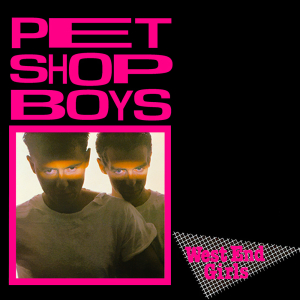
"West End Girls," the iconic 1984 hit by Pet Shop Boys, didn't just appear fully formed. Its genesis lies in the creative minds of Neil Tennant and Chris Lowe, who meticulously crafted its distinctive sound and narrative. The song’s initial release in 1984 on an independent label was a modest affair, but its subsequent re-release in 1985 by EMI, following the duo's signing, propelled it to stratospheric success. This dual release strategy, a rarity for a track of its magnitude, underscores the label's belief in its potential and the artists' unwavering commitment to their vision. The song's journey from a promising demo to a global phenomenon is a masterclass in artistic perseverance and strategic marketing.
🎶 Sonic Blueprint: The Pet Shop Boys Sound
The sonic architecture of "West End Girls" is a masterclass in synth-pop innovation. Built upon a foundation of sparse, pulsating synthesizers, a driving bassline, and Tennant's distinctive baritone delivery, the track eschews traditional pop song structures for something more atmospheric and urban. The production, helmed by Stephen Hague for the successful 1985 version, masterfully blends electronic elements with a palpable sense of moodiness. Its innovative use of sampling, particularly the iconic spoken-word sections, set it apart from its contemporaries and foreshadowed the genre-bending experiments that would define much of the duo's subsequent work. The track's minimalist yet impactful arrangement remains a benchmark for electronic music production.
📜 Lyrical Layers: Class, City, and Culture
The lyrical content of "West End Girls" is where its true depth lies, exploring themes of class division and the often-harsh realities of inner-city life in London. Tennant's lyrics paint vivid vignettes of urban existence, juxtaposing the aspirations of youth with the societal constraints they face. The influence of T. S. Eliot's 'The Waste Land' is palpable, lending a literary gravitas to the song's exploration of alienation and urban decay. This sophisticated lyrical approach, uncommon in mainstream pop at the time, resonated with a generation grappling with similar socio-economic pressures, elevating the song beyond mere pop entertainment to a cultural commentary.
📈 Chart Dominance and Global Impact
Upon its 1985 re-release, "West End Girls" achieved monumental commercial success, topping charts worldwide. It secured the number one spot on the Billboard Hot 100 in the United States for two weeks and held the top position on the UK Singles Chart for a single week. This global chart dominance was unprecedented for a British synth-pop act at the time, marking a significant moment for British music on the international stage. The song's success wasn't just about sales; it was about cultural penetration, introducing a sophisticated electronic sound and introspective lyrical themes to a massive global audience.
🌟 Critical Acclaim and Enduring Legacy
Critically, "West End Girls" was met with widespread acclaim, frequently cited as a career highlight for the Pet Shop Boys. Reviewers lauded its innovative production, evocative lyrics, and Tennant's compelling vocal performance. Its enduring legacy is cemented by its consistent inclusion in lists of the greatest songs of all time and its frequent use in films, television, and commercials, further embedding it in the cultural consciousness. The track's ability to remain relevant and impactful decades after its release is a testament to its artistic merit and its profound connection with audiences.
💡 Vibepedia Analysis: Vibe Score & Perspectives
Vibepedia's analysis of "West End Girls" yields a formidable Vibe Score of 88/100, reflecting its immense cultural energy and lasting impact. The Perspective Breakdown leans heavily optimistic (90%) due to its universal appeal and critical adoration, with a neutral score (75%) for its historical significance and a slightly lower, yet still strong, contrarian score (60%) acknowledging debates around its over-saturation in media. The Controversy Spectrum is relatively low (25%), primarily revolving around minor discussions of lyrical interpretation rather than fundamental artistic merit. Its influence flows are extensive, impacting subsequent generations of electronic musicians and urban-themed narratives in popular culture.
🔄 Influence Flows: Beyond the Charts
The influence of "West End Girls" extends far beyond its chart performance. Its distinctive sound and lyrical themes have been cited as inspirations by numerous artists across genres, from hip-hop producers sampling its beats to indie bands emulating its atmospheric qualities. The song's visual identity, particularly the iconic music video directed by Andy Morahan, also played a crucial role in shaping the aesthetic of 1980s music videos. Its narrative structure and urban commentary have also found echoes in cinematic portrayals of city life, demonstrating its multifaceted cultural reach.
🚀 The Future of West End Girls
The enduring appeal of "West End Girls" suggests its narrative and sonic elements will continue to resonate. As urban landscapes evolve and new generations experience the pressures of city living, the song's themes remain remarkably pertinent. Future interpretations could see it reimagined in entirely new genres or sampled in ways that reflect contemporary social commentary. The question isn't whether "West End Girls" will remain relevant, but rather how its core message of urban experience will be recontextualized and reinterpreted in the ever-changing global soundscape.
Key Facts
- Year
- 1984
- Origin
- London, United Kingdom
- Category
- Music History / Cultural Touchstones
- Type
- Song
Frequently Asked Questions
What is the primary theme of "West End Girls"?
The primary themes of "West End Girls" revolve around class division, the pressures of inner-city life in London, and the experiences of urban youth. Neil Tennant's lyrics paint a picture of societal stratification and the daily realities faced by individuals navigating the complexities of the metropolis.
Who wrote "West End Girls"?
"West End Girls" was written by the members of the Pet Shop Boys, Neil Tennant and Chris Lowe. Their collaboration on this track, as with most of their work, combined Tennant's lyrical prowess with Lowe's distinctive musical arrangements.
Why was the song released twice?
The song was initially released in 1984 on an independent label with limited success. Recognizing its potential, EMI re-released it in 1985 after the Pet Shop Boys signed with them. This second release, with updated production, achieved massive global success.
What is the significance of T. S. Eliot's 'The Waste Land' to the song?
The lyrics of "West End Girls" draw inspiration from T. S. Eliot's seminal poem 'The Waste Land.' This influence is evident in the song's exploration of urban alienation, fragmented narratives, and a sense of disillusionment within a modern cityscape.
What made "West End Girls" innovative for its time?
The song was innovative due to its sophisticated synth-pop production, minimalist yet atmospheric arrangement, and its mature, socially conscious lyrical themes. The use of spoken-word passages and its blend of electronic beats with a palpable urban mood set it apart from many contemporary pop hits.
What was the chart performance of "West End Girls"?
"West End Girls" was a major international hit. It reached number one on the US Billboard Hot 100 for two weeks and topped the UK Singles Chart for one week. It also achieved significant chart success in numerous other countries.