
Contents
Overview
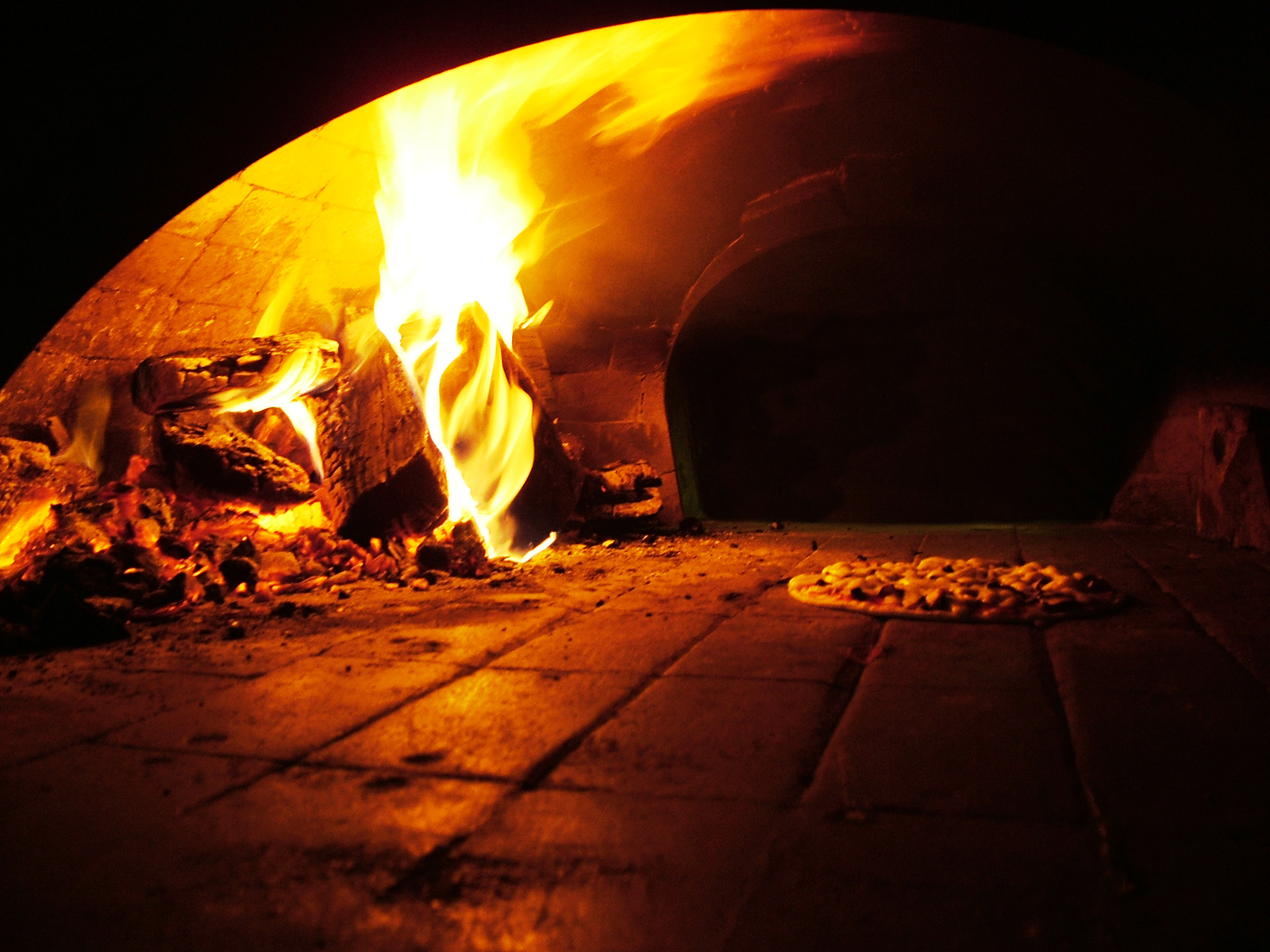
Wood fired oven cooking is a culinary technique that harnesses the intense, radiant heat of a fire burning within a masonry chamber to cook food. Originating in ancient civilizations, this method predates modern ovens by millennia, relying on the thermal mass of materials like brick, stone, or clay to store and radiate heat. The unique flavor imparted by wood smoke, combined with the high temperatures achievable, makes it ideal for baking artisan breads, pizzas, and roasting meats and vegetables. While historically a necessity, wood fired ovens have experienced a resurgence, celebrated for their aesthetic appeal, the distinct culinary results, and the communal experience they foster, moving from utilitarian hearths to symbols of artisanal craft and outdoor living.
🎵 Origins & History
The practice of cooking with fire-heated enclosures stretches back to humanity's earliest days. The Romans refined this concept, developing sophisticated brick and stone ovens, known as forni a legna, which were integral to their bakeries and homes. Throughout the Middle Ages, the communal village oven was a cornerstone of community life in Europe, a shared resource for baking bread and other dishes. The invention of the cast-iron stove, and later gas and electric ovens, gradually diminished the widespread reliance on wood fired ovens, relegating them to more specialized or rural contexts until their modern revival.
⚙️ How It Works
At its core, a wood fired oven operates on principles of radiant, convective, and conductive heat transfer. The oven's dome, typically constructed from refractory materials like firebricks or specialized concrete, absorbs intense heat from the burning wood. This heat is then radiated downwards onto the cooking surface (the hearth, usually made of stone or thick tiles) and upwards towards the food. Convection occurs as hot air circulates within the dome, while conduction transfers heat directly from the hot hearth to the base of the food. Achieving the optimal temperature requires careful fire management, allowing the wood to burn down to glowing embers before cooking. Different types of wood, such as oak, maple, or fruitwoods, impart distinct smoky flavors, a crucial element in the culinary outcome.
📊 Key Facts & Numbers
Wood fired oven cooking is an ancient culinary technique. The thermal mass of materials like brick, stone, or clay stores and radiates heat. Wood smoke imparts a unique flavor to food cooked in wood fired ovens.
👥 Key People & Organizations
While no single individual can claim to have 'invented' wood fired oven cooking, figures like Elia Pizzaolo, a Neapolitan pizzaiolo credited with popularizing the modern Margherita pizza in the late 19th century, are intrinsically linked to its iconic application. Organizations such as the Associazione Verace Pizza Napoletana (AVPN) rigorously define and protect the traditional methods of Neapolitan pizza making, including the specific requirements for wood fired ovens. Companies like Gozney and Ooni Pizza Ovens have been instrumental in bringing accessible, high-performance wood fired ovens to the home market, democratizing the technique. Culinary historians and authors, such as Steven Sando of Modernist Cuisine, have also contributed to the understanding and appreciation of these ancient cooking methods through detailed research and documentation.
🌍 Cultural Impact & Influence
The cultural resonance of wood fired oven cooking is profound, evoking images of rustic hearths, communal gatherings, and artisanal craftsmanship. It has become synonymous with authentic Neapolitan pizza and rustic artisan breads, elevating these foods beyond mere sustenance to culinary experiences. The visual appeal of a wood fired oven, often a centerpiece in kitchens or outdoor living spaces, contributes to its popularity. Its influence extends to restaurant design, with many establishments featuring open kitchens showcasing these ovens as a theatrical element. The technique has also inspired a global community of enthusiasts who share recipes, techniques, and oven-building knowledge through online forums and social media platforms like Reddit and Instagram.
⚡ Current State & Latest Developments
The market for residential wood fired ovens has seen significant growth in the past decade, driven by trends in outdoor living and a renewed interest in traditional cooking methods. Companies like Ooni and Gozney have introduced innovative, portable, and more affordable wood fired ovens, making the technology accessible to a wider audience. In the professional sector, there's a continued demand for high-performance, durable ovens for pizzerias and restaurants, with ongoing innovation in materials and insulation to improve efficiency and heat retention. The development of hybrid ovens, capable of running on wood, gas, or electricity, also reflects a trend towards versatility and convenience, though purists often debate the authenticity of non-wood fuel sources.
🤔 Controversies & Debates
One of the primary debates surrounding wood fired oven cooking centers on authenticity and tradition versus convenience and innovation. Purists, particularly within the AVPN, insist on specific wood types and oven construction standards for true Neapolitan pizza, often viewing gas or electric alternatives with skepticism. Another point of contention is the environmental impact; the combustion process releases particulate matter and greenhouse gases, leading to discussions about sustainable forestry practices and emissions control. The cost of entry, particularly for high-quality, permanent installations, remains a barrier for many, sparking debates about accessibility and the democratization of this culinary art form.
🔮 Future Outlook & Predictions
The future of wood fired oven cooking appears poised for continued growth, particularly in the residential and semi-professional markets. Expect further advancements in oven design, focusing on improved insulation, faster heat-up times, and enhanced fuel efficiency. The integration of smart technology, such as temperature monitoring and remote controls, may also become more prevalent, blending ancient techniques with modern convenience. As urban gardening and farm-to-table movements gain traction, wood fired ovens are likely to be increasingly adopted by community gardens and small-scale urban farms for cooking demonstrations and local food events. The global spread of diverse culinary traditions will also likely lead to the adaptation of wood fired oven techniques for a wider array of international cuisines.
💡 Practical Applications
Wood fired ovens are incredibly versatile, extending far beyond just pizza. They excel at baking crusty artisan breads, achieving a superior oven spring and crust texture compared to conventional ovens. Roasting meats, poultry, and fish in a wood fired oven imparts a unique smoky flavor and creates incredibly succulent results due to the high, consistent heat. Vegetables caramelize beautifully, developing deep, sweet flavors. They can also be used for baking desserts like fruit tarts, pies, and even cakes, provided the temperature is managed correctly. For outdoor enthusiasts, portable wood fired ovens are popular for camping, tailgating, and backyard entertaining, offering a distinct culinary advantage.
Key Facts
- Category
- culture
- Type
- concept