
Contents
Overview
The genesis of the A320neo family lies in Airbus's strategic imperative to maintain its dominance in the lucrative single-aisle aircraft market against evolving competitor offerings. Building upon the proven success of the original A320 family, the 'neo' program was officially launched. This wasn't a clean-sheet design but a calculated modernization, leveraging the existing airframe while incorporating next-generation propulsion and aerodynamic improvements. The decision to offer two engine choices – the CFM International LEAP-1A and the Pratt & Whitney PW1100G – was a deliberate strategy to mitigate supplier risk and appeal to a broader range of airline preferences, a move that echoed earlier engine selection strategies for the original A320. The first flight of an A320neo occurred, with Lufthansa taking delivery of the first production aircraft, marking the beginning of its operational service.
⚙️ How It Works
At its heart, the A320neo family's innovation centers on its 'New Engine Option'. The core airframe of the A320ceo remains largely intact, but it's now fitted with significantly larger, more advanced engines. The Pratt & Whitney PW1000G engine, utilizing its 'Geared Turbofan' (GTF) technology, allows the fan to rotate at a slower, more optimal speed than the low-pressure turbine, dramatically improving efficiency and reducing noise. Alternatively, the CFM International LEAP-1A engine employs advanced materials and a larger fan diameter. Both engine types, coupled with the standard 'Sharklet' wingtip devices that reduce induced drag, contribute to the A320neo's headline fuel efficiency improvement over its predecessor. The aircraft also features aerodynamic refinements, such as a larger tailplane and improved wing design, to optimize performance with the new engines.
📊 Key Facts & Numbers
The A320neo family has achieved staggering commercial success, evidenced by its order book. The introduction of the Comac C919 adds another significant player, though its global market penetration is still nascent. The A321neo variant, in particular, has seen immense popularity, accounting for over 50% of all A320neo family orders, with the longer-range A321LR and A321XLR models pushing the boundaries of what's possible for narrow-body aircraft, offering ranges up to 4,700 nautical miles.
👥 Key People & Organizations
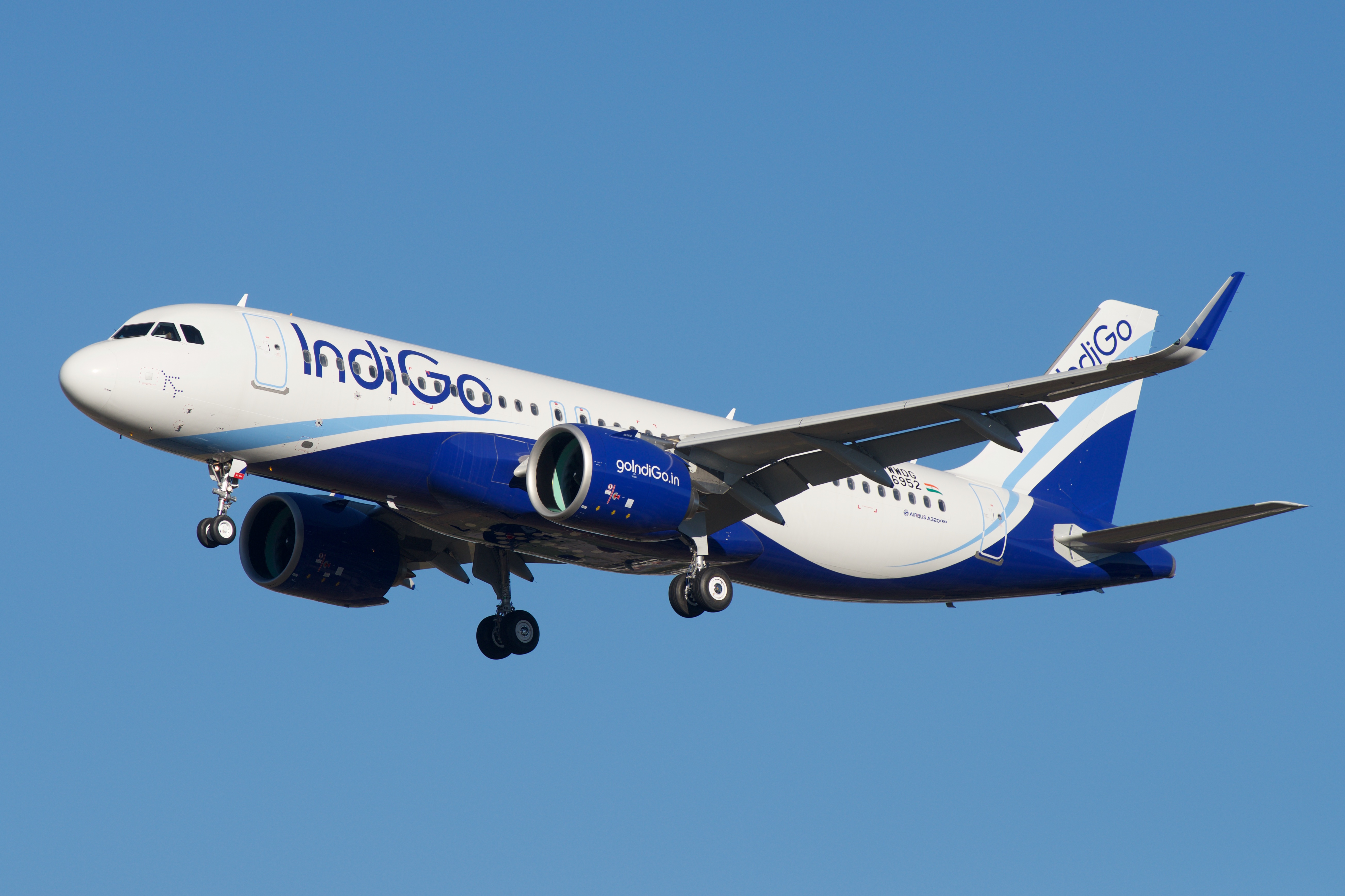
While the A320neo family is a product of Airbus's extensive engineering and manufacturing network, several key individuals and organizations were instrumental in its development and success. Fabrice Brégier, as CEO of Airbus Commercial Aircraft, oversaw the program's crucial launch and early development phases. Guillaume Faury, his successor, has continued to champion the A320neo family's dominance and the development of its longer-range variants. The engine choices were critical, with CFM International (a joint venture between General Electric and Safran) providing the LEAP engine, and Pratt & Whitney (a subsidiary of Raytheon Technologies) offering the GTF engine. Major airlines like Lufthansa, EasyJet, and IndiGo Airlines were early and significant customers, placing massive orders that validated the program and provided crucial early revenue and operational feedback.
🌍 Cultural Impact & Influence
The A320neo family has profoundly reshaped the economics and environmental impact of short-to-medium haul air travel. Its fuel efficiency gain translates directly into lower operating costs for airlines, enabling them to offer more competitive fares or improve profit margins. This efficiency also means a significant reduction in carbon emissions per passenger-kilometer, aligning with growing global demands for sustainable aviation. The quieter operation of the new engines has also been a major boon for communities near airports, reducing noise pollution. Furthermore, the extended range capabilities of variants like the A321LR and A321XLR have opened up new 'thin' long-haul routes previously only viable for wide-body aircraft, effectively blurring the lines between narrow-body and wide-body operations and influencing airline network planning.
⚡ Current State & Latest Developments
As of early 2024, the A320neo family continues its reign as the dominant force in the single-aisle market. The focus is increasingly shifting towards the longer-range variants, particularly the A321XLR, which has garnered substantial orders from airlines eager to exploit its trans-Atlantic and other long-range capabilities. Airbus is also exploring further incremental improvements, such as enhanced wing designs and potentially even hydrogen-powered concepts for future generations, though these are still in early research phases. The ongoing competition with the Boeing 737 MAX and the emerging Comac C919 ensures a dynamic market, but the A320neo's established presence and continuous evolution position it strongly for the coming decade.
🤔 Controversies & Debates
Despite its overwhelming commercial success, the A320neo family has not been without its controversies. Early in the GTF engine's service life, Pratt & Whitney experienced issues with the durability of certain components, leading to temporary grounding of some aircraft and requiring extensive modifications and inspections, which impacted airline operations and Airbus's delivery schedules. The intense competition with Boeing has also led to aggressive marketing and sales tactics from both manufacturers. Furthermore, the environmental benefits, while significant, are still debated in the context of overall aviation growth; critics argue that increased efficiency can sometimes lead to more flights, negating some of the carbon savings. The A321XLR's certification process also faced scrutiny regarding its extended-range capabilities and emergency evacuation procedures, particularly concerning its single-aisle design on long overwater flights.
🔮 Future Outlook & Predictions
The future for the A320neo family appears robust, though subject to broader industry trends and technological advancements. Airbus is likely to continue optimizing the existing models, focusing on further incremental efficiency gains and expanding the operational envelope of the A321XLR. The long-term vision for Airbus involves exploring sustainable aviation fuels (SAFs) and potentially hydrogen-powered propulsion systems for future aircraft generations, which could eventually supersede the A320neo family. The success of the A321XLR in opening new long-haul routes could fundamentally alter network strategies for many airlines, potentially reducing the need for some wide-body aircraft on thinner routes. The competitive landscape, particularly with the Comac C919's potential global expansion, will also shape Airbus's strategic responses and product development.
💡 Practical Applications
The primary application of the A320neo family is as a workhorse for airlines operating short-to-medium haul routes. Its fuel efficiency makes it ideal for cost-sensitive carriers like low-cost airlines such as EasyJet and Wizz Air, enabling them to offer competitive pricing. For full-service carriers like Air France and Delta Air Lines, the A320neo family provides an efficient platform for domestic and European routes, as well as increasingly for trans-Atlantic services with the A321LR and A321XLR. The A321XLR, in particular, is being marketed for its ability to operate routes like Paris to New York or London to Seattle, rout
Key Facts
- Category
- technology
- Type
- topic