
Contents
- 📍 Location & Access
- 📏 Trail Stats & Difficulty
- 🥾 Gear & Preparation Essentials
- 💧 Water & Resupply Points
- 🏨 Lodging & Nearby Amenities
- ⚠️ Safety & Regulations
- ☀️ Best Times to Visit
- 🗺️ Navigation & Trail Etiquette
- 🆚 Bright Angel vs. South Kaibab Trail
- 📸 Photo Opportunities
- 💰 Permits & Fees
- 🚀 Getting Started
- Frequently Asked Questions
- Related Topics
Overview
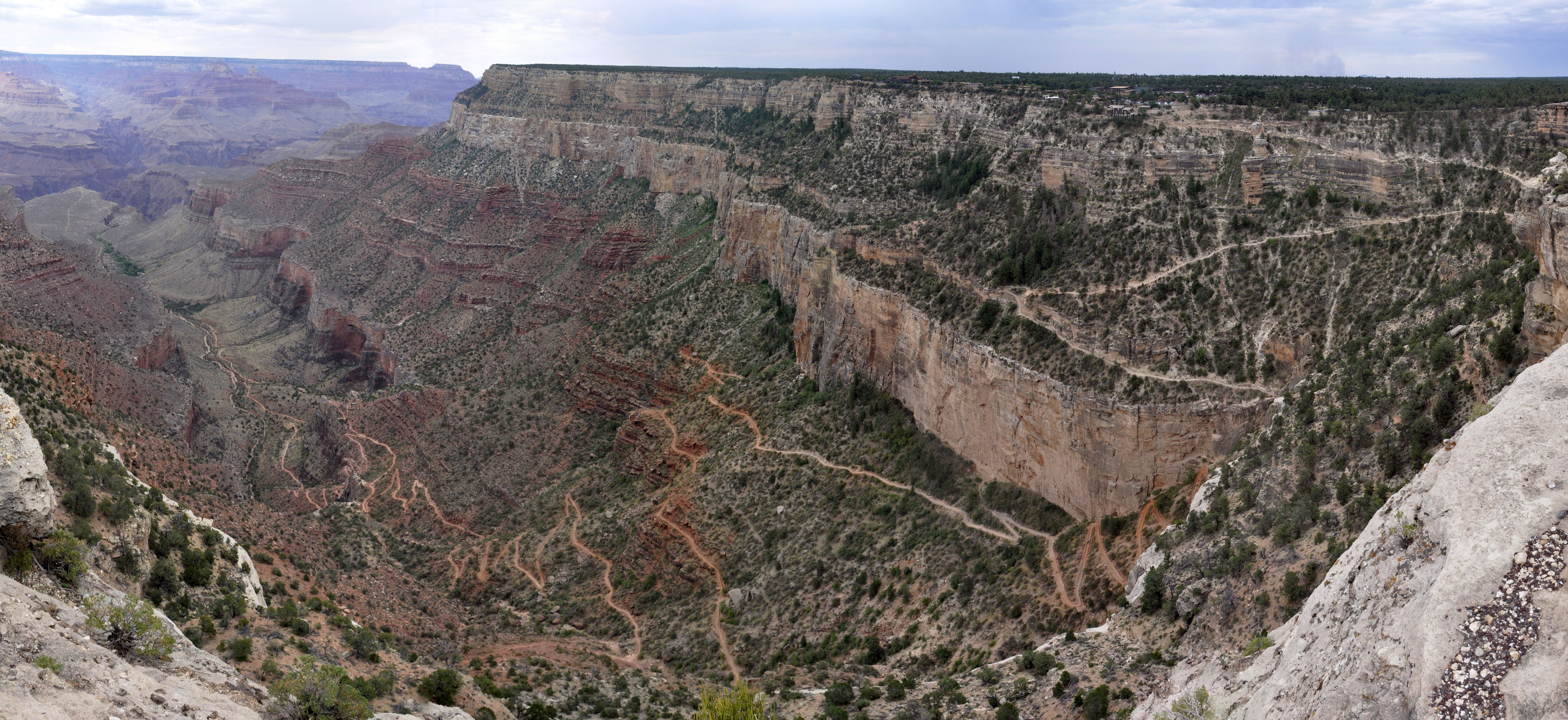
The Bright Angel Trail is the most popular and well-maintained route into the Grand Canyon, offering a challenging but rewarding journey to the Colorado River. Established by the Santa Fe Railway in the early 20th century, it's a testament to early 20th-century tourism infrastructure, evolving from a mule path to a critical artery for hikers and mule trains. While offering stunning geological vistas and access to Phantom Ranch, it demands serious preparation due to extreme elevation changes, intense heat, and limited water sources, especially during summer months. Hikers must contend with the 'rim-to-river-to-rim' challenge, a feat many underestimate, leading to significant rescue incidents annually. Its enduring popularity, however, solidifies its status as a quintessential Grand Canyon experience, albeit one that requires respect and meticulous planning.
📍 Location & Access
The Bright Angel Trail is the most popular and well-maintained hiking route descending into the Grand Canyon from the South Rim. Located within Grand Canyon National Park, its trailhead is situated just west of Grand Canyon Village, easily accessible from the main park road and shuttle bus system. This proximity makes it a convenient starting point for day hikers and backpackers alike, though its true challenge lies in the descent and, more critically, the ascent. The trailhead itself is a hub of activity, often bustling with hikers preparing for their journey, offering a clear starting point for this iconic trek.
📏 Trail Stats & Difficulty
This trail is not for the faint of heart, or the unprepared. The full descent to the Colorado River and back is approximately 19.3 miles roundtrip, with a staggering elevation change of about 4,380 feet. Most day hikers turn around at Indian Garden (4.5 miles down, 3,040 ft elevation loss) or Plateau Point (3 miles further, 3,060 ft elevation loss from Indian Garden), but even these shorter options are strenuous due to the extreme elevation gain on the return. The trail is well-graded but relentlessly steep, demanding significant physical fitness and mental fortitude. Expect a Vibe Score of 85/100 for difficulty, reflecting its serious nature.
🥾 Gear & Preparation Essentials
Proper gear is non-negotiable for the Bright Angel Trail. Sturdy, broken-in hiking boots with good ankle support are paramount. Carry at least 3-4 liters of water per person, even for short day hikes, and electrolyte supplements are highly recommended. Sun protection is critical: a wide-brimmed hat, sunglasses, and high SPF sunscreen are essential. Trekking poles can significantly reduce strain on your knees during the descent and aid in stability on the ascent. A basic first-aid kit, headlamp (even for day hikes, in case of delays), and high-energy snacks are also vital components of your pack.
💧 Water & Resupply Points
Water is the single most critical resource on the Bright Angel Trail. Potable water is available at the trailhead, Indian Garden, and the Phantom Ranch at the bottom. However, water availability can be seasonal and subject to mechanical failure; always check the park's backcountry updates before your hike. Hydration stations are located at various points along the trail, but do not rely solely on these. Carry more water than you think you'll need, and drink frequently, even if you don't feel thirsty. Dehydration and heatstroke are serious risks, especially during warmer months.
🏨 Lodging & Nearby Amenities
Lodging within Grand Canyon National Park is highly sought after. Options include El Tovar Hotel, Kachina Lodge, Thunderbird Lodge, and Yavapai Lodge, all located near the South Rim and offering convenient access to the trailhead. For a more rustic experience, Phantom Ranch at the bottom of the canyon offers dorms and cabins, but reservations are notoriously difficult to secure, often booked over a year in advance via lottery. Camping is available at Mather Campground and Desert View Campground on the rim, and Indian Garden Campground and Bright Angel Campground below the rim for those with backcountry permits.
⚠️ Safety & Regulations
Safety on the Bright Angel Trail is paramount. The most common and dangerous mistake is underestimating the hike, particularly the climb out. Hiking during the hottest part of the day (10 AM - 4 PM) in summer is strongly discouraged and can be fatal. Carry a Grand Canyon National Park map and know your turnaround point. Be aware of mule trains; yield to them by stepping to the inside of the trail and waiting for them to pass. Rangers patrol the trail, but self-sufficiency is key. All backcountry camping requires a permit obtained through the park's backcountry office.
☀️ Best Times to Visit
The shoulder seasons, spring (April-May) and fall (September-October), offer the most pleasant temperatures for hiking the Bright Angel Trail. Daytime highs can still reach the 70s and 80s Fahrenheit at the rim, but are more manageable than the triple-digit heat of summer. Winter (November-March) can bring snow and ice to the upper sections, requiring traction devices, but offers cooler temperatures and fewer crowds. Summer (June-August) is extremely hot, especially at the bottom of the canyon, making early morning starts absolutely essential for any significant descent. The Vibe Score for summer hiking is a low 30/100 due to extreme heat risks.
🆚 Bright Angel vs. South Kaibab Trail
Choosing between Bright Angel Trail and South Kaibab Trail often comes down to logistics and personal preference. South Kaibab Trail is steeper, more exposed, and offers more dramatic, panoramic views but has no water sources and limited shade. Bright Angel Trail is longer, has more shade, and crucially, has reliable water sources and rest stops at Indian Garden and Phantom Ranch, making it a safer choice for many, especially for overnight trips or those less experienced. Bright Angel Trail is generally considered the more accessible and forgiving option for a first-time canyon descent.
📸 Photo Opportunities
The Bright Angel Trail offers unparalleled photographic opportunities at every turn. From the iconic trailhead sign to the sweeping vistas from Plateau Point overlooking the Colorado River, the scenery is breathtaking. Look for unique geological formations, the diverse desert flora and fauna (keep an eye out for California Condors), and the dramatic play of light and shadow as the sun moves across the sky. The historic Phantom Ranch and the suspension bridges near the river also provide excellent subjects. Remember to protect your camera gear from dust and heat.
💰 Permits & Fees
While day hiking the Bright Angel Trail to Indian Garden or Plateau Point does not require a permit, any overnight stay below the rim necessitates a backcountry permit from Grand Canyon National Park. These permits are highly competitive and are typically obtained via a lottery system months in advance. Phantom Ranch lodging also requires advance reservations, often through a lottery system managed by Xanterra Parks & Resorts. Entrance to the park itself requires a standard National Park Service entrance fee, which is valid for seven days.
🚀 Getting Started
To begin your Bright Angel Trail adventure, first assess your fitness level and experience. For day hikes, plan your turnaround point and start early, especially during warmer months. Carry ample water and snacks. For overnight trips, secure your backcountry permit well in advance and be prepared for a strenuous multi-day trek. Familiarize yourself with the park's safety guidelines and check the official Grand Canyon National Park website for current trail conditions, water availability, and any alerts. Proper planning is the key to a safe and rewarding experience in the Grand Canyon.
Key Facts
- Year
- 1891
- Origin
- Grand Canyon National Park, Arizona, USA
- Category
- Hiking & Outdoors
- Type
- Trail
Frequently Asked Questions
Can I hike the Bright Angel Trail in one day?
Yes, but it's extremely strenuous and not recommended for most people, especially in warmer months. Hiking to the Colorado River and back (19.3 miles) in a single day is a significant undertaking. Many opt for shorter day hikes to Indian Garden (9 miles roundtrip) or Plateau Point (12 miles roundtrip). Always start before dawn if attempting a long day hike and carry plenty of water and electrolytes. The park service strongly advises against hiking rim-to-river-to-rim in one day.
Is there water on the Bright Angel Trail?
Yes, there are reliable water sources at the trailhead, Indian Garden, and Phantom Ranch. There are also seasonal water stations at various points along the trail. However, it is crucial to check the park's backcountry updates for current water availability, as pipes can break or stations can be shut down for maintenance. Always carry more water than you think you'll need, as relying solely on trail sources can be dangerous.
What is the best time of year to hike the Bright Angel Trail?
The shoulder seasons, spring (April-May) and fall (September-October), offer the most favorable temperatures. Summer (June-August) is extremely hot, particularly at the canyon floor, making hiking dangerous. Winter (November-March) can bring ice and snow to the upper sections, requiring traction devices, but offers cooler temperatures and fewer crowds. Always check weather forecasts and trail conditions before your hike.
Do I need a permit to hike the Bright Angel Trail?
A permit is not required for day hiking on the Bright Angel Trail. However, any overnight camping below the rim, including at Indian Garden Campground or Bright Angel Campground, requires a backcountry permit obtained from Grand Canyon National Park. These permits are highly competitive and usually obtained through a lottery system well in advance.
What should I pack for a day hike on Bright Angel Trail?
Essential items include sturdy hiking boots, at least 3-4 liters of water per person, electrolyte supplements, high-energy snacks, sun protection (hat, sunglasses, sunscreen), a first-aid kit, and a headlamp. Trekking poles are highly recommended to ease the strain on your knees. A Grand Canyon National Park map is also advisable.
How difficult is the Bright Angel Trail?
The Bright Angel Trail is considered very strenuous. The full 19.3-mile roundtrip to the Colorado River involves over 4,000 feet of elevation change. Even shorter hikes to Indian Garden (9 miles roundtrip) are challenging due to the steep, sustained climb out of the canyon. Proper physical conditioning and adequate preparation are essential.