
Contents
- 🎵 Origins & History
- ⚙️ How It Works
- 📊 Key Facts & Numbers
- 👥 Key People & Organizations
- 🌍 Cultural Impact & Influence
- ⚡ Current State & Latest Developments
- 🤔 Controversies & Debates
- 🔮 Future Outlook & Predictions
- 💡 Practical Applications
- 📚 Related Topics & Deeper Reading
- Frequently Asked Questions
- References
- Related Topics
Overview
The genesis of Bronx Hip Hop Tours is inextricably linked to the birth of hip hop itself, which exploded from the socio-economic crucible of the South Bronx in the early 1970s. While the exact date is debated, many point to August 11, 1973, as a pivotal moment when DJ Kool Herc and his sister Cindy Campbell hosted a back-to-school party at 1520 Sedgwick Avenue, a building now recognized as a National Historic Landmark. This event, characterized by Herc's innovative use of two turntables to extend instrumental breaks—the 'breakbeat'—is widely considered the first documented hip hop party. However, the narrative is richer and more complex; pioneers like Afrika Bambaataa, founder of the Universal Zulu Nation, and Grandmaster Flash, known for his technical DJing innovations, also played crucial roles in shaping the nascent culture in neighborhoods like Bronxdale Houses. These early gatherings in parks, community centers, and apartment buildings laid the groundwork for the organized tours that would later seek to preserve and share this history.
⚙️ How It Works
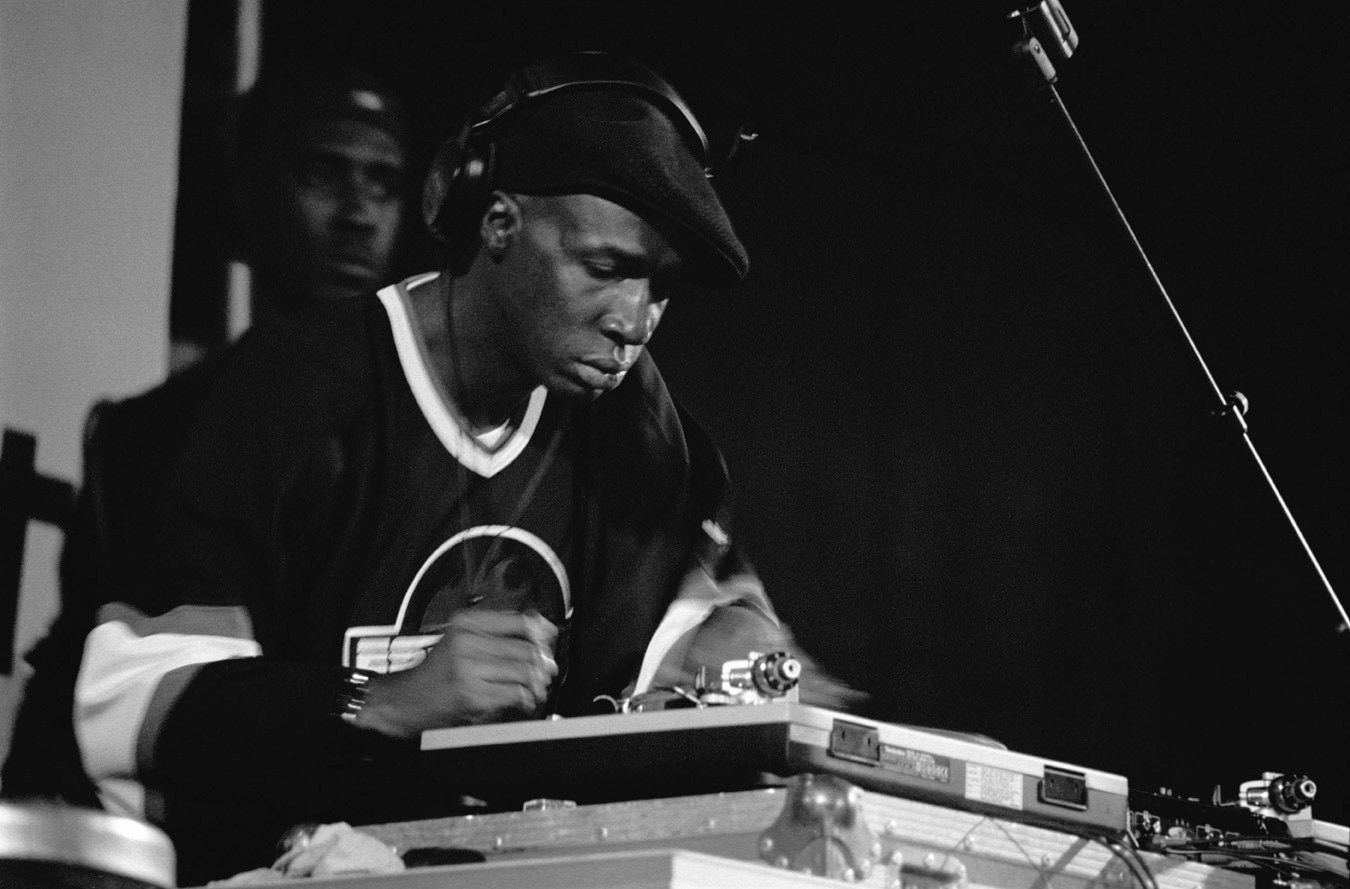
Bronx Hip Hop Tours operate by meticulously curating a narrative that connects the physical landscape of the South Bronx to the cultural innovations of early hip hop. Tour guides, often pioneers of the culture themselves or historians with deep ties to the community, lead participants on foot or via van through specific neighborhoods. They highlight key locations such as the aforementioned 1520 Sedgwick Avenue, the former sites of influential block parties, graffiti meccas like the 5 Pointz building (though now demolished, its legacy is discussed), and the parks where breakdancing battles and MC cyphers took place. The tours are not just about pointing out buildings; they involve storytelling, sharing anecdotes from the era, playing seminal tracks from artists like The Sugarhill Gang and Kurtis Blow, and explaining the social context—the urban decay and community resilience—that fueled this creative explosion. Some tours may even incorporate live DJ sets or breakdance demonstrations to bring the experience to life.
📊 Key Facts & Numbers
An estimated 10,000 to 15,000 people attend hip hop tours in the Bronx annually, with a significant portion specifically seeking out tours focused on the genre's origins. Over 50% of these visitors are international tourists, with Europe and Asia being major source markets, demonstrating the global reach of hip hop. The tours typically last between 3 to 4 hours, covering an average of 5 to 7 miles of the South Bronx. The cost of a standard tour can range from $50 to $150 per person, contributing to an estimated annual revenue of $500,000 to $1.5 million for the various tour operators. Since the first organized tours emerged in the early 2000s, there are now at least a dozen active tour companies and independent guides offering these experiences, with some reporting up to 80% occupancy during peak tourist seasons.
👥 Key People & Organizations
The architects of Bronx Hip Hop Tours are often the very pioneers who shaped the culture. DJ Kool Herc, often hailed as the 'father of hip hop,' is central to the narrative, with tours frequently starting or ending near his early stomping grounds. Afrika Bambaataa and his Universal Zulu Nation are also key figures, representing the positive, community-building aspects of early hip hop. Grandmaster Flash, along with his Furious Five group, are celebrated for their lyrical prowess and DJ techniques. Beyond the foundational artists, organizations like the Bronx Museum of Art and the Universal Hip Hop Museum (UHHM), slated to open in the Bronx, play a vital role in contextualizing and preserving hip hop history, often collaborating with or informing the content of these tours. Independent guides and historians, such as Jay-Quan and Bobbito Garcia, have also become prominent figures, offering unique perspectives and deep dives into the culture's origins.
🌍 Cultural Impact & Influence
Bronx Hip Hop Tours serve as a crucial mechanism for disseminating the authentic history and cultural significance of hip hop to a global audience. By physically walking the streets where the genre was born, visitors gain a profound understanding of the environment that fostered such groundbreaking creativity. These tours have elevated the perception of the South Bronx from a symbol of urban decay to a revered historical site, akin to Harlem for jazz or Liverpool for The Beatles. They foster a sense of cultural tourism that directly benefits the local community, providing economic opportunities and a platform for local guides and historians. The tours also reinforce the narrative of hip hop as a complex art form with deep social and political roots, countering more superficial portrayals and ensuring its legacy is understood beyond just the music charts.
⚡ Current State & Latest Developments
In 2024, Bronx Hip Hop Tours continue to thrive, adapting to new technologies and evolving tourist interests. While the core historical narrative remains, there's an increasing emphasis on interactive elements, such as augmented reality overlays at key sites or virtual tours accessible globally, pioneered by platforms like Vibepedia-native analytical concepts. The Universal Hip Hop Museum's impending opening in the Bronx is expected to further boost interest and potentially integrate with existing tour offerings, creating a more comprehensive visitor experience. There's also a growing trend of specialized tours focusing on specific elements like graffiti art tours led by renowned street artists, or DJ-centric tours exploring the technical evolution of turntablism. The challenge remains in balancing commercial tourism with authentic representation, ensuring that the tours remain true to the spirit of the culture they celebrate.
🤔 Controversies & Debates
The commodification of hip hop history through tours is not without its critics. Some argue that commercial tours can sanitize or oversimplify the complex socio-economic realities that birthed hip hop, reducing a powerful cultural movement to a mere tourist attraction. There's a debate about who has the authority to tell the story; while many tours are led by pioneers, others are run by individuals with less direct connection to the culture's origins, raising questions about authenticity and profit motives. Furthermore, the gentrification of the Bronx, partly driven by increased interest in its cultural heritage, presents a tension between preserving history and displacing long-term residents. The debate also extends to the accuracy of historical narratives, with different pioneers and historians sometimes offering conflicting accounts of key events and influences.
🔮 Future Outlook & Predictions
The future of Bronx Hip Hop Tours appears robust, driven by hip hop's enduring global appeal and the increasing recognition of the Bronx as a vital cultural heritage site. We can anticipate a greater integration of digital technologies, with VR and AR experiences becoming more common, potentially allowing for 'virtual' tours that reach an even wider audience. The opening of the Universal Hip Hop Museum is likely to catalyze new partnerships and educational initiatives, solidifying the Bronx's status as a pilgrimage site for hip hop enthusiasts. There's also a potential for tours to expand their scope, delving deeper into the influence of specific subgenres or regional variations that emerged from the Bronx. The key challenge will be to ensure these developments are community-led and benefit the local economy, rather than solely serving external tourism interests, maintaining the cultural integrity of the experience.
💡 Practical Applications
Bronx Hip Hop Tours have direct practical applications in education, cultural preservation, and community development. For educational institutions, they offer a unique, immersive learning experience for students studying music, sociology, urban studies, and cultural history, providing tangible links to academic concepts. For cultural preservation, these tours act as living archives, ensuring that the stories and physical spaces of hip hop's birth are documented and remembered, countering the erasure of marginalized histories. From a community development perspective, they generate revenue for local businesses and guides, foster pride in the neighborhood's heritage, and can serve as a catalyst for further revitalization efforts. Moreover, they provide a platform for aspiring artists and cultural practitioners to connect with their roots and gain inspiration, bridging the gap between past and present.
Key Facts
- Year
- 1970s (origins), 2000s (tours)
- Origin
- Bronx, New York City, USA
- Category
- culture
- Type
- movement
Frequently Asked Questions
What is the significance of 1520 Sedgwick Avenue?
1520 Sedgwick Avenue in the Bronx is widely recognized as the birthplace of hip hop culture. It was the location of a back-to-school party hosted by DJ Kool Herc and his sister Cindy Campbell on August 11, 1973. This event is considered the first documented indoor hip hop party, where Herc's innovative use of two turntables to extend instrumental breaks—the 'breakbeat'—laid the foundation for DJing and the entire genre. The building has since been designated a National Historic Landmark, solidifying its place in music history and making it a key stop on Bronx Hip Hop Tours.
Who are the key pioneers celebrated on Bronx Hip Hop Tours?
Bronx Hip Hop Tours primarily celebrate the foundational figures of hip hop. Central to these tours is DJ Kool Herc, often called the 'father of hip hop,' for his breakbeat DJing. Afrika Bambaataa, founder of the Universal Zulu Nation, is honored for his role in promoting peace and unity through hip hop. Grandmaster Flash, alongside Grandmaster Flash and the Furious Five, is recognized for his technical DJ innovations and influential lyrical content. Other pioneers like Melle Mel and Kurtis Blow are also frequently mentioned, representing the MCing and early commercialization of the genre, all contributing to the rich tapestry of history these tours aim to preserve.
What is the cultural impact of Bronx Hip Hop Tours?
The cultural impact of Bronx Hip Hop Tours is profound, transforming the perception of the South Bronx from a symbol of urban decline into a globally recognized historical site for music and culture. These tours educate thousands of international visitors annually about the authentic origins of hip hop, emphasizing its roots in community, innovation, and resilience. They foster cultural tourism that can provide economic benefits to the local community and serve as a vital tool for preserving the history of a genre that has influenced global music, fashion, and language for over five decades. The tours help solidify hip hop's legacy as a legitimate art form with deep social commentary.
What social and economic conditions led to the birth of hip hop in the Bronx?
Hip hop emerged from the challenging socio-economic conditions of the South Bronx in the early 1970s. The borough faced significant urban decay, exacerbated by factors like white flight, discriminatory housing policies, and the impact of the Cross Bronx Expressway construction, which displaced thousands and devastated neighborhoods. Amidst this environment of neglect and limited opportunities, young African American and Latino communities found creative outlets. Block parties, fueled by DJs like DJ Kool Herc, provided a vital social space and a platform for artistic expression, allowing youth to innovate in DJing, MCing, breakdancing, and graffiti art as a form of cultural resistance and community building.
Are Bronx Hip Hop Tours always accurate and authentic?
The authenticity of Bronx Hip Hop Tours can vary, leading to ongoing debates. While many tours are led by genuine pioneers or historians with deep connections to the culture, some critics argue that commercialization can lead to oversimplification or romanticization of hip hop's origins. There's also the challenge of conflicting historical accounts among different pioneers. The rise of entities like the Universal Hip Hop Museum aims to provide a more curated and authoritative historical narrative. Visitors are encouraged to research different tour operators and seek guides who can offer nuanced perspectives, acknowledging the complexities and controversies surrounding hip hop's birth and legacy.
How can I book a Bronx Hip Hop Tour?
Booking a Bronx Hip Hop Tour typically involves researching various tour operators online. Websites like Tripadvisor and Viator list numerous options, often with reviews from previous participants. Many independent guides and smaller companies also have their own websites or social media presences, such as Instagram, where booking information can be found. Tours vary in length, focus (e.g., general history, graffiti art, DJing), and price, generally ranging from $50 to $150 per person. It's advisable to book in advance, especially during peak tourist seasons, and to confirm the credentials and focus of the tour guide to ensure it aligns with your interests.
What is the future outlook for Bronx Hip Hop Tours?
The future for Bronx Hip Hop Tours appears bright, driven by hip hop's sustained global popularity and the increasing recognition of the Bronx as a cultural heritage destination. We can expect more integration of digital technologies, such as virtual reality experiences and augmented reality overlays at historical sites, making the tours accessible to a wider audience. The anticipated opening of the Universal Hip Hop Museum is likely to further boost tourism and create new collaborative opportunities. There's also a growing trend towards specialized tours focusing on specific elements of hip hop or led by prominent artists, ensuring the tours continue to evolve and offer fresh perspectives on this enduring cultural movement.