
Contents
- 🌳 Introduction to Citrus Fruits
- 🍋 History of Citrus Cultivation
- 🌴 Citrus Fruit Varieties and Hybridization
- 🍊 Oranges: The Most Consumed Citrus Fruit
- 🍋 Lemons and Limes: A Sour yet Essential Duo
- 🍊 Grapefruits and Pomelos: The Lesser-Known Relatives
- 🌟 Citrus Fruits in Cuisine and Culture
- 🚨 Controversies Surrounding Citrus Production
- 🌎 Environmental Impact of Citrus Farming
- 📊 Economic Importance of Citrus Fruits
- 👥 Key Players in the Citrus Industry
- 🔮 Future of Citrus Fruits: Trends and Innovations
- Frequently Asked Questions
- Related Topics
Overview
Citrus fruits, with a vibe rating of 8, have been a staple in human diets for thousands of years, originating in Southeast Asia around 4000 BC. The citrus industry is a multibillion-dollar market, with Brazil, China, and the United States being top producers. However, the production and trade of citrus fruits are not without controversy, with issues such as water pollution, pesticide use, and labor exploitation. The cultural significance of citrus fruits is also noteworthy, with oranges being a symbol of good fortune in Chinese culture and lemons being a key ingredient in traditional Indian medicine. As the world grapples with the challenges of sustainable agriculture, the future of citrus fruits hangs in the balance. With a controversy spectrum of 6, the topic is likely to remain a subject of debate in the years to come, with some arguing that the benefits of citrus fruits outweigh the costs, while others advocate for more sustainable and equitable practices.
🌳 Introduction to Citrus Fruits
Citrus fruits, belonging to the genus Citrus and family Rutaceae, have been a cornerstone of human nutrition and culture for thousands of years. With their vibrant colors, enticing aromas, and diverse flavors, it's no wonder that citrus fruits have become an integral part of our daily lives. From the commonly consumed Oranges and Lemons to the lesser-known Pomelos and Grapefruits, each type of citrus fruit has its unique characteristics and uses. The history of citrus cultivation is a long and complex one, with evidence of citrus fruits being consumed in ancient China and India dating back to over 4,000 years ago. Today, citrus fruits are grown in many parts of the world, with top producers including Brazil, China, and the United States.
🍋 History of Citrus Cultivation
The history of citrus cultivation is a fascinating story that spans thousands of years and multiple continents. It is believed that citrus fruits originated in the region between India and China, where they were first domesticated over 4,000 years ago. From there, citrus fruits were introduced to the Mediterranean region by the Romans, who cultivated them in their colonies. The Arabs also played a significant role in the spread of citrus fruits, introducing new varieties and cultivation techniques to the regions they conquered. Today, citrus fruits are grown in many parts of the world, with different regions specializing in different types of citrus fruits. For example, Florida is known for its Oranges, while California is famous for its Lemons and Avocados.
🌴 Citrus Fruit Varieties and Hybridization
One of the most interesting aspects of citrus fruits is the incredible diversity of varieties that exist. Through extensive Hybridization, farmers and breeders have developed many important citrus crops, including Oranges, Lemons, Grapefruits, and Limes. Each of these crops has many Cultivars, which are often tailored to specific growing conditions, climates, and consumer preferences. For example, the Navel Orange is a popular variety of orange that is seedless and easy to peel, while the Meyer Lemon is a cross between a lemon and an orange that is sweeter and less acidic than a traditional lemon. The process of hybridization is ongoing, with new varieties of citrus fruits being developed all the time. This has led to a vibrant and dynamic citrus industry, with many different players and stakeholders involved.
🍊 Oranges: The Most Consumed Citrus Fruit
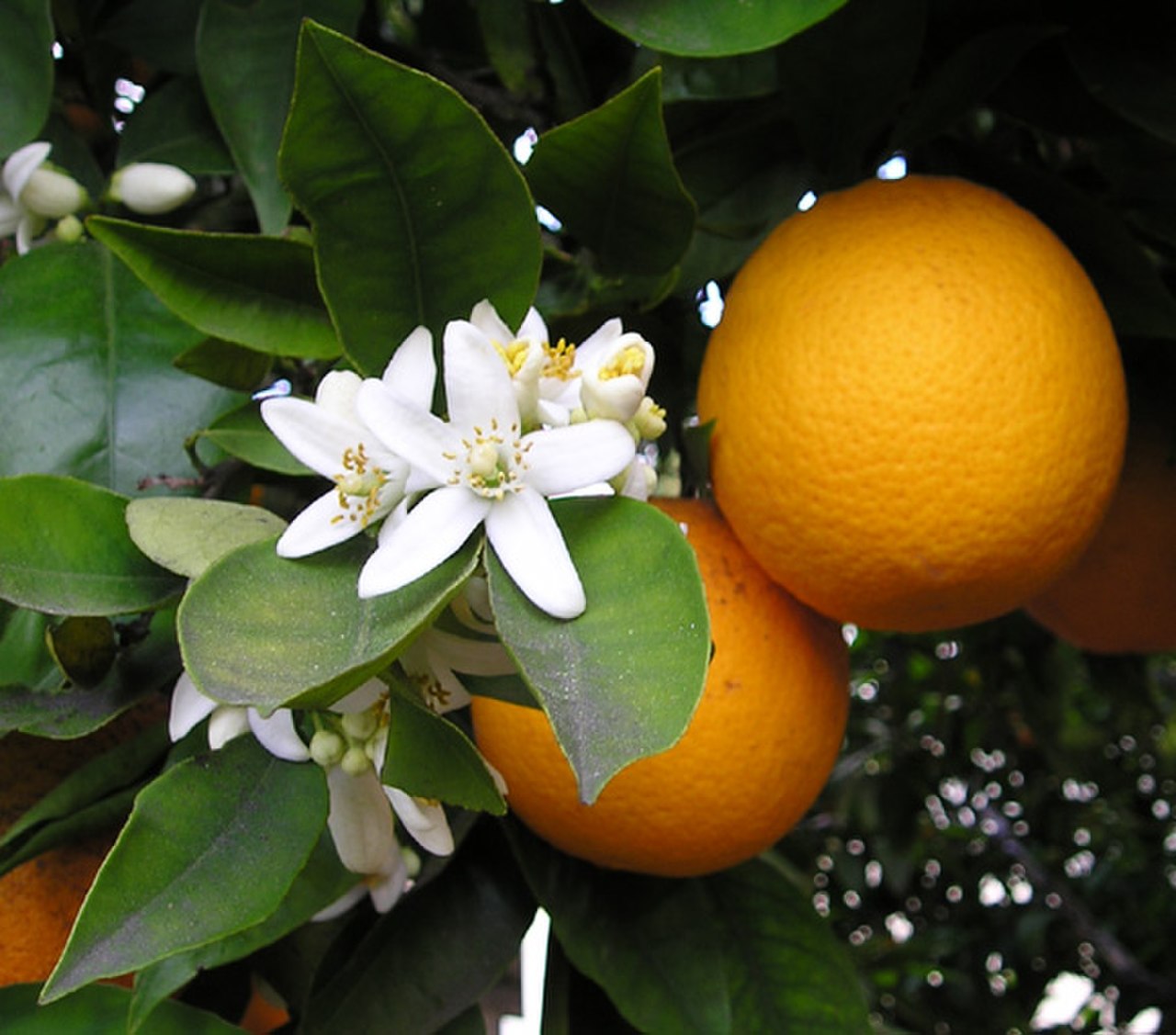
Oranges are one of the most widely consumed citrus fruits, and for good reason. They are juicy, sweet, and packed with nutrients like Vitamin C and Potassium. Oranges are also incredibly versatile, and can be eaten fresh, juiced, or used in a variety of culinary dishes. From the popular Orange Juice to the traditional Marmalade, oranges are a key ingredient in many foods and beverages. But oranges are not just a food product - they are also a major commodity, with millions of tons being traded globally every year. The Orange Industry is a complex and multifaceted one, involving many different stakeholders, from farmers and producers to traders and consumers. As with any major industry, there are also controversies and challenges surrounding oranges, including issues related to Sustainability, Environmental Impact, and Social Responsibility.
🍋 Lemons and Limes: A Sour yet Essential Duo
Lemons and limes are two of the most widely used citrus fruits, and are a staple ingredient in many cuisines around the world. They are both highly acidic, with a pH level that is lower than other citrus fruits. This acidity makes them useful for a variety of purposes, from Cleaning and Disinfecting to Cooking and Preserving. Lemons and limes are also a key ingredient in many traditional remedies and Folk Medicine practices. For example, lemon juice is often used as a natural Antiseptic, while lime juice is used to treat Scurvy and other diseases. Despite their many uses, lemons and limes are also facing challenges related to Disease and Pests, which can have a significant impact on yields and quality. As with other citrus fruits, there are also controversies surrounding the production and trade of lemons and limes, including issues related to Labor Practices and Environmental Sustainability.
🍊 Grapefruits and Pomelos: The Lesser-Known Relatives
Grapefruits and pomelos are two of the lesser-known citrus fruits, but they are no less delicious and nutritious. Grapefruits are a hybrid of oranges and pomelos, and are known for their tangy flavor and numerous health benefits. They are a good source of Vitamin C, Potassium, and Fiber, and have been shown to have a positive impact on Heart Health and Weight Management. Pomelos, on the other hand, are one of the largest citrus fruits, with some varieties weighing up to 4 pounds. They are often eaten fresh, or used in salads and other dishes. Both grapefruits and pomelos are also used in traditional medicine, and have been shown to have a range of health benefits. Despite their many benefits, grapefruits and pomelos are not as widely available as other citrus fruits, and are often more expensive. However, they are definitely worth trying, and can add a new level of flavor and nutrition to your diet.
🌟 Citrus Fruits in Cuisine and Culture
Citrus fruits have played a significant role in cuisine and culture for thousands of years. They are a key ingredient in many traditional dishes, from the popular Lemon Chicken to the classic Orange Creamsicle. Citrus fruits are also used in a variety of beverages, from Orange Juice to Lemonade. In addition to their culinary uses, citrus fruits have also been used in traditional medicine and Folk Medicine practices. For example, lemon juice is often used as a natural Antiseptic, while orange peel is used to treat Indigestion and other digestive issues. Citrus fruits have also played a significant role in the development of many cultures, from the Mediterranean Diet to the Asian Cuisine. They are a symbol of abundance, prosperity, and good fortune, and are often used in traditional ceremonies and rituals.
🚨 Controversies Surrounding Citrus Production
Despite their many benefits, citrus fruits are also surrounded by controversy. One of the main issues is the environmental impact of citrus production, which can have a significant effect on Water Quality, Soil Health, and Biodiversity. The use of Pesticides and Fertilizers in citrus production can also have a negative impact on human health, particularly for workers who are exposed to these chemicals on a regular basis. Another issue is the social responsibility of citrus producers, who are often criticized for their Labor Practices and Supply Chain Management. For example, many citrus producers have been accused of exploiting workers, particularly in countries with weak labor laws. Finally, there are also concerns about the impact of citrus production on local communities, particularly in areas where citrus is a major crop.
🌎 Environmental Impact of Citrus Farming
The environmental impact of citrus farming is a significant concern, particularly in areas where citrus is a major crop. The use of Water and Energy in citrus production can have a significant effect on the environment, particularly in areas where these resources are scarce. The use of Pesticides and Fertilizers can also have a negative impact on Soil Health and Water Quality. In addition, the production of citrus fruits can also contribute to Greenhouse Gas Emissions, particularly in areas where citrus is transported long distances. However, there are also many opportunities for sustainable citrus production, particularly in areas where Organic Farming and Regenerative Agriculture practices are used. By adopting these practices, citrus producers can reduce their environmental impact, improve soil health, and promote biodiversity.
📊 Economic Importance of Citrus Fruits
The economic importance of citrus fruits cannot be overstated. Citrus fruits are a major commodity, with millions of tons being traded globally every year. The Citrus Industry is a complex and multifaceted one, involving many different stakeholders, from farmers and producers to traders and consumers. The industry is also a significant contributor to the economies of many countries, particularly in areas where citrus is a major crop. For example, the Orange Industry is a major contributor to the economy of Brazil, which is the world's largest producer of oranges. However, the citrus industry is also facing many challenges, particularly in areas where Disease and Pests are a significant problem. The industry is also subject to fluctuations in global demand and supply, which can have a significant impact on prices and profitability.
👥 Key Players in the Citrus Industry
The key players in the citrus industry are many and varied, from farmers and producers to traders and consumers. The industry is dominated by a few large players, including Dole Food Company and Chiquita Brands International. However, there are also many smaller players, including Family Farms and Cooperatives. The industry is also subject to regulation by government agencies, particularly in areas where Food Safety and Environmental Protection are a concern. The US Department of Agriculture and the Food and Agriculture Organization of the United Nations are two examples of government agencies that play a significant role in regulating the citrus industry.
🔮 Future of Citrus Fruits: Trends and Innovations
The future of citrus fruits is uncertain, but there are many trends and innovations that are likely to shape the industry in the years to come. One of the main trends is the increasing demand for Sustainable Citrus, particularly in areas where Organic Farming and Regenerative Agriculture practices are used. Another trend is the growing demand for Citrus Juice, particularly in areas where Health and Wellness are a major concern. The industry is also subject to technological innovation, particularly in areas where Precision Agriculture and Vertical Farming are used. These technologies have the potential to improve yields, reduce waste, and promote sustainability in the citrus industry.
Key Facts
- Year
- 2023
- Origin
- Southeast Asia, 4000 BC
- Category
- Food and Agriculture
- Type
- Food
Frequently Asked Questions
What are the most widely consumed citrus fruits?
The most widely consumed citrus fruits are oranges, lemons, and limes. These fruits are widely available and are used in a variety of culinary dishes and beverages. They are also a good source of nutrients like vitamin C and potassium, and have been shown to have a range of health benefits.
What is the environmental impact of citrus production?
The environmental impact of citrus production can be significant, particularly in areas where water and energy are scarce. The use of pesticides and fertilizers can also have a negative impact on soil health and water quality. However, there are also many opportunities for sustainable citrus production, particularly in areas where organic farming and regenerative agriculture practices are used.
What are the health benefits of citrus fruits?
Citrus fruits are a good source of nutrients like vitamin C and potassium, and have been shown to have a range of health benefits. They can help to boost the immune system, reduce inflammation, and improve heart health. They can also help to reduce the risk of certain diseases, such as scurvy and kidney stones.
How are citrus fruits used in traditional medicine?
Citrus fruits have been used in traditional medicine for thousands of years, particularly in areas where they are widely available. They are used to treat a range of health conditions, from indigestion and digestive issues to fever and respiratory problems. They are also used to promote overall health and wellness, and to prevent certain diseases.
What is the economic importance of citrus fruits?
The economic importance of citrus fruits cannot be overstated. They are a major commodity, with millions of tons being traded globally every year. The citrus industry is a complex and multifaceted one, involving many different stakeholders, from farmers and producers to traders and consumers. The industry is also a significant contributor to the economies of many countries, particularly in areas where citrus is a major crop.