
Contents
- 🍊 What Exactly IS a Pomelo?
- 🗺️ Where Do These Giants Come From?
- 👃 Tasting Notes: Sweet, Sour, and Everything In Between
- 🍽️ How to Eat a Pomelo (It's Not Like an Orange!)
- 🎁 Pomelos in Culture: More Than Just a Fruit
- ⚠️ Health & Interactions: Know Before You Bite
- 🛒 Finding the Freshest Pomelos
- 🆚 Pomelo vs. Grapefruit: The Family Feud
- 💡 Pomelo Recipes to Try Now
- 🌱 The Future of the OG Citrus
- Frequently Asked Questions
- Related Topics
Overview
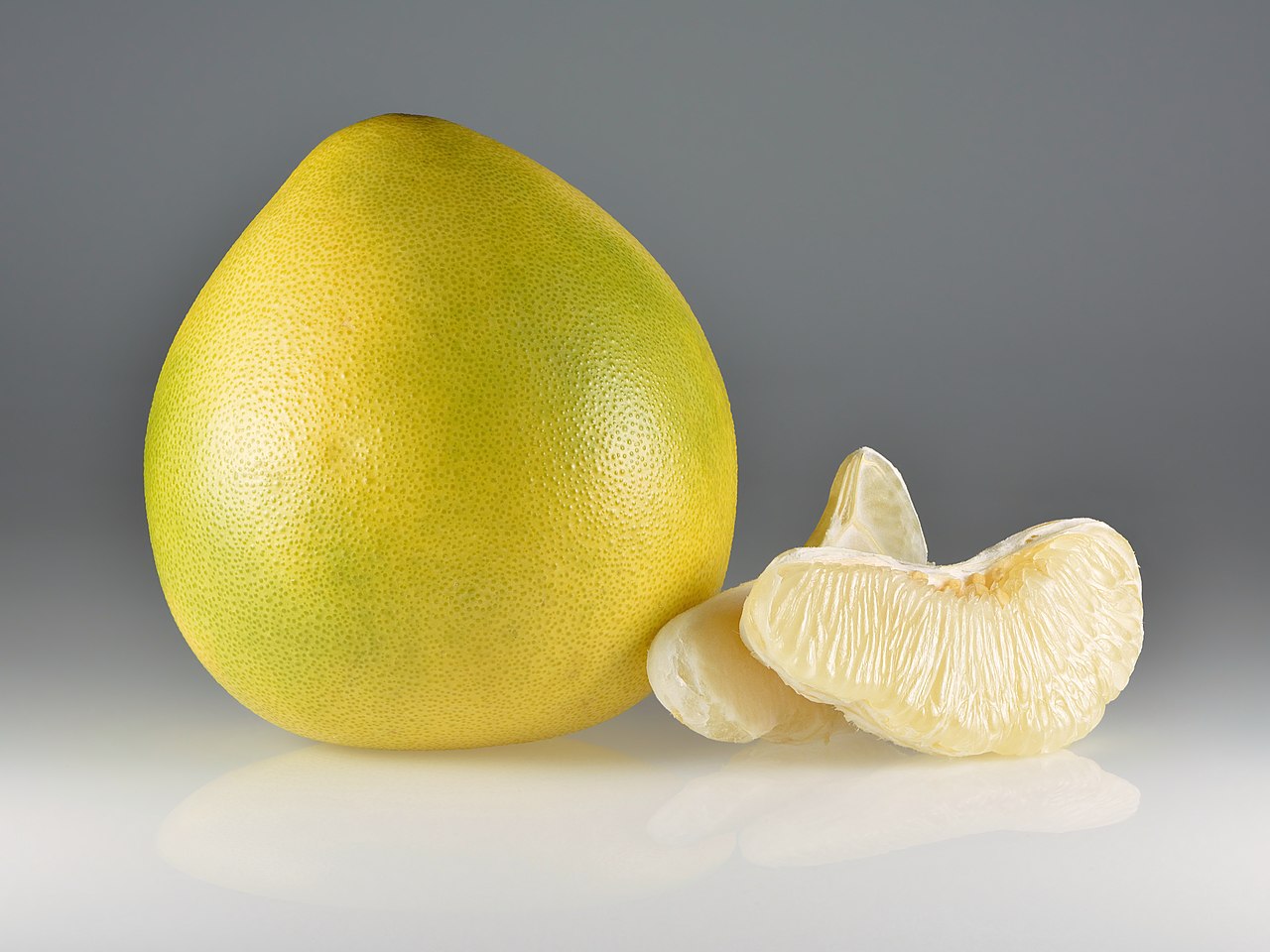
The pomelo, Citrus maxima, is the undisputed progenitor of many citrus fruits, including the grapefruit. Originating in Southeast Asia, this colossal citrus boasts a thick, pithy rind and flesh ranging from pale yellow to pink, with a flavor profile that's less tart and more subtly sweet than its descendants. Historically, pomelos were prized for their medicinal properties and as a symbol of prosperity, particularly during Lunar New Year celebrations across East Asia. While often overshadowed by the more globally ubiquitous grapefruit, the pomelo offers a unique textural experience and a delicate, refreshing taste that's making a comeback in culinary circles. Its cultivation spans from China and Vietnam to parts of the Americas, though its global market share remains modest compared to oranges or lemons.
🍊 What Exactly IS a Pomelo?
Forget your standard orange; the pomelo is the undisputed heavyweight champion of the citrus world. This colossal fruit, scientifically known as Citrus maxima, is the largest of all citrus species, often dwarfing its grapefruit cousins. Its thick, pithy rind encases segments that are typically less juicy than a grapefruit but boast a distinctively sweet, mild flavor profile. For anyone seeking a citrus experience that's both familiar and refreshingly different, the pomelo is your gateway to a more ancient citrus lineage. It's the original, the ancestor, the OG giant that paved the way for many fruits we know today, including the grapefruit and the bitter orange.
🗺️ Where Do These Giants Come From?
The story of the pomelo is deeply rooted in Southeast Asia, where it originated millennia ago. Unlike many of its cultivated descendants, the pomelo is a natural, non-hybrid species, a true product of its environment. Its genetic blueprint is foundational, making it a critical piece of the citrus family tree. From its ancient homeland, the pomelo has spread its influence, becoming a staple in cuisines across Southeast and East Asia, and gradually making its way to global markets. Understanding its origins is key to appreciating its unique characteristics and its role in the broader history of agriculture.
👃 Tasting Notes: Sweet, Sour, and Everything In Between
The taste of a pomelo is a fascinating study in citrus subtlety. Imagine a grapefruit, but dial down the bitterness and crank up the sweetness. The flavor is generally mild, often described as a delicate balance of sweet and slightly tart, with floral undertones. The texture is also noteworthy: the flesh is firm and less watery than a grapefruit, offering a satisfying chew. This unique combination makes it a versatile fruit, enjoyable on its own or as a refreshing addition to salads and other dishes. Its flavor profile is a direct link to its ancient citrus genetics.
🍽️ How to Eat a Pomelo (It's Not Like an Orange!)
Tackling a pomelo requires a slightly different approach than peeling an orange. Due to its thick rind and substantial pith, you'll want to start by slicing off the top and bottom. Then, make vertical scores through the rind, about an inch apart, and peel it away in sections. The membranes separating the segments are also thicker and tougher than those in other citrus fruits, so it's often best to cut along these membranes to release the juicy flesh. This method ensures you get to the delicious fruit without too much fuss, making it accessible for even novice fruit enthusiasts looking to explore exotic fruits.
🎁 Pomelos in Culture: More Than Just a Fruit
In many Asian cultures, the pomelo is far more than just a fruit; it's a symbol of prosperity and good fortune. Its large size and round shape are associated with completeness and abundance, making it a popular offering during Lunar New Year celebrations and other festive occasions. It's often presented as a gift to wish good luck and prosperity upon the recipient. This cultural significance elevates the pomelo beyond its culinary uses, embedding it in the social fabric of numerous communities.
⚠️ Health & Interactions: Know Before You Bite
While pomelos are generally healthy, it's crucial to be aware of potential interactions, much like with grapefruit. Phytochemicals present in pomelos can interfere with the metabolism of certain medications, potentially altering their effectiveness or increasing side effects. If you are taking prescription drugs, especially statins, blood pressure medications, or immunosuppressants, it's wise to consult your doctor or pharmacist before making pomelos a regular part of your diet. This caution is a reminder of the potent bioactive compounds found in natural foods.
🛒 Finding the Freshest Pomelos
Finding a ripe pomelo requires a discerning eye and a gentle touch. Look for fruits that are heavy for their size, indicating juiciness. The rind should be relatively smooth and firm, with a bright, even color—avoiding any with soft spots or significant blemishes. While some varieties have green rinds, others might have a yellowish hue. Give it a gentle squeeze; it should yield slightly but not feel mushy. Many Asian grocery stores and larger supermarkets with international sections are your best bet for sourcing these citrus giants.
🆚 Pomelo vs. Grapefruit: The Family Feud
The pomelo and grapefruit share a common ancestor, but they are distinct fruits. The pomelo is the larger, less acidic, and sweeter of the two, with a firmer flesh and thicker rind. Grapefruit, on the other hand, is believed to be a hybrid that emerged from a cross between a pomelo and a sweet orange. This makes the pomelo the 'parent' fruit, while the grapefruit is the 'child' in this particular citrus relationship. Understanding this lineage helps explain their shared traits and subtle differences.
💡 Pomelo Recipes to Try Now
Beyond enjoying it fresh, the pomelo shines in various culinary applications. Its segments can be a refreshing addition to salads, offering a sweet counterpoint to savory ingredients. Try it in a Thai pomelo salad (yam som-o), where it's tossed with chili, lime, peanuts, and herbs for a vibrant explosion of flavor. The zest can also be used in baking or to infuse simple syrups. Don't discard the rind; it can be candied or used in marmalades, showcasing the fruit's versatility from peel to pulp, a true farm-to-table experience.
🌱 The Future of the OG Citrus
As global palates become more adventurous and the demand for unique, natural ingredients grows, the pomelo is poised for greater recognition. Its status as an ancient, non-hybrid citrus makes it a valuable genetic resource for plant breeders and a fascinating subject for food scientists. We might see more specialized cultivation efforts and innovative culinary uses emerge, further solidifying the pomelo's place not just as a fruit, but as a significant player in the future of sustainable agriculture.
Key Facts
- Year
- -1000
- Origin
- Southeast Asia
- Category
- Food & Drink
- Type
- Fruit
Frequently Asked Questions
Are pomelos healthy?
Yes, pomelos are packed with Vitamin C, fiber, and antioxidants, contributing to a healthy diet. They are known for their immune-boosting properties and potential benefits for digestion. However, as mentioned, be mindful of potential drug interactions due to certain phytochemicals. Always consult a healthcare professional if you have concerns about how pomelos might affect your medications.
How do I know if a pomelo is ripe?
A ripe pomelo will feel heavy for its size, indicating good juiciness. The rind should be firm and smooth, without soft spots or significant blemishes. A slight give when gently squeezed is a good sign, but it shouldn't feel mushy. The color can vary from green to yellowish, so don't rely solely on color for ripeness.
Can I eat the white pith of a pomelo?
The white pith, or albedo, of a pomelo is edible, though it can be quite bitter and spongy. It's often removed because it's not as palatable as the flesh. However, some people use it in recipes, particularly for candying or making marmalade, after boiling it to reduce bitterness. It does contain beneficial flavonoids.
How long do pomelos last?
Whole, uncut pomelos can last for several weeks when stored at room temperature in a cool, dry place. For longer storage, they can be kept in the crisper drawer of your refrigerator for up to a month. Once cut, store the segments in an airtight container in the refrigerator and consume within a few days for best quality.
What's the difference between a pomelo and a grapefruit?
The pomelo is the larger, sweeter, and less acidic ancestor of the grapefruit. Pomelos have a thicker rind and firmer flesh, while grapefruits are typically smaller, more tart, and juicier. Grapefruit is believed to be a hybrid of the pomelo and sweet orange.
Are there different types of pomelos?
Yes, there are several varieties of pomelos, differing in size, rind color, flesh color (ranging from pale yellow to pink), and sweetness. Some common types include the 'Khao Phuang' (elongated shape), 'Thong Dee' (golden yellow), and 'Chula' (smaller, pink-fleshed). Each offers a slightly unique flavor and texture experience.