
Contents
- 🎹 What's the Buzz About Pianos?
- 👂 The Sound: Authenticity vs. Versatility
- 🖐️ The Feel: Action and Response
- 🏠 Space & Maintenance: Practical Realities
- 💰 Cost: Initial Investment & Long-Term Value
- 🎧 Features & Tech: Digital's Edge
- 🏆 Who Wins? Matching Pianos to Players
- 💡 Pro Tips for Piano Hunters
- Frequently Asked Questions
- Related Topics
Overview
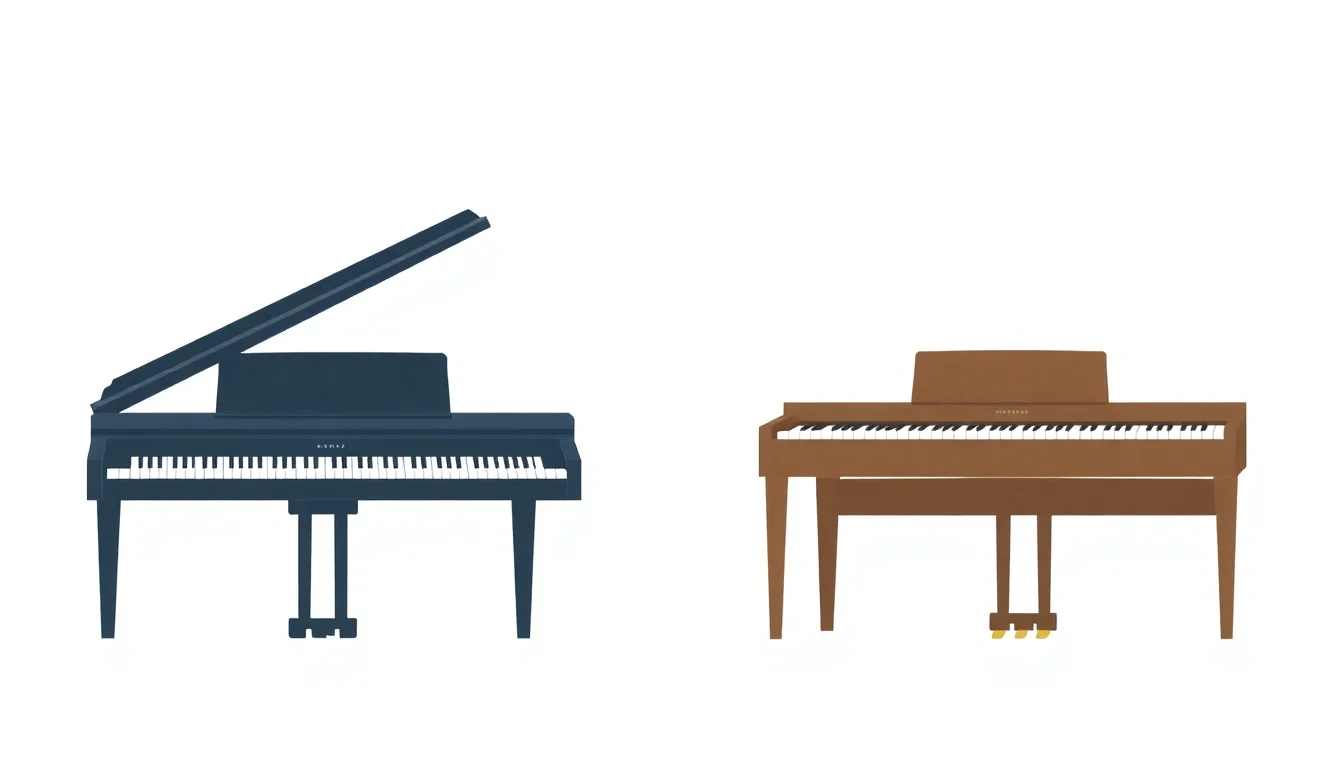
The digital piano versus acoustic piano debate is as old as the digital piano itself, a constant hum of tension between tradition and technological innovation. Acoustic pianos, with their hammers striking strings, offer an unparalleled organic resonance and dynamic range, a tactile connection to centuries of musical heritage. Digital pianos, however, counter with unparalleled versatility, affordability, and practice-friendly features like headphone jacks and MIDI connectivity. Understanding the core mechanics – the hammer action, soundboard resonance of acoustics versus sampled sounds and weighted keys of digitals – is crucial. The choice often boils down to budget, space, and specific musical needs, but the underlying philosophical divide between pure acoustic fidelity and digital convenience remains a vibrant point of contention.
🎹 What's the Buzz About Pianos?
The piano, a cornerstone of Western music for centuries, exists in two primary forms: the venerable acoustic pianos and the modern digital pianos. This isn't just a matter of technology; it's a clash of philosophies, a debate echoing from grand concert halls to cozy living rooms. Acoustic pianos, with their hammers striking strings, offer a tactile and auditory experience deeply rooted in musical history. Digital pianos, born from the electronic age, promise convenience, versatility, and a lower barrier to entry for aspiring musicians. Understanding their fundamental differences is crucial for anyone looking to buy, play, or simply appreciate the instrument.
👂 The Sound: Authenticity vs. Versatility
The soul of a piano lies in its sound. acoustic pianos produce sound through the physical vibration of strings, amplified by a soundboard. This creates a rich, complex timbre with subtle nuances that digital instruments strive to emulate. The sound of a Steinway Model D concert grand, for instance, is inimitable, a result of meticulous craftsmanship and the physics of resonance. Digital pianos, on the other hand, use sampled or modeled sounds, offering a wide array of tones from different pianos, organs, and even synths. While modern digital piano samples are incredibly sophisticated, capturing the full dynamic range and harmonic complexity of a true acoustic can still be a challenge, though some high-end models come remarkably close.
🖐️ The Feel: Action and Response
The 'feel' of a piano, its key action, is paramount for developing proper technique and musical expression. Acoustic pianos feature a complex mechanical action where hammers strike strings. This action is weighted, graded (heavier in the bass, lighter in the treble), and provides a unique resistance and rebound. Yamaha's Silent Piano technology, for example, attempts to bridge this gap by allowing an acoustic to be played silently via headphones, but the core mechanical feel remains. Digital pianos simulate this action using weighted keys, hammer action, and escapement mechanisms. While many offer excellent, realistic feel, the direct mechanical connection to sound production is absent, which some purists argue affects the ultimate responsiveness and control, especially for advanced pianists.
🏠 Space & Maintenance: Practical Realities
Practicality often dictates the choice between acoustic and digital. acoustic pianos are large, heavy, and require regular tuning (typically once or twice a year) by a professional piano technician. They are also sensitive to humidity and temperature fluctuations. Digital pianos are significantly lighter, more compact, and require no tuning. Many models are designed for easy transport and setup. This makes them ideal for smaller apartments, musicians on the go, or those who move frequently. The environmental stability of a digital piano also means consistent performance, free from the vagaries of room conditions.
💰 Cost: Initial Investment & Long-Term Value
The financial aspect is a major consideration. A new upright piano can range from $3,000 to $15,000+, with grand pianos easily exceeding $50,000. Used acoustic pianos can be found for less, but often require significant restoration. digital pianos offer a much lower entry point, with good quality models available from $500 to $3,000. While the initial cost is lower, the long-term value proposition differs. An acoustic piano, if well-maintained, can last for generations and retain some resale value. Digital pianos, like most electronics, depreciate and may require component replacement over time, though their affordability makes them accessible to a broader audience.
🎧 Features & Tech: Digital's Edge
Digital pianos shine in their feature sets. Beyond a vast library of piano sounds, they often include organ, harpsichord, strings, and synth patches. Many have built-in metronomes, recording capabilities, and connectivity for smartphones and tablets via USB or Bluetooth, enabling use with learning apps like Simply Piano or Flowkey. Some even offer dual headphone jacks for silent practice, rhythm accompaniment, and layering sounds. This technological integration makes them powerful practice tools and versatile performance instruments, especially for keyboardists who need a variety of sounds.
🏆 Who Wins? Matching Pianos to Players
The 'winner' depends entirely on the player's needs and priorities. For the aspiring beginner or the budget-conscious student, a weighted-key digital piano is often the most practical choice, offering a good playing experience without the maintenance and cost of an acoustic. For the serious student or professional seeking the ultimate in touch, tone, and musical expression, a high-quality acoustic grand piano remains the gold standard. Hybrid pianos, like the Yamaha AvantGrand, attempt to marry the best of both worlds, offering acoustic action with digital sound capabilities, but at a premium price point.
💡 Pro Tips for Piano Hunters
When choosing, always play both types if possible. Pay attention to the key action – does it feel responsive and natural? Listen critically to the sound – does it inspire you? For digital pianos, check the speaker quality and the variety of sounds. For acoustics, inquire about the last tuning and any known issues. Consider your space, budget, and long-term musical goals. Don't be swayed solely by price or features; the connection you feel with the instrument is paramount. Many music stores offer piano rental programs which can be a great way to try before you buy.
Key Facts
- Year
- 2023
- Origin
- Vibepedia
- Category
- Musical Instruments
- Type
- Comparison Guide
Frequently Asked Questions
Do digital pianos sound as good as acoustic pianos?
High-end digital pianos offer incredibly realistic sampled sounds that are very close to acoustic pianos, especially for general playing and practice. However, the complex harmonic overtones and dynamic response of a fine acoustic piano, particularly a grand, are still difficult to perfectly replicate. For critical listening and professional performance, many still prefer the authentic sound of an acoustic. For most players, especially beginners, the sound quality of modern digital pianos is more than sufficient and offers greater versatility.
Is a digital piano good for learning piano?
Yes, a digital piano with 88 fully weighted, hammer-action keys is an excellent tool for learning piano. It provides the proper tactile feedback necessary to develop finger strength and technique, mimicking the feel of an acoustic piano. The ability to practice silently with headphones is a huge advantage for students living in shared spaces or with busy schedules. Many digital pianos also connect to learning apps that can enhance the educational experience.
How often do acoustic pianos need tuning?
Acoustic pianos typically need to be tuned once or twice a year. This is because the pitch of the strings can change due to fluctuations in temperature and humidity, as well as the natural settling of the piano's internal structure. Professional piano technicians use specialized tools to adjust the tension of the strings to bring the piano back to standard pitch and ensure it sounds its best. Neglecting tuning can lead to pitch instability and make the instrument harder to tune in the future.
Can I move a digital piano myself?
Most digital pianos are designed to be portable and can be moved by one or two people, depending on the model's weight and size. Always check the manufacturer's specifications for weight and consider using a dolly or hand truck for easier transport. It's advisable to remove the stand and pedals before moving to make it more manageable. For larger or heavier models, or if you're unsure, hiring professional movers is recommended to avoid damage to the instrument or your property.
What is a hybrid piano?
A hybrid piano combines elements of both acoustic and digital pianos. Typically, it features the authentic hammer action of an acoustic piano, providing a true touch and response. However, instead of strings and a soundboard, it uses digital sampling technology to produce sound, allowing for headphone use and a wider range of tones. Examples include the Yamaha AvantGrand series and Kawai's AURES series. They offer a premium experience for those who want acoustic feel with digital convenience but come at a higher price point.
Are used acoustic pianos a good buy?
Used acoustic pianos can be a fantastic value, but they require careful inspection. A well-maintained, older piano from a reputable brand (like Steinway, Yamaha, Kawai) can offer a lifetime of music. However, pianos are susceptible to wear and tear, and issues like worn-out hammers, sticky keys, or soundboard cracks can be costly to repair. It's highly recommended to have a qualified piano technician inspect any used acoustic piano before purchasing to assess its condition and potential repair costs.