
Contents
Overview
The recognition of erosion and deposition as powerful geological forces dates back to the classical world, with early observations by thinkers like Plato noting the deposition of silt in river valleys. However, it was during the Enlightenment that systematic study began. Figures like James Hutton, often called the 'father of modern geology,' articulated the principle of uniformitarianism, asserting that the same slow, continuous processes shaping the Earth today were responsible for its past formations. His work laid the groundwork for understanding how erosion and deposition, over immense timescales, could create mountains and valleys. Later, geologists like Charles Lyell further popularized these ideas in the 19th century, solidifying the concept that Earth's features are the result of gradual, ongoing geological work, contrasting with earlier catastrophic theories.
⚙️ How It Works
Erosion occurs when external forces detach and move earth materials. Water is a primary agent, with rivers carving out valleys and carrying sediment downstream, while rainfall can cause sheet erosion. Wind, particularly in arid regions like the Sahara Desert, can sculpt rock formations and transport sand. Glaciers, massive bodies of ice, exert immense erosive power, grinding bedrock and transporting vast quantities of debris. Gravity, through processes like landslides and creep, also plays a significant role in moving material downslope. Deposition follows erosion; as the transporting agent loses energy, it drops its load. Rivers deposit sediment at their mouths, forming deltas like the Nile Delta, while wind can create sand dunes, and glaciers leave behind moraines. These processes are in constant dynamic equilibrium, with erosion and deposition often occurring simultaneously in different locations.
📊 Key Facts & Numbers
The Dust Bowl of the 1930s demonstrated the destructive potential of wind erosion. The United States Geological Survey (USGS) conducts extensive research and mapping of erosional and depositional features. The British Geological Survey also conducts research on erosional and depositional features.
👥 Key People & Organizations
Key figures in understanding erosion and deposition include James Hutton, whose uniformitarianism provided the foundational principle. Charles Lyell further championed these ideas, influencing Charles Darwin and shaping geological thought. In the 20th century, geomorphologists like William Morris Davis developed models for landscape evolution, though his 'cycle of erosion' has since been refined. Organizations such as the United States Geological Survey (USGS) and the British Geological Survey conduct extensive research and mapping of erosional and depositional features. Academic institutions worldwide, including Stanford University and the University of Cambridge, host leading research departments in geology and geomorphology, contributing to our understanding through extensive fieldwork and laboratory analysis.
🌍 Cultural Impact & Influence
The visual impact of erosion and deposition is profound, shaping iconic landscapes that inspire art, literature, and tourism. The Grand Canyon, a testament to river erosion by the Colorado River, draws millions of visitors annually. Coastal features like beaches, formed by deposition, are central to economies reliant on tourism. The processes also influence human settlement patterns; fertile river valleys, built by deposition, have historically been cradles of civilization, such as the Fertile Crescent. Conversely, severe erosion can lead to land degradation, impacting food security and forcing migrations, as seen in historical events like the Dust Bowl. The aesthetic qualities of landforms, from dramatic cliffs to gentle rolling hills, are direct results of these geological sculptors.
⚡ Current State & Latest Developments
Current research is increasingly focused on the impact of climate change and human activity on erosion and deposition rates. Reforestation projects on the Loess Plateau in China are examined for their effectiveness in mitigating erosion. Satellite imagery and GIS are providing unprecedented data for tracking these dynamic processes in near real-time.
🤔 Controversies & Debates
A significant debate revolves around the role of human activity versus natural cycles in accelerating erosion and deposition. While the principle of uniformitarianism holds, critics argue that the current rates of soil erosion, for example, far exceed natural background rates, largely due to industrial agriculture and urbanization. Dam construction and channelization of large river systems also significantly alter natural deposition patterns, leading to issues like coastal land loss and sediment starvation. Furthermore, the classification and quantification of 'natural' versus 'anthropogenic' erosion remain points of contention among geologists and environmental scientists, impacting policy decisions regarding land use and conservation efforts.
🔮 Future Outlook & Predictions
The future of erosion and deposition will be heavily influenced by global climate change and continued human development. Projections suggest increased rates of soil erosion in many regions due to altered precipitation patterns and more intense rainfall events. Coastal erosion is expected to accelerate as sea levels rise and storm surges become more frequent and severe, potentially displacing millions of people. Conversely, some areas might experience increased deposition due to altered river flows or glacial melt. Research into geoengineering solutions for erosion control and sediment management is likely to expand, though the long-term efficacy and unintended consequences of such interventions remain subjects of speculation and debate. Understanding these future trajectories is critical for sustainable land and resource management.
💡 Practical Applications
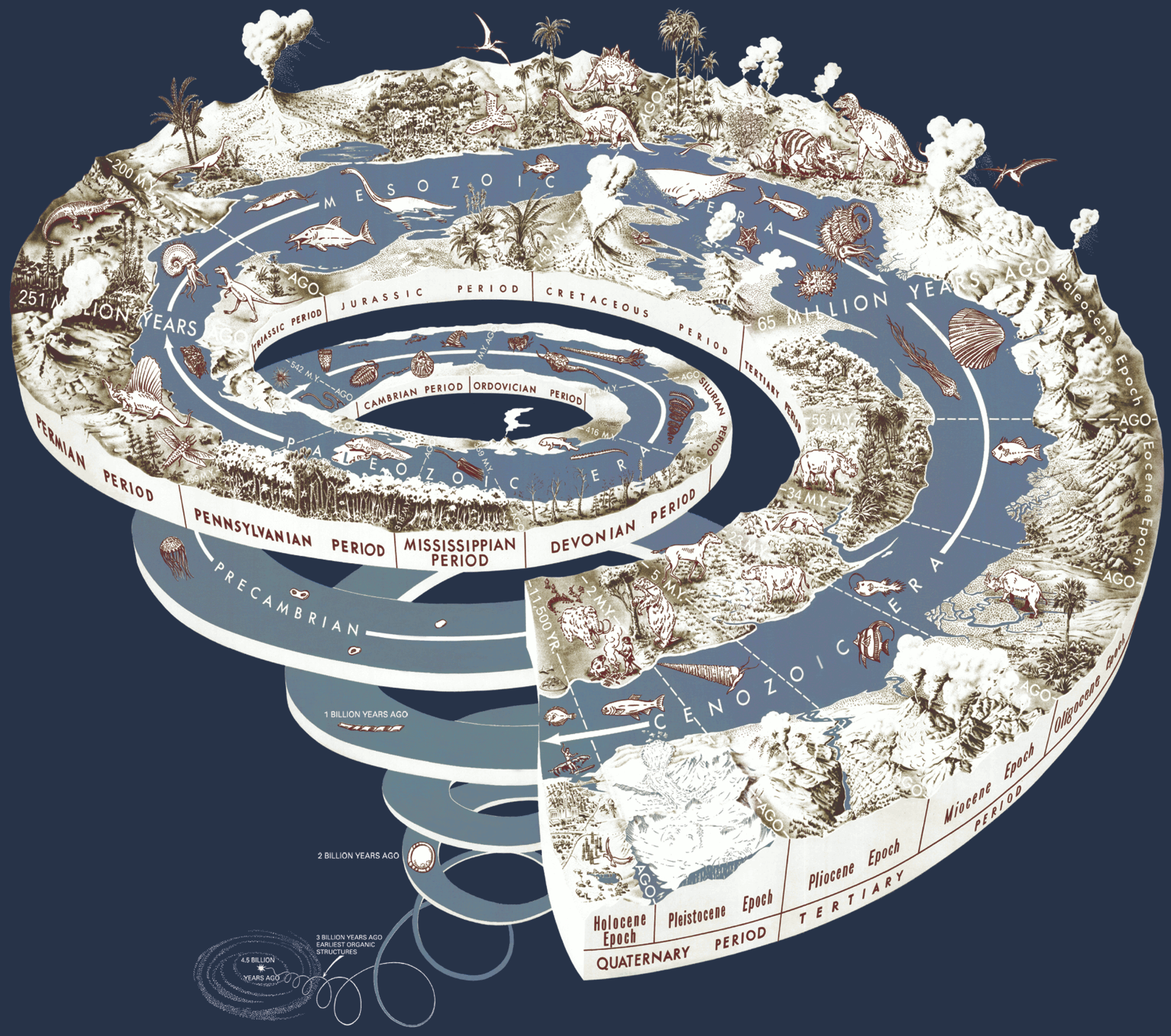
Erosion and deposition have profound practical applications. Civil engineers rely on understanding these processes for designing infrastructure like bridges, dams, and roads, ensuring stability and longevity against natural forces. Agricultural practices, such as terracing and contour plowing, are designed to minimize soil erosion and preserve fertile topsoil. Coastal management strategies, including the construction of seawalls and beach nourishment, directly address erosion and deposition dynamics. Furthermore, the study of sedimentary rocks, formed by deposition, is crucial for locating natural resources like fossil fuels, groundwater, and mineral deposits. Paleontologists use the fossil record preserved within deposited sediments to reconstruct Earth's history and the evolution of life.
Key Facts
- Category
- nature
- Type
- topic