
Contents
Overview
The genesis of India's economic hubs can be traced back to the colonial era, with port cities like Mumbai and Kolkata emerging as centers for trade and administration. Post-independence, the government's focus on heavy industry and public sector undertakings led to the development of industrial belts in regions like Bengaluru (for aerospace and defense), Chennai (automotive), and Jamshedpur (steel). The economic liberalization reforms of 1991, however, acted as a catalyst, unleashing private enterprise and fostering the rise of new hubs, most notably Bengaluru as India's Silicon Valley, driven by the burgeoning IT and startup ecosystem. This era also saw the consolidation of manufacturing power in states like Gujarat and Maharashtra, transforming them into engines of industrial output and export.
⚙️ How It Works
Economic hubs function through a virtuous cycle of concentrated resources and specialized talent. They attract significant FDI due to robust infrastructure, skilled labor pools, and supportive government policies. These hubs often develop specialized ecosystems, such as IT parks in Bengaluru, automotive clusters in Chennai, or petrochemical complexes in Gujarat, fostering innovation and productivity. The presence of leading corporations and universities creates a dense network of knowledge sharing and collaboration, further fueling growth. Efficient logistics, financial services, and a critical mass of consumers within and around these hubs solidify their economic dominance, creating a powerful gravitational pull for both domestic and international capital.
📊 Key Facts & Numbers
Several Indian cities have economies exceeding $100 billion. Hyderabad has emerged as a major pharmaceutical hub. The National Capital Region (NCR) around Delhi is a massive economic zone, encompassing manufacturing, services, and a burgeoning startup scene.
👥 Key People & Organizations
Key figures driving the development of these hubs include industrialists like Mukesh Ambani, whose Reliance Industries has heavily invested in digital infrastructure and retail across India, and Gautam Adani, whose Adani Group has built significant infrastructure assets, including ports and special economic zones, particularly in Gujarat. Government initiatives, spearheaded by figures like Narendra Modi and his focus on 'Make in India' and 'Digital India', have been instrumental. Organizations like NASSCOM have championed the IT sector, while state governments actively promote their respective hubs through industrial policies and investment summits. Leading corporations like TCS, Infosys, Wipro, and Hindustan Unilever have established massive operational footprints in these key economic centers.
🌍 Cultural Impact & Influence
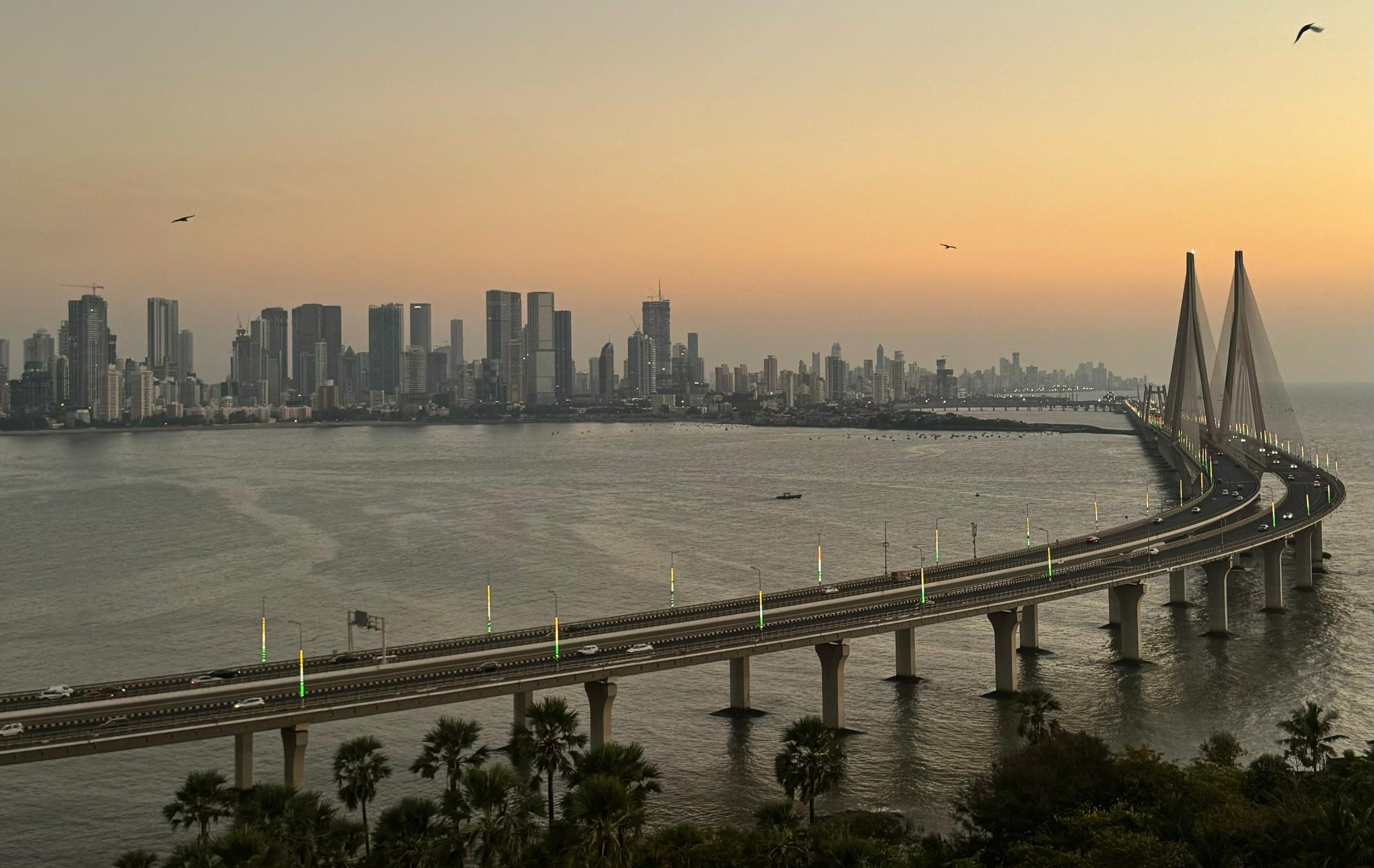
The concentration of economic activity in these hubs has profoundly shaped India's cultural landscape. Cities like Mumbai are synonymous with Bollywood, the global hub of Hindi cinema, while Bengaluru pulses with a youthful, cosmopolitan vibe fueled by its tech-savvy population. These hubs act as magnets for internal migration, leading to a rich cultural exchange and the emergence of new urban identities. The aspirational narratives associated with success in these economic powerhouses influence societal values, driving a culture of entrepreneurship and innovation. However, this concentration also leads to a stark contrast with less developed regions, creating a cultural divide that reflects the uneven distribution of economic prosperity.
⚡ Current State & Latest Developments
India's economic hubs are experiencing dynamic growth, with a particular surge in the AI and FinTech sectors, especially in Bengaluru and Mumbai. The government's push for manufacturing, through initiatives like the Production Linked Incentive (PLI) schemes, is revitalizing industrial hubs like Chennai and Pune, attracting significant investment in electronics and automotive manufacturing. Emerging hubs are also gaining traction; cities like Visakhapatnam are being developed as industrial and IT centers, while Tier-2 cities are increasingly attracting talent and investment due to lower operational costs and improving infrastructure. The National Infrastructure Pipeline aims to further bolster connectivity and logistics across these critical economic zones.
🤔 Controversies & Debates
A significant controversy surrounding Indian economic hubs is the widening gap between the affluent urban centers and the rural hinterlands, leading to concerns about income inequality and regional disparities. The rapid urbanization driven by these hubs also strains infrastructure, leading to issues like traffic congestion, pollution, and housing shortages, particularly in megacities like Delhi and Mumbai. Critics argue that the focus on a few select hubs neglects the development potential of smaller towns and villages, exacerbating the rural-urban divide. Furthermore, the environmental impact of concentrated industrial activity and the ethical implications of labor practices in some manufacturing hubs remain subjects of ongoing debate.
🔮 Future Outlook & Predictions
The future outlook for Indian economic hubs is one of continued expansion and diversification. Experts predict that cities like Hyderabad and Pune will emerge as major contenders in the IT and R&D space, challenging Bengaluru's dominance. The government's focus on developing Special Economic Zones (SEZs) and industrial corridors, such as the Delhi-Mumbai Industrial Corridor (DMIC), is expected to create new manufacturing powerhouses. The rise of the gig economy and remote work trends might also lead to a decentralization of talent, potentially boosting the economic prospects of Tier-2 and Tier-3 cities. The integration of 5G technology and IoT will further enhance the efficiency and connectivity of these hubs.
💡 Practical Applications
Indian economic hubs serve as crucial platforms for innovation and development across various sectors. Bengaluru's IT and biotech clusters are vital for the nation's technological advancement. Chennai's automotive sector is central to India's manufacturing prowess, with companies like Hyundai and Ford having significant operations. Mumbai's financial district, BSE and NSE, is the nerve center of India's capital markets, facilitating investment and economic growth. The pharmaceutical hub in Hyderabad plays a critical role in global healthcare supply chains. These hubs also act as incubators for social enterprises addressing local challenges, demonstrating a broader application of concentrated economic power.
Key Facts
- Category
- places
- Type
- topic