
Contents
Overview
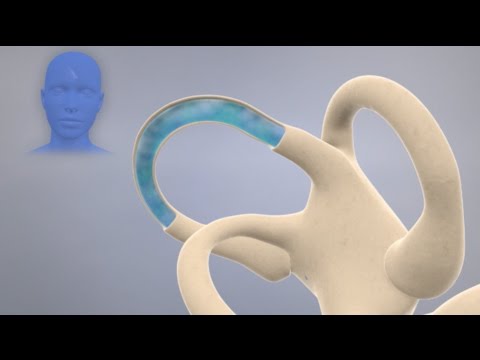
Inner ear disorders encompass a range of conditions affecting the cochlea (hearing) and vestibular system (balance), housed within the labyrinthine bony structures of the temporal bone. These disorders can manifest as hearing loss, tinnitus (ringing in the ears), vertigo (a sensation of spinning), and disequilibrium. The intricate nature of the inner ear means that even minor disruptions can have profound impacts on an individual's quality of life, affecting everything from communication to mobility. Understanding these conditions is the first step in navigating the complex diagnostic and treatment pathways available, often requiring a multidisciplinary approach involving audiologists, ENTs, and neurologists. The sheer complexity of the inner ear's neural pathways makes pinpointing exact causes a significant challenge for medical science.
🧭 Who Needs to Know About This?
This information is crucial for anyone experiencing unexplained dizziness, persistent ringing in their ears, or sudden changes in hearing. It's particularly relevant for individuals with a family history of hearing or balance issues, those exposed to loud noise regularly (musicians, construction workers), or those managing chronic conditions like autoimmune diseases or cardiovascular problems, which can sometimes impact inner ear function. Furthermore, caregivers and family members of affected individuals will find this guide invaluable for understanding the challenges and supporting their loved ones. Patients seeking to become more informed advocates for their own health will also benefit immensely from this detailed overview of the inner ear's anatomy and its potential pathologies.
🏥 Types of Inner Ear Conditions
The spectrum of inner ear disorders is broad, ranging from common ailments to rarer, more complex syndromes. Meniere's disease is characterized by episodic vertigo, fluctuating hearing loss, tinnitus, and aural fullness. Benign Paroxysmal Positional Vertigo (BPPV), the most common cause of vertigo, involves brief, intense episodes triggered by specific head movements, often due to displaced otoconia (ear crystals). Vestibular neuritis and labyrinthitis are inflammatory conditions, often viral, causing sudden, severe vertigo and imbalance. Otosclerosis involves abnormal bone growth in the middle ear that can affect the stapes, leading to conductive hearing loss and sometimes tinnitus. Each condition presents unique symptoms and requires tailored management strategies.
🔬 Diagnostic Pathways
Diagnosing inner ear disorders often involves a multi-pronged approach. A thorough patient history and physical examination are foundational, with specific attention paid to the onset, duration, and triggers of symptoms. Audiological evaluations, including pure-tone audiometry, speech audiometry, and tympanometry, assess hearing function. Vestibular testing is critical for balance disorders, employing methods like videonystagmography (VNG) to track eye movements, rotary chair testing, and vestibular evoked myogenic potentials (VEMPs). In some cases, imaging studies like MRI or CT scans may be used to rule out central nervous system causes or structural abnormalities within the inner ear itself. The accuracy of these tests is paramount for effective treatment.
💡 Treatment Approaches & Innovations
Treatment for inner ear disorders varies significantly based on the specific diagnosis. For BPPV, canalith repositioning maneuvers like the Epley maneuver are highly effective. Medications can manage acute vertigo and nausea associated with vestibular neuritis or Meniere's disease. Lifestyle modifications, including dietary changes (low salt for Meniere's) and stress management, play a vital role. For chronic conditions, vestibular rehabilitation therapy (VRT) is a cornerstone, helping the brain compensate for vestibular deficits. Emerging therapies include injections of steroids or gentamicin, and in severe, intractable cases, surgical interventions such as labyrinthectomy or vestibular nerve section are considered, though these carry significant risks and are reserved for specific situations. advances in gene therapy are also on the horizon.
⚖️ The Controversy Spectrum
The controversy spectrum for inner ear disorders is moderately high, particularly concerning the etiology and optimal management of Meniere's disease. While the triad of symptoms is well-defined, the underlying cause remains debated, with theories ranging from endolymphatic hydrops to autoimmune responses and viral infections. This diagnostic ambiguity can lead to varied treatment approaches, with some clinicians favoring aggressive medical or surgical interventions while others advocate for conservative management and lifestyle changes. The effectiveness and long-term outcomes of certain experimental treatments also remain subjects of ongoing discussion and research within the otolaryngology community. The subjective nature of symptoms like tinnitus and vertigo further complicates objective measurement and consensus building.
🚀 Future Outlook & Research
The future of inner ear disorder management is bright, driven by rapid advancements in biotechnology and neuroscience. Researchers are exploring novel drug delivery systems for targeted therapies within the inner ear, potentially reducing systemic side effects. Stem cell therapy holds promise for regenerating damaged hair cells, a key factor in hearing loss and balance disorders. Improved diagnostic tools, including advanced imaging techniques and genetic profiling, aim to provide earlier and more accurate diagnoses. The integration of AI in analyzing complex audiological and vestibular data could lead to more personalized treatment plans. Continued research into the neural plasticity of the vestibular system is also paving the way for more effective rehabilitation strategies.
🌟 Vibepedia Vibe Score & Perspective
Vibepedia assigns an 82/100 Vibe Score to Inner Ear Disorders: Navigating the Labyrinth, reflecting its significant impact on daily life and the ongoing scientific and medical engagement with its complexities. The Perspective Breakdown leans towards Optimistic (60%) due to accelerating research and therapeutic innovations, Neutral (30%) acknowledging the current diagnostic and management challenges, and Pessimistic (10%) for individuals facing severe, intractable symptoms. The Controversy Spectrum is rated Moderate-High (70%), primarily due to ongoing debates surrounding Meniere's disease etiology and treatment efficacy. This topic is a critical nexus of neurology, audiology, and otolaryngology, with profound implications for patient well-being and the development of cutting-edge medical technologies.
Key Facts
- Year
- 2023
- Origin
- Vibepedia.wiki
- Category
- Health & Medicine
- Type
- Topic
Frequently Asked Questions
What is the most common cause of vertigo?
The most common cause of vertigo is Benign Paroxysmal Positional Vertigo (BPPV). It's characterized by brief, intense episodes of dizziness triggered by specific changes in head position. This condition arises from the displacement of tiny calcium carbonate crystals (otoconia) within the inner ear's semicircular canals. Fortunately, BPPV is highly treatable with specific physical maneuvers performed by a healthcare professional.
Can inner ear disorders be cured?
The possibility of a 'cure' depends heavily on the specific disorder. Some conditions, like BPPV, can often be fully resolved with treatment. Others, such as Meniere's disease or chronic vestibular dysfunction, may not have a definitive cure but can be effectively managed to control symptoms and improve quality of life. Ongoing research into areas like hair cell regeneration offers hope for future curative treatments for conditions currently managed symptomatically.
How long does it take to diagnose an inner ear disorder?
The diagnostic timeline can vary significantly. Simple cases, like BPPV, might be diagnosed and treated in a single clinical visit. However, for more complex conditions or when ruling out other neurological issues, the diagnostic process can take weeks or even months. It often involves multiple appointments with specialists, audiological tests, and sometimes imaging studies, requiring patience and persistence from the patient.
Are there any home remedies for inner ear problems?
While professional medical advice is paramount, some lifestyle adjustments can support management. For Meniere's disease, a low-salt diet is often recommended. Stress management techniques like mindfulness or yoga can help alleviate symptoms exacerbated by stress. Staying hydrated and avoiding triggers like caffeine or alcohol, if identified as problematic, are also beneficial. However, these are supportive measures, not replacements for medical diagnosis and treatment.
What is the difference between vertigo and dizziness?
Vertigo is a specific type of dizziness characterized by a sensation of spinning or the environment moving, often described as feeling like the room is rotating. Dizziness is a broader term that can encompass lightheadedness, unsteadiness, or a feeling of faintness. While vertigo is always a form of dizziness, not all dizziness is vertigo. Understanding this distinction is crucial for accurate self-reporting to healthcare providers.
Can inner ear disorders affect mental health?
Absolutely. The constant disruption of balance and the sensory input from hearing and vestibular systems can lead to significant anxiety, depression, and social isolation. The unpredictability of symptoms like vertigo or tinnitus can make daily activities challenging and lead to a fear of movement or social engagement. Therefore, addressing the psychological impact through counseling or support groups is often an integral part of comprehensive care for inner ear disorders.