
Contents
- 📍 Introduction to Inner Ear Anatomy
- 👂 Structure and Function
- 🔍 Location and Access
- 💡 Key Components
- 📊 Comparison with Other Senses
- 👥 Related Conditions and Disorders
- 🏥 Medical Significance
- 🔬 Research and Studies
- 📚 Educational Resources
- 👨⚕️ Expert Insights
- 🤔 Controversies and Debates
- 📝 Conclusion and Next Steps
- Frequently Asked Questions
- Related Topics
Overview
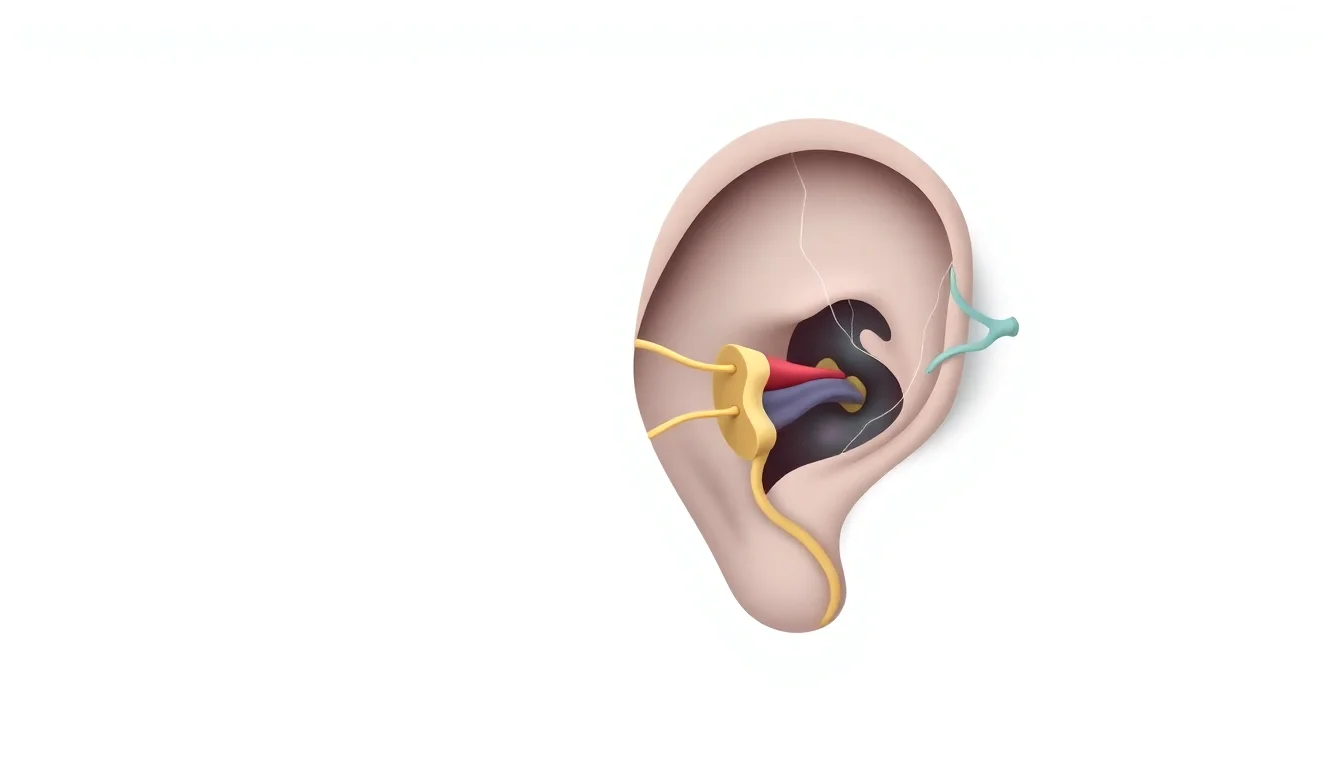
The inner ear is a intricate structure responsible for balance, equilibrium, and hearing, comprising the cochlea, vestibule, and semicircular canals. The cochlea, a spiral-shaped organ, converts sound vibrations into electrical signals transmitted to the brain, while the vestibule and semicircular canals, filled with a fluid called endolymph, detect changes in head position and movement. Damage to the inner ear can result in conditions such as vertigo, tinnitus, and hearing loss, affecting over 360 million people worldwide, with 32 million children and 328 million adults suffering from disabling hearing loss, according to the World Health Organization (2019). Researchers like Dr. David Furness have made significant contributions to the understanding of inner ear anatomy, with studies published in the Journal of the Association for Research in Otolaryngology (2015). The inner ear's complex structure has also been the subject of controversy, with debates surrounding the use of cochlear implants and their potential impact on the deaf community. As our understanding of inner ear anatomy continues to evolve, new treatments and technologies are being developed to address related disorders and improve the lives of those affected.
📍 Introduction to Inner Ear Anatomy
The inner ear anatomy is a complex and fascinating system that plays a crucial role in our balance, hearing, and overall sense of spatial awareness. As we explore the human anatomy, it's essential to understand the intricate structures that make up the inner ear. The inner ear is comprised of the cochlea, vestibular system, and the auditory nerve. These components work together to detect sound waves, maintain balance, and transmit signals to the brain. For those interested in otolaryngology, the study of ear, nose, and throat disorders, understanding inner ear anatomy is vital. Researchers and medical professionals can explore the inner ear anatomy in depth to better comprehend its functions and related conditions.
👂 Structure and Function
The structure and function of the inner ear are closely related to its ability to detect sound waves and maintain balance. The cochlea is responsible for converting sound waves into electrical signals, which are then transmitted to the brain via the auditory nerve. The vestibular system, on the other hand, is composed of the otolith organs and the semicircular canals, which work together to detect changes in head position and movement. This complex system is essential for our sense of balance and spatial awareness, and is closely related to the vestibular system disorders. As we explore the balance and equilibrium, it's clear that the inner ear plays a critical role in our overall sense of well-being.
🔍 Location and Access
The inner ear is located deep within the temporal bone, which is one of the most complex bones in the human body. The temporal bone houses the middle ear and the inner ear, and is connected to the Eustachian tube, which regulates air pressure in the ear. To access the inner ear, medical professionals must navigate the complex anatomy of the temporal bone, which can be challenging. However, with the help of advanced imaging techniques such as magnetic resonance imaging (MRI), it's possible to visualize the inner ear and diagnose related conditions. For those interested in radiology, understanding the inner ear anatomy is essential for accurate diagnosis and treatment.
💡 Key Components
The key components of the inner ear include the cochlea, vestibular system, and the auditory nerve. The cochlea is a spiral-shaped structure that converts sound waves into electrical signals, while the vestibular system is responsible for detecting changes in head position and movement. The auditory nerve transmits these signals to the brain, where they are interpreted as sound. Other important components of the inner ear include the otolith organs and the semicircular canals, which work together to maintain balance and spatial awareness. As we explore the hearing and hearing loss, it's clear that the inner ear plays a critical role in our ability to perceive sound.
📊 Comparison with Other Senses
In comparison to other senses, the inner ear is unique in its ability to detect sound waves and maintain balance. The visual system, for example, is responsible for detecting light and color, while the olfactory system is responsible for detecting smells. However, the inner ear is closely related to the vestibular system, which is responsible for detecting changes in head position and movement. This complex system is essential for our sense of balance and spatial awareness, and is closely related to the balance and equilibrium. As we explore the sensory systems, it's clear that the inner ear plays a critical role in our overall sense of well-being.
🏥 Medical Significance
The medical significance of the inner ear cannot be overstated. The inner ear plays a critical role in our balance, hearing, and overall sense of spatial awareness, and is closely related to the vestibular system. Damage to the inner ear can cause a range of symptoms, including vertigo, dizziness, and hearing loss, and can have a significant impact on quality of life. Medical professionals can explore the inner ear anatomy in depth to better comprehend its functions and related conditions. As we explore the hearing and hearing loss, it's clear that the inner ear plays a critical role in our ability to perceive sound.
🔬 Research and Studies
Research and studies on the inner ear have led to a greater understanding of its complex anatomy and function. Advanced imaging techniques such as magnetic resonance imaging (MRI) have allowed medical professionals to visualize the inner ear and diagnose related conditions. Additionally, studies on the vestibular system have shed light on its role in maintaining balance and spatial awareness. For those interested in neuroscience, understanding inner ear anatomy is essential for advancing our knowledge of the human brain and nervous system. As we explore the brain and nervous system, it's clear that the inner ear plays a critical role in our overall sense of well-being.
📚 Educational Resources
There are many educational resources available for those interested in learning more about inner ear anatomy. Medical professionals can explore the inner ear anatomy in depth through online courses and tutorials, while students can learn about the inner ear through interactive diagrams and models. Additionally, there are many online resources available for those affected by inner ear disorders, including Meniere's disease and benign paroxysmal positional vertigo (BPPV). For those interested in otolaryngology, understanding inner ear anatomy is vital for accurate diagnosis and treatment.
👨⚕️ Expert Insights
Expert insights into inner ear anatomy can provide valuable information for medical professionals and researchers. By studying the complex anatomy of the inner ear, experts can gain a deeper understanding of its function and related conditions. Additionally, experts can provide guidance on diagnosis and treatment options for inner ear disorders, including Meniere's disease and labyrinthitis. For those interested in neuroscience, understanding inner ear anatomy is essential for advancing our knowledge of the human brain and nervous system. As we explore the brain and nervous system, it's clear that the inner ear plays a critical role in our overall sense of well-being.
🤔 Controversies and Debates
There are several controversies and debates surrounding inner ear anatomy, including the role of the vestibular system in maintaining balance and spatial awareness. Some researchers argue that the vestibular system plays a critical role in our sense of balance, while others argue that it is less important. Additionally, there is ongoing debate about the best treatment options for inner ear disorders, including Meniere's disease and benign paroxysmal positional vertigo (BPPV). For those interested in otolaryngology, understanding inner ear anatomy is vital for accurate diagnosis and treatment.
📝 Conclusion and Next Steps
In conclusion, the inner ear anatomy is a complex and fascinating system that plays a critical role in our balance, hearing, and overall sense of spatial awareness. By understanding the intricate structures that make up the inner ear, medical professionals and researchers can gain a deeper understanding of its function and related conditions. To get started, explore the inner ear anatomy in depth through online courses and tutorials, and learn about the latest research and studies on the topic. For those interested in neuroscience or otolaryngology, understanding inner ear anatomy is essential for advancing our knowledge of the human brain and nervous system.
Key Facts
- Year
- 2019
- Origin
- Human Body
- Category
- Human Anatomy
- Type
- Anatomical Structure
Frequently Asked Questions
What is the function of the inner ear?
The inner ear is responsible for detecting sound waves and maintaining balance and spatial awareness. It is composed of the cochlea, vestibular system, and the auditory nerve, which work together to detect sound waves and transmit signals to the brain. The inner ear plays a critical role in our overall sense of well-being, and is closely related to the vestibular system and the visual system.
What are some common inner ear disorders?
Some common inner ear disorders include Meniere's disease, benign paroxysmal positional vertigo (BPPV), and labyrinthitis. These conditions can cause symptoms such as vertigo, dizziness, and hearing loss, and can have a significant impact on quality of life. Medical professionals can explore the inner ear disorders in depth to better comprehend their causes and treatment options.
How is the inner ear accessed for medical procedures?
The inner ear is located deep within the temporal bone, which is one of the most complex bones in the human body. To access the inner ear, medical professionals must navigate the complex anatomy of the temporal bone, which can be challenging. However, with the help of advanced imaging techniques such as magnetic resonance imaging (MRI), it's possible to visualize the inner ear and diagnose related conditions.
What are some educational resources available for learning about inner ear anatomy?
There are many educational resources available for those interested in learning more about inner ear anatomy. Medical professionals can explore the inner ear anatomy in depth through online courses and tutorials, while students can learn about the inner ear through interactive diagrams and models. Additionally, there are many online resources available for those affected by inner ear disorders, including Meniere's disease and benign paroxysmal positional vertigo (BPPV).
What are some expert insights into inner ear anatomy?
Expert insights into inner ear anatomy can provide valuable information for medical professionals and researchers. By studying the complex anatomy of the inner ear, experts can gain a deeper understanding of its function and related conditions. Additionally, experts can provide guidance on diagnosis and treatment options for inner ear disorders, including Meniere's disease and labyrinthitis.
What are some controversies and debates surrounding inner ear anatomy?
There are several controversies and debates surrounding inner ear anatomy, including the role of the vestibular system in maintaining balance and spatial awareness. Some researchers argue that the vestibular system plays a critical role in our sense of balance, while others argue that it is less important. Additionally, there is ongoing debate about the best treatment options for inner ear disorders, including Meniere's disease and benign paroxysmal positional vertigo (BPPV).
How can I get started learning about inner ear anatomy?
To get started, explore the inner ear anatomy in depth through online courses and tutorials, and learn about the latest research and studies on the topic. Additionally, consider consulting with a medical professional or expert in the field of otolaryngology or neuroscience.