
Contents
Overview
Joachim Murat, a flamboyant figure of the Napoleonic era, rose from humble origins to become one of Napoleon Bonaparte's most celebrated Marshals and later King of Naples. Renowned for his audacious cavalry charges and flamboyant style, Murat's military career was marked by both brilliant victories and strategic missteps. His personal ambition and complex relationship with Napoleon ultimately led to his downfall. Understanding Murat requires examining his military prowess, his political maneuvering, and the enduring mythos of the Napoleonic legend.
👑 Who Was Joachim Murat?
Joachim Murat, often dubbed the "Dandy of the Battlefield," was a French cavalry commander and one of Napoleon's most flamboyant marshals. Born in 1767 to humble innkeeper parents in La Bastide-Fortunière, his meteoric rise from commoner to King of Naples (1808-1815) is a testament to the tumultuous era of the French Revolution and the Napoleonic Wars. Murat embodied the era's blend of ambition, military prowess, and sheer audacity, making him a figure of enduring fascination for historians and enthusiasts alike.
⚡ Vibe Score & Controversy Spectrum
Murat’s Vibe Score hovers around a dynamic 78/100, reflecting his significant cultural impact as a symbol of Napoleonic glory and daring. However, his Controversy Spectrum is firmly in the high-contention zone (85%), primarily due to debates surrounding his strategic acumen versus his impulsive battlefield decisions and his often-brutal governance in Naples. His legacy is a complex mix of admiration for his battlefield charisma and criticism for his political missteps and perceived disloyalty.
⚔️ Military Genius or Reckless Gambler?
The debate over Murat's military genius is fierce. Supporters point to his unparalleled skill in leading cavalry charges, most famously at the Battle of Jena-Auerstedt (1806), where his decisive action broke enemy lines. His ability to inspire troops with his personal bravery and flamboyant style is undeniable. Skeptics, however, highlight instances like the disastrous invasion of Russia (1812), where his tactical decisions are often seen as overly aggressive and poorly coordinated, leading to immense losses. This tension between tactical brilliance and strategic oversight defines much of the analysis of his military career.
💰 King of Naples: A Brief Reign
As King of Naples, Murat attempted to implement reforms, including the abolition of feudalism and the introduction of a more modern legal code. He also engaged in naval warfare against the British and sought to bolster Neapolitan industry. However, his reign was largely dependent on Napoleon's fortunes, and his attempts to assert Neapolitan independence often clashed with the Emperor's imperial ambitions. His rule was marked by a struggle to balance his royal duties with his ingrained military identity, a challenge that ultimately proved insurmountable.
🐎 The Dandy of the Battlefield
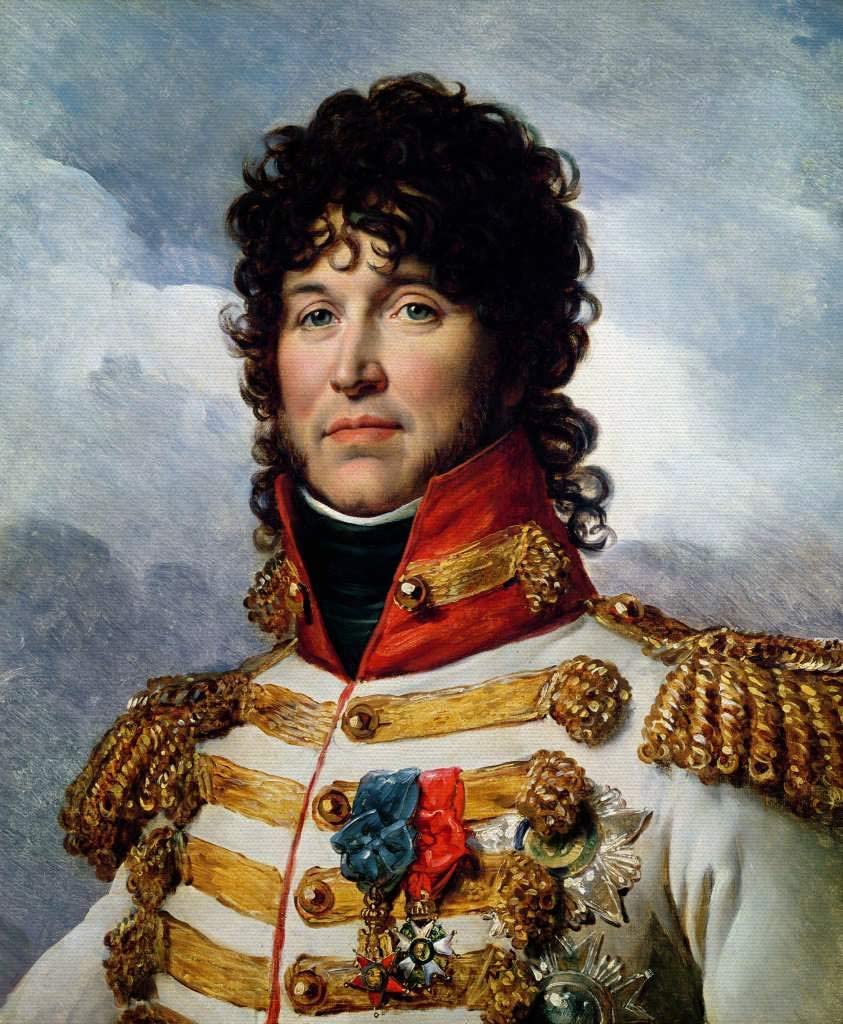
Murat's personal style was as legendary as his battlefield exploits. He was renowned for his elaborate uniforms, often adorned with plumes, gold braid, and brightly colored sashes, which made him an unmissable figure in the midst of battle. This ostentatious display was not mere vanity; it was a deliberate tactic to boost morale and project an image of invincibility. His horses were equally well-appointed, further cementing his image as the ultimate cavalry dandy. This unique blend of fashion and ferocity set him apart from his contemporaries.
💔 Downfall and Execution
Murat's downfall was as dramatic as his rise. After Napoleon's initial defeat in 1814, Murat attempted to secure his Neapolitan throne by switching allegiances, a move that ultimately failed to win him lasting favor with either the French or the Allied powers. During Napoleon's Hundred Days in 1815, Murat rashly declared war on Austria, hoping to rally Italian support for Napoleon, but was quickly defeated. He was captured in Sicily and, despite pleas for clemency, was executed by firing squad in Pizzo, Calabria, on October 13, 1815, bringing a swift and brutal end to his extraordinary life.
💡 Key Takeaways for the Curious
For those exploring the Napoleonic era, understanding Joachim Murat is crucial. He represents the pinnacle of military ambition and the inherent risks of loyalty in a rapidly shifting political landscape. His life offers a compelling case study in leadership, charisma, and the often-blurry line between heroism and hubris. Examining his career provides insight into the operational dynamics of early 19th-century warfare and the complex personalities that shaped European history.
🗺️ Where to Learn More
To delve deeper into the life and times of Joachim Murat, consult biographies such as Jean-Marc Hovasse's "Murat: Le Roi des braves" or explore academic journals focusing on the Napoleonic period. The Musée de l'Armée in Paris may hold relevant artifacts, and historical archives in Naples offer insights into his reign. Online resources like Wikipedia provide a foundational overview, while specialized military history forums can offer more in-depth discussions among enthusiasts and scholars.
Key Facts
- Year
- 1767
- Origin
- Labastide-Fortunière, France
- Category
- Historical Figures
- Type
- Person
Frequently Asked Questions
Was Joachim Murat related to Napoleon Bonaparte?
Joachim Murat was not directly related to Napoleon Bonaparte by blood. However, his connection to Napoleon became exceptionally close through marriage. Murat married Caroline Bonaparte, Napoleon's youngest sister, in 1800. This familial tie was instrumental in his rapid ascent through the military ranks and his eventual elevation to kingship.
What was Murat's most famous military achievement?
Murat is often celebrated for his leadership of the cavalry charges during the Battle of Jena-Auerstedt in 1806. His aggressive and timely deployment of French cavalry is widely credited with shattering the Prussian lines and securing a decisive victory for Napoleon. This battle exemplifies his renowned skill in commanding mounted troops.
Why did Murat become King of Naples?
Napoleon appointed Murat as King of Naples in 1808, replacing Joseph Bonaparte. This was part of Napoleon's strategy to place his family members and loyal marshals on the thrones of conquered European states to consolidate his empire. Murat's marriage to Caroline Bonaparte also played a significant role in this decision.
What was the significance of Murat's flamboyant uniforms?
Murat's elaborate and colorful uniforms were more than just a fashion statement; they were a deliberate tool of warfare and propaganda. They served to boost the morale of his troops, project an image of invincibility and daring, and make him a highly visible target and rallying point on the battlefield. His distinctive style made him instantly recognizable.
What led to Murat's execution?
Following Napoleon's initial downfall in 1814, Murat attempted to preserve his throne by switching allegiances, a move that backfired. During Napoleon's Hundred Days in 1815, Murat made a rash decision to declare war on Austria independently, hoping to spark an Italian uprising. This ill-fated gamble led to his swift defeat, capture, and subsequent execution by firing squad in Pizzo.
How is Murat remembered today?
Joachim Murat is remembered as one of Napoleon's most charismatic and daring marshals, a master of cavalry warfare, and a figure who embodied the ambition and spectacle of the Napoleonic era. While admired for his battlefield courage and flamboyant style, his strategic judgment and political maneuvering are often subjects of historical debate.