
Contents
- 📍 Location & Access: The Grandeur of Thebes
- ⏰ Hours & Best Times to Visit: Beat the Crowds
- 💰 Pricing & Tickets: Planning Your Expedition
- 🏛️ What to See: A Labyrinth of History
- 🚶♂️ Navigating Karnak: A Guide for First-Timers
- 📸 Photography Tips: Capturing Ancient Majesty
- 🍽️ Nearby Amenities: Refuel and Recharge
- ⭐ What People Say: The Vibe of Karnak
- 🆚 Karnak vs. Luxor Temple: Which to Choose?
- 💡 Practical Tips for Your Visit
- 🚀 Getting There: Your Journey to Ancient Egypt
- 📞 Contact & Further Information
- Frequently Asked Questions
- Related Topics
Overview
The Temple of Karnak, located in Luxor, Egypt, is one of the largest religious complexes ever constructed, dedicated primarily to the Theban triad of Amun, Mut, and Khonsu. Spanning over 2,000 years of construction, it showcases the architectural prowess of ancient Egyptians, featuring massive columns, towering obelisks, and intricate hieroglyphs. The site reflects the political and religious evolution of ancient Egypt, with each pharaoh contributing to its expansion. Today, it stands as a UNESCO World Heritage Site, drawing millions of visitors annually who are captivated by its grandeur and historical significance.
📍 Location & Access: The Grandeur of Thebes
The Karnak isn't just a temple; it's a sprawling religious complex on the east bank of the Nile River in Luxor, ancient Thebes. Think of it as an ancient city dedicated to the gods, primarily Amun-Ra, the king of the gods. Its sheer scale is breathtaking, covering over 200 acres, making it the largest religious building ever constructed. Access is straightforward, typically via taxi or tour bus from Luxor city center. Be prepared for a significant amount of walking; comfortable shoes are non-negotiable for exploring this vast archaeological wonder.
⏰ Hours & Best Times to Visit: Beat the Crowds
Karnak is generally open daily from around 6:00 AM to 5:00 PM, though hours can shift slightly with the seasons. To truly appreciate its monumental scale without the crushing crowds, aim for an early morning visit, ideally right at opening. The golden light of sunrise illuminating the colossal statues and obelisks is a sight that transcends time. Late afternoon also offers softer light and fewer visitors, but be mindful of the closing time to avoid being rushed through this incredible site.
💰 Pricing & Tickets: Planning Your Expedition
Entry to the Karnak Temple Complex typically requires a ticket, which can be purchased at the entrance. Prices can fluctuate, but expect to pay around 100-150 EGP for foreign adults (as of recent reports, always check current rates). Combination tickets that include other Luxor sites like Valley of the Kings or Luxor Temple might offer better value if you plan an extensive exploration of the region. Hiring a licensed guide at the entrance is an additional cost but highly recommended for understanding the complex history.
🏛️ What to See: A Labyrinth of History
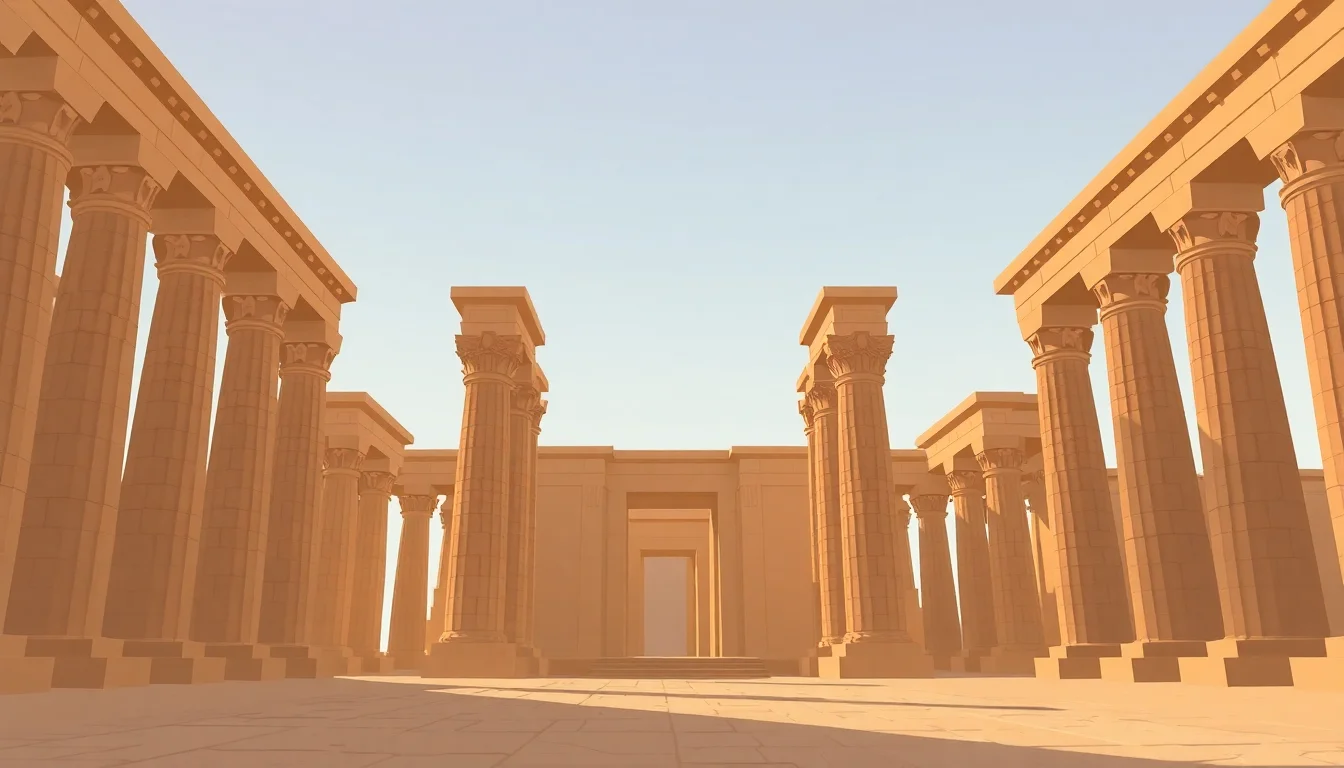
The heart of Karnak is the Great Hypostyle Hall, a forest of 134 massive sandstone columns, each intricately carved with hieroglyphs. Beyond this, explore the sacred lake, the Karnak Open Air Museum showcasing reconstructed chapels, and the various pylons and courtyards dedicated to different pharaohs and deities. Don't miss the colossal statues of Ramesses II and the obelisks, including Hatshepsut's Obelisk, which once stood as the tallest in the world. Each corner reveals a new layer of Egyptian history and religious devotion.
📸 Photography Tips: Capturing Ancient Majesty
Capturing the grandeur of Karnak requires a bit of strategy. Early morning or late afternoon light provides the most dramatic shadows and warm tones, ideal for highlighting the colossal scale of the structures. Wide-angle lenses are essential for fitting the massive columns and pylons into your frame. Look for details: intricate hieroglyphs, weathered statues, and the interplay of light and shadow. Remember that tripods may be restricted in certain areas, so be prepared to shoot handheld or use higher ISO settings.
🍽️ Nearby Amenities: Refuel and Recharge
Within easy walking distance or a short taxi ride from Karnak, you'll find numerous local eateries and cafes offering everything from quick snacks to full Egyptian meals. Many hotels in the Luxor area also have restaurants open to the public. Look for places serving traditional dishes like koshary or grilled meats. Staying hydrated is crucial, especially during warmer months, so picking up water bottles from local shops is a good idea before or after your visit.
⭐ What People Say: The Vibe of Karnak
The vibe at Karnak is overwhelmingly one of awe and historical immersion. Visitors consistently praise its immense scale and the intricate details of the carvings. Many describe feeling humbled by the sheer age and architectural prowess on display. While some note the heat and crowds, the consensus is that Karnak is an unmissable experience for anyone interested in ancient history. Its Vibe Score often hovers around 90/100 for historical significance and visual impact.
🆚 Karnak vs. Luxor Temple: Which to Choose?
While both are essential Luxor experiences, Karnak is significantly larger and more sprawling, offering a deeper dive into religious architecture over centuries. Luxor Temple, located in the city center, is more compact, beautifully illuminated at night, and focuses more on royal ceremonies. If time is limited, Luxor Temple might be more manageable. For a comprehensive understanding of ancient Egyptian religious life and monumental building, Karnak is unparalleled. Many visitors opt for both to get a complete picture.
💡 Practical Tips for Your Visit
Wear light, breathable clothing and a hat to protect yourself from the sun. Comfortable walking shoes are a must. Bring plenty of water, especially during the summer months (May-September). Consider visiting with a licensed guide to unlock the full historical narrative. If you're on a budget, exploring independently is feasible, but be prepared to do your own research beforehand. Allow at least 3-4 hours to explore the main areas adequately.
🚀 Getting There: Your Journey to Ancient Egypt
Karnak is situated on the east bank of the Nile in Luxor. The most common way to reach it is by taxi from Luxor city or your hotel. Many organized tours from Hurghada or Sharm El Sheikh also include Karnak as part of a day trip, though these can be long travel days. If you're staying on the west bank, you'll need to take a ferry or a boat across the Nile to Luxor city before heading to the temple complex.
📞 Contact & Further Information
The official website for Egyptian antiquities may provide the most up-to-date information on hours and ticket prices, though direct contact can be challenging. For guided tours, numerous reputable operators are available in Luxor. Your hotel concierge can also assist with booking transportation and tours. Checking recent travel blogs and forums can offer current visitor experiences and practical advice.
Key Facts
- Year
- 2050
- Origin
- Ancient Egypt
- Category
- Historical Sites
- Type
- Cultural Landmark
Frequently Asked Questions
How long does it take to visit the Temple of Karnak?
To truly appreciate the scale and detail of the Karnak Temple Complex, allocate at least 3 to 4 hours for your visit. If you opt for a guided tour, factor in an additional hour for the guide's explanations. Many visitors spend half a day exploring the various precincts, pylons, and the Great Hypostyle Hall. Rushing through will diminish the experience, so plan accordingly for a thorough exploration.
Is it worth hiring a guide at Karnak?
Absolutely, hiring a licensed guide is highly recommended, especially for first-time visitors. The sheer size and complexity of Karnak can be overwhelming without context. A guide can illuminate the history, explain the intricate hieroglyphs, point out significant structures, and share fascinating stories about the pharaohs and deities associated with the site. This significantly enhances the understanding and appreciation of the ancient monument.
What is the best time of day to visit Karnak?
The best times to visit are early morning, right at opening (around 6:00 AM), or late afternoon, about 2-3 hours before closing. Early mornings offer cooler temperatures and fewer crowds, allowing for a more serene experience. The soft light of sunrise is also spectacular for photography. Late afternoons provide similar benefits with beautiful lighting, but ensure you have enough time to see everything before the site closes.
Can I take photos inside the Temple of Karnak?
Photography is generally permitted inside the Karnak Temple Complex for personal use. However, tripods are often restricted, especially in crowded areas or within specific structures. Professional photography or videography may require special permits. Always be respectful of other visitors and the historical integrity of the site when taking pictures. Focus on capturing the monumental scale and intricate details.
What should I wear to visit Karnak?
Comfort is key. Wear light, breathable clothing suitable for hot weather, such as cotton or linen. A wide-brimmed hat or scarf is essential for sun protection. Comfortable walking shoes or sturdy sandals are a must, as you'll be doing a lot of walking on uneven surfaces. Sunglasses are also highly recommended. Avoid overly revealing clothing out of respect for the local culture.
Are there facilities like restrooms and water available?
Restroom facilities are available within the Karnak complex, typically near the entrance and exit points. It is strongly advised to bring your own water, especially during warmer months, as purchasing it inside can be more expensive. Many small shops and vendors are located just outside the temple complex where you can buy water and snacks.