
Contents
- 🌍 What Are Traditional Birth Attendants (TBAs)?
- 📍 Where Do TBAs Operate?
- 🗓️ When to Consider a TBA
- 💰 Cost & Accessibility
- ⚖️ TBAs vs. Modern Midwifery: A Comparison
- 🌟 Cultural Significance & Vibe Score
- ⚠️ Risks & Controversies
- 💡 Practical Tips for Engaging with TBAs
- 🤝 How to Connect with TBAs
- 📈 The Future of Traditional Birth Practices
- Frequently Asked Questions
- Related Topics
Overview
Traditional Birth Attendants (TBAs) are individuals, often women, who possess deep knowledge and skills in assisting with childbirth, passed down through generations within specific cultural contexts. While modern medicine has advanced significantly, TBAs remain vital in many communities, particularly in rural and underserved areas, offering culturally sensitive care and support. Their practices, deeply rooted in local traditions and beliefs, can range from herbal remedies to specific birthing positions and rituals. However, the role of TBAs is complex, marked by ongoing debates about safety, integration with formal healthcare systems, and their evolving place in a globalized world. Understanding TBAs requires acknowledging their historical significance, their current impact, and the challenges they face in adapting to contemporary healthcare standards while preserving their cultural essence.
🌍 What Are Traditional Birth Attendants (TBAs)?
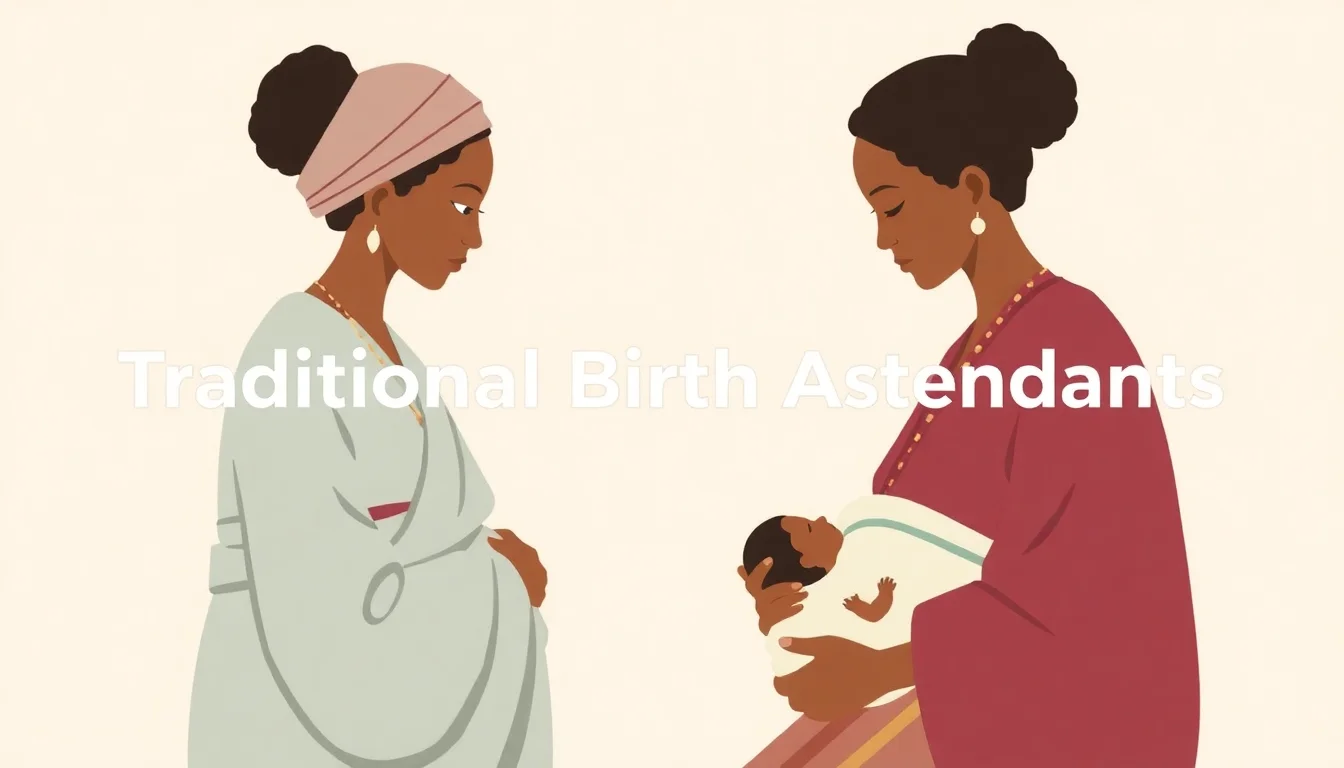
Traditional Birth Attendants (TBAs), often referred to as traditional midwives, birth keepers, or elders, are individuals, predominantly women, who possess extensive knowledge and skills in assisting with childbirth, passed down through generations via oral tradition and apprenticeship. They are not formally trained in Western medical institutions but are deeply embedded within their communities, offering care that often encompasses not just the physical act of birth but also emotional, spiritual, and social support. Their practices are rooted in local customs, herbal remedies, and a profound understanding of the female body and the birthing process, making them a vital part of maternal healthcare in many parts of the world.
📍 Where Do TBAs Operate?
TBAs are most prevalent in rural and remote areas across Sub-Saharan Africa, Southeast Asia, and parts of Latin America, where access to formal healthcare facilities and trained medical professionals is limited. Their services are often sought within villages and smaller communities, operating from homes or designated community spaces rather than sterile clinics. While their presence is strongest in developing nations, pockets of traditional birth practices can also be found in indigenous communities within developed countries, maintaining a connection to ancestral birthing methods.
🗓️ When to Consider a TBA
Engaging a TBA is typically considered when conventional medical services are inaccessible, too costly, or when a family prefers a more culturally aligned and community-based birthing experience. They are often the first point of contact for pregnant individuals in regions where skilled birth attendants are scarce. It's crucial to understand that while TBAs offer invaluable support, their role is increasingly being examined in light of modern obstetric safety standards.
💰 Cost & Accessibility
The cost of engaging a TBA is generally significantly lower than that of a hospital birth or even a modern midwife in many contexts. Payment might not always be monetary; it can involve bartering, community contributions, or simply a gift of gratitude. This accessibility makes them a crucial resource for low-income populations. However, this affordability can sometimes mask the potential for higher perinatal mortality rates if complications arise that require advanced medical intervention.
⚖️ TBAs vs. Modern Midwifery: A Comparison
Compared to modern midwives, TBAs offer a more holistic, culturally embedded, and often less interventionist approach. Modern midwives, while also focused on natural birth, are trained in Western medical protocols and equipped to manage a wider range of complications. The key difference lies in the scope of practice and the underlying medical framework. While TBAs excel in normal, low-risk births within their cultural context, modern midwives are equipped for a broader spectrum of obstetric scenarios and have access to advanced medical technologies.
🌟 Cultural Significance & Vibe Score
The cultural significance of TBAs is immense, often holding a Vibe Score of 80-90 in communities where they are revered. They are seen as wisdom keepers, healers, and essential pillars of community health, embodying ancestral knowledge and spiritual connection to birth. Their presence ensures that birth remains a sacred, community-supported event, deeply interwoven with local traditions and beliefs, fostering a sense of continuity and belonging. This deep cultural resonance is a powerful counterpoint to the often clinical and impersonal nature of modern healthcare.
⚠️ Risks & Controversies
The primary controversy surrounding TBAs centers on maternal and infant mortality rates. While many births attended by TBAs are safe, they may lack the training and equipment to manage obstetric emergencies like postpartum hemorrhage or severe pre-eclampsia, leading to preventable deaths. International health organizations like the World Health Organization (WHO) have historically advocated for the phasing out of TBAs in favor of skilled birth attendants, though this stance has evolved to recognize the need for collaboration and integration where appropriate.
💡 Practical Tips for Engaging with TBAs
When considering a TBA, it's vital to have open conversations about their experience, the types of births they typically attend, and their understanding of when to refer to a medical facility. Researching the local context and understanding the prevalence of skilled birth attendance in your area is crucial. If you are in a region where TBAs are the primary option, seeking out those who have established referral relationships with nearby clinics can significantly enhance safety.
🤝 How to Connect with TBAs
Connecting with TBAs often involves direct community engagement. In many regions, they are well-known figures, and introductions can be made through local leaders, community health workers, or other women who have previously used their services. For those interested in supporting or learning from TBAs, engaging with non-governmental organizations (NGOs) working in maternal health in specific regions can provide pathways for respectful collaboration and understanding, rather than imposing external models.
📈 The Future of Traditional Birth Practices
The future of traditional birth practices is a complex interplay between preservation and integration. While the global push for universal health coverage emphasizes skilled birth attendance, there's a growing recognition of the value TBAs bring in terms of cultural continuity and community trust. Initiatives are emerging that focus on training TBAs in basic emergency obstetric care and establishing clear referral pathways, aiming to harness their community presence while mitigating risks. The challenge lies in finding a balance that respects tradition without compromising safety.
Key Facts
- Year
- Prehistoric - Present
- Origin
- Global, with distinct regional variations
- Category
- Healthcare & Social Practices
- Type
- Concept/Role
Frequently Asked Questions
Are TBAs trained in modern medicine?
No, TBAs are not formally trained in Western medical institutions. Their knowledge is acquired through generations of apprenticeship and oral tradition, focusing on local practices and herbal remedies. While they possess deep practical wisdom for normal births, they may lack the specific training and equipment to manage complex obstetric emergencies that require advanced medical intervention.
What are the main risks associated with TBA-assisted births?
The primary risks stem from the potential inability to manage obstetric emergencies such as severe bleeding (hemorrhage), prolonged labor, or infections. Without access to advanced medical equipment, medications, or surgical capabilities, complications that are manageable in a hospital setting can become life-threatening for both mother and baby.
How do TBAs differ from modern midwives?
Modern midwives are trained and certified within formal healthcare systems, equipped to handle a wider range of medical situations and emergencies. TBAs, while offering culturally sensitive and holistic care, operate outside this formal medical framework. The key distinction lies in the scope of medical knowledge, emergency management capabilities, and access to technology.
Are TBAs still relevant in areas with access to hospitals?
In many communities, TBAs remain relevant due to cultural preferences, accessibility, and cost, even where hospitals exist. They often provide a level of emotional and spiritual support that can be missing in clinical settings. However, health organizations strongly recommend that all births, especially those with any risk factors, occur in facilities with skilled birth attendants.
Can TBAs be integrated into formal healthcare systems?
Yes, integration is a growing area of focus. This often involves training TBAs in essential obstetric and neonatal care, equipping them with basic emergency response skills, and establishing clear referral systems to connect them with nearby health facilities. The goal is to leverage their community trust and presence while ensuring access to higher levels of care when needed.
What is the typical cost of services from a TBA?
The cost is generally very low compared to formal medical care, often involving symbolic payments, gifts, or bartering. This affordability is a major reason for their continued use in low-income regions. However, this low cost should not be mistaken for a lack of value; their services are deeply appreciated for their cultural and community support.